

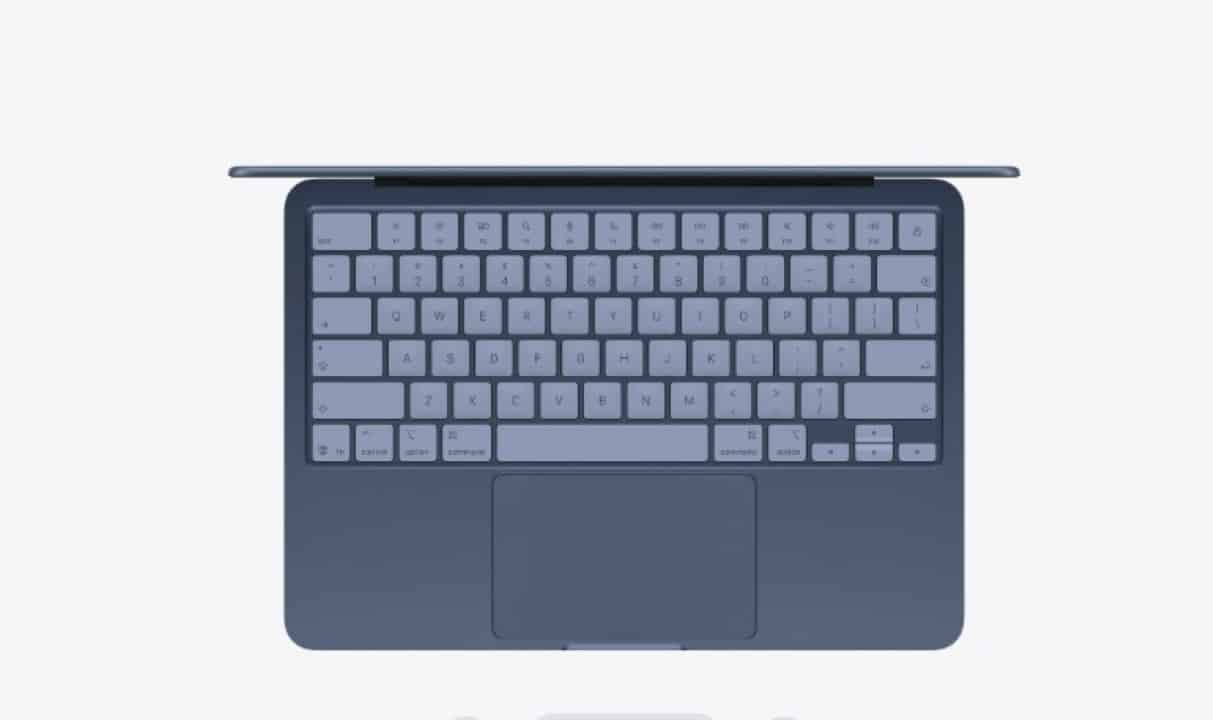
The technology giant based in Cupertino announced the arrival of a new entry-level notebook, sold at US$599, marking a profound change in its assembly line and consumer offering. The device arrives at international retailers equipped with a complete operating system and integrated physical keyboard, features that directly rival the narrative supported by the brand over the last decade. Anteriormente, the manufacturer invested heavily in tablets as the main replacement tool for traditional computers, promoting massive campaigns that questioned the need for a classic laptop format for daily activities.
The introduction of this equipment demonstrates a practical recognition of the real productivity needs of the average user. Estudantes, professionals working remotely and families are looking for solutions that offer fluid multitasking without the need for complex interface adaptations. The new notebook delivers functional physical ports and traditional window management, elements that the system aimed at touch screens has always had extreme difficulty in replicating with the same efficiency and naturalness required by the corporate and academic market.
The strategic move puts the manufacturer on a direct collision course with brands that dominate the low-cost segment, especially those that use cloud-based operating systems or consolidated competing platforms in retail. The decision to offer robust hardware at a significantly more affordable price aims to recover a portion of consumers who had migrated to other alternatives due to the high entry cost of the previous ecosystem, redefining the dispute for preference among the public looking for their first personal computer.
Change in the manufacturer’s product philosophy
For a long period, the company’s official communication tried to convince the public that physical keyboards were dispensable accessories and that touch-only navigation represented the pinnacle of digital modernity. Essa vision resulted in billion-dollar investments in global advertising campaigns that positioned tablets as vastly superior devices in terms of lightness, speed and versatility. However, the reality of everyday use revealed that denser workflows, such as editing complex spreadsheets, basic programming, managing servers or writing long academic documents, required ergonomics and a software structure that only a traditional desktop operating system can provide with stability.
The transition to the new business model brings specific characteristics that directly meet this repressed demand. The main points noted in the new equipment include:
– Integração native high-precision keyboard and trackpad at no additional cost.
– Sistema traditional, visible and highly intuitive file management.
– Compatibilidade unrestricted with productivity software and open source tools.
– Arquitetura processing geared towards continuous stability in heavy multitasking.
This factory configuration eliminates the learning curve required by hybrid or adapted interfaces. The user turns on the device and finds an immediately familiar working environment, ready to perform heavy tasks without the need for tutorials or digital behavior adaptations.
Operating costs and the accessory barrier
The financial viability of tablets as main work tools has always come up against the high price of complementary peripherals. Para transforming a touch screen into a minimally functional workstation, the consumer needed to purchase covers with a built-in keyboard and precision digital pens, items that often exceeded the three hundred dollar mark on the international market, drastically increasing the final package.
This sum of values completely mischaracterized the initial promise of an economical and accessible device for the masses. By launching a complete notebook for a fixed entry price, the manufacturer solves this mathematical equation definitively, delivering the complete hardware package without hidden costs or immediate upgrades to guarantee the basic usability required by any professional or student.
Advantages of the operating system in daily tasks
The software that manages the new notebook was developed and refined over decades with an exclusive focus on desktop productivity. The overlapping of multiple windows, the ease of dragging and dropping heavy files between different directories and the stability of applications running in the background are native features that work organically and without hiccups.
On the other hand, attempts to adapt these same vital functions to the tablet environment resulted in tools that were often confusing, requiring specific gestures on the screen and memorization of unintuitive shortcuts. The artificial complexity alienated less experienced users who just wanted to write simple text while simultaneously consulting a web page or a document in PDF format.
The standardization offered by the classic notebook format ensures that anyone, regardless of their previous technological proficiency, can operate the machine with maximum efficiency from the first minutes of use. Essa Immediate familiarity is a key factor in mass acceptance of the product in homes and offices around the world.
Dispute for space in the educational sector
The school and university environment represents one of the most coveted and strategic markets for technology giants, serving as a vital gateway to the loyalty of future generations of consumers. Inicialmente, tablets were introduced into classrooms with the strong promise of replacing paper notebooks and cumbersome textbooks with a single, interactive, connected screen.
However, managing large fleets of these devices has proven to be an arduous and expensive task for information technology teams at educational institutions. The natural fragility of exposed screens, the constant need to pair unloaded Bluetooth keyboards, and the serious limitations of securely sharing user accounts have created significant logistical bottlenecks for principals and teachers.
Direct competitors took advantage of this huge operational gap by offering cheap notebooks, built with resistant materials and easy technical maintenance, quickly dominating public tenders and private purchases in the education sector. The shell shape naturally protects the screen during transport in backpacks, and the fixed keyboard prevents constant loss, theft and breakage by younger students.
The new bet of five hundred and ninety-nine dollars appears precisely to stop this accelerated loss of commercial territory. The equipment offers the physical durability and typing convenience required by teaching staff, combined with a robust centralized management system that greatly facilitates the routine of school network administrators.
Reaction from the technology sector to the new device
Hardware engineering experts and financial market analysts greeted the announcement with a mix of surprise and validation of long-standing business thesis. The general reading indicates that the manufacturer made an extremely pragmatic decision, setting aside historical corporate pride to meet a real, urgent and quantifiable demand. Fóruns of technical discussion and vehicles specialized in technology highlight that the new notebook inevitably cannibalizes part of the sales of the brand’s own more expensive tablets, but strategically ensures that consumer money remains retained within the same closed ecosystem, instead of definitively migrating to low-cost rival platforms.
The reception of the final public in physical and virtual stores also demonstrates clear financial relief. Pais who needed to buy suitable equipment for their children’s remote school activities can now find an option from a prestigious brand that does not require the mandatory purchase of expensive parallel accessories. The absolute clarity of the value proposition — a traditional portable computer, with a very long battery life, an agile processor and a system immune to most viruses — resonates strongly in a global economic period where the predictability of family expenses and the extended durability of the product are decisive factors for the conversion of sales in electronics retail.
Sales history and portfolio adequacy
A thorough analysis of audited financial reports from the last decade highlights a progressive and worrying stagnation in the commercialization of devices based primarily on touch navigation. Após a booming initial adoption spike and a brief but intense sales boom during periods of global social isolation, revenue graphs showed a severe flattening of the demand curve. Consumers began to voluntarily extend the replacement cycle of their portable devices, clearly realizing that annual hardware updates brought very few practical innovations that would justify a new high-value investment for everyday life. The product line became excessively fragmented, with dozens of screen size options, storage capacities and processor generations that only confused the buyer at the crucial moment of in-store decision making. Diante In this evident saturation scenario, the introduction of an entry-level notebook with an aggressive price acts as a powerful catalyst for new corporate revenues. The manufacturer intelligently reorganizes its shelves, establishing much clearer and more defined boundaries between what is a device primarily aimed at media consumption, reading and quick entertainment, and what is a tool dedicated to the production of complex and labor-intensive content, thus optimizing its entire complex global supply chain and its strategic marketing direction.
Assembly line directions and future innovations
The commercially aggressive return to the classic portable computer format sets immediate precedents for educated speculation about the company’s next engineering development steps. The adoption of technologies and formats previously publicly discarded by senior management suggests a new phase of flexibility in product design, indicating that strict adaptation to the practical and financial demands of the consumer market now largely surpasses the maintenance of aesthetic dogmas established in the company’s past.