
Apple launches smartphone with a thickness of 5.5 millimeters and new protective liquid glass technology
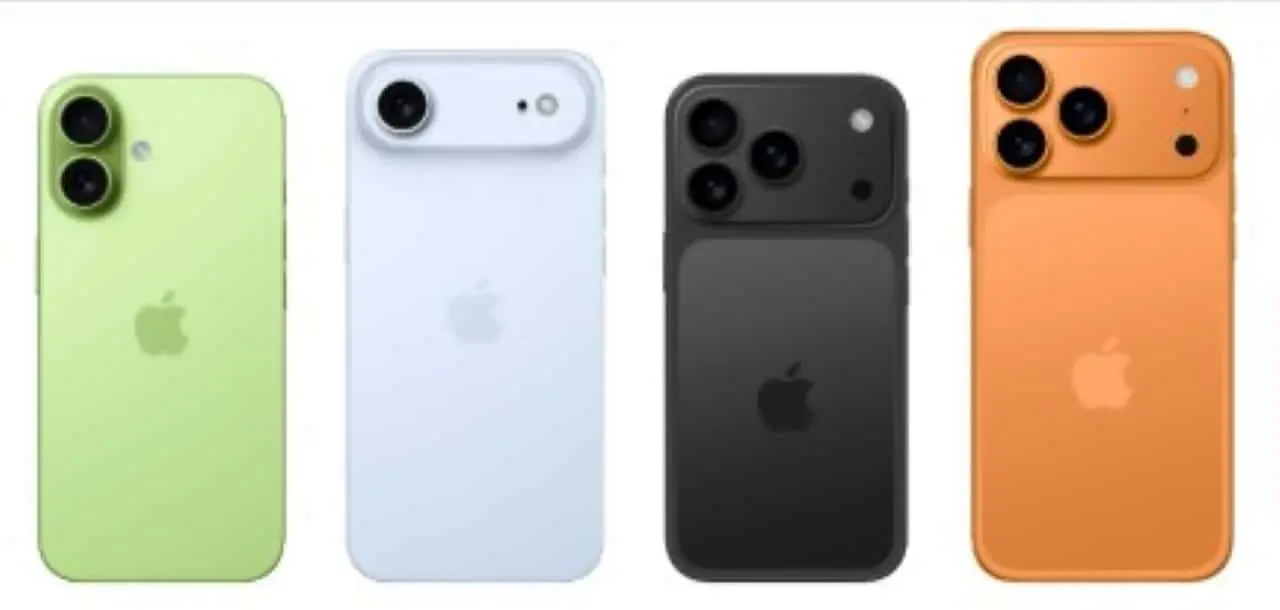
The North American electronics manufacturer officially presented its latest mobile device, focused on an ultra-lightweight design and advanced hardware specifications. The new smartphone introduces significant structural changes to the company’s product line, highlighting the extreme reduction in physical dimensions and the incorporation of new materials in the construction of the chassis. Engenheiros of the company worked on the complete redesign of the internal components to accommodate the new architecture without compromising data processing. A principal alteração visual encontra-se na espessura do aparelho, que atinge a marca exata de 5,5 milímetros, estabelecendo um novo padrão de engenharia para a categoria de dispositivos premium da marca no mercado global.
Structural engineering and chassis construction materials
The external structure of the device uses an aerospace-grade titanium alloy, a material chosen for its high ratio of mechanical strength to physical weight. Essa technical decision allowed the developers to thin the side edges and reduce the total weight of the equipment, while maintaining the structural integrity necessary to withstand the pressure of daily use. The manufacturing process involves computerized precision machining to create a unique frame that surrounds the entire logic board and power transmission components. Assembly requires microscopic tolerances to ensure that the parts fit together perfectly, avoiding gaps that could compromise the seal against water and dust.
To achieve the reduced thickness, the hardware design team had to rearrange the arrangement of batteries and radio frequency communication modules. The motherboard has been divided into smaller, overlapping sections, connected by high-density flexible cables that span fractions of a millimeter. The physical modifications implemented in the project include reducing the space between the front panel and the light emitters, the use of solid-state components for the side volume and power buttons, the complete removal of the rear camera module protrusion and the integration of the communication antennas directly into the external metal frame.
Liquid glass technology and front panel properties
The smartphone’s front panel introduces a proprietary technology described by engineers as liquid glass, specifically developed to offer superior optical properties and greater resistance against direct physical damage. Este material undergoes a molecular-level crystallization process during the high-temperature manufacturing stage, resulting in a dense surface that minimizes reflections from ambient light and substantially improves readability under direct sunlight. The chemical composition of the glass was changed in the laboratory to absorb mechanical impacts more efficiently, distributing the kinetic force across the entire length of the screen in the event of accidental falls onto rigid surfaces. The OLED display integrated under this protective layer operates with an adaptive refresh rate that reaches up to 120 Hz, adjusting the fluidity of the images according to the content displayed to optimize battery power consumption. The absence of visible borders at the ends maximizes the user’s usable touch area, providing an uninterrupted edge-to-edge viewing experience when playing videos and reading texts.
On the same topic: Apple accelerates production of the iPhone 17e and develops new Air model with dual camera system
Advanced thermal management system
The drastic reduction in the thickness of the device required the creation of an entirely new heat dissipation system to prevent the central processors from overheating. The solution found involves the application of multiple layers of high thermal conductivity graphene, strategically positioned over the components with the greatest energy demand on the main board.
In addition to the use of graphene, the engineering design incorporates an ultra-thin vapor chamber, designed with micrometric precision to spread the heat generated by the central processing unit evenly across the entire length of the titanium rear cover.
This passive cooling mechanism ensures that the device maintains maximum processing performance even when performing continuous tasks that require high computing power, such as rendering three-dimensional graphics or prolonged recording of high-resolution videos.
Local artificial intelligence processing
The internal hardware is controlled by a neural processor dedicated exclusively to executing machine learning algorithms operating directly in the device’s circuits. Esta silicon architecture allows complex software functions to operate autonomously, without the need for constant connection to external cloud servers.
The local execution of computational tasks increases the level of privacy of user data, since personal information does not travel across internet networks when processing voice commands or analyzing images from the gallery. The neural chip has physical cores optimized for matrix math operations.
The core operating system has been rewritten in its code base to take advantage of this dedicated hardware capacity, integrating automated functions in photo editing, text file organization, and real-time audio transcription during recordings.
Read also: Apple’s commemorative project tests cell phone with 1.1 millimeter edge and curved screen for 2027
The response speed of these software tools is significantly greater due to the physical proximity between the neural processor and the random access memory, eliminating the latency common in services that depend on data transmission via mobile networks.
Redesign of the image capture module
The rear camera array has undergone complete optical re-engineering to suit the slim profile of the smartphone’s chassis. The capture lenses now utilize a horizontal periscopic refraction system, eliminating the need for deep vertical space within the device body.
This mechanical change allowed the photographic module to be perfectly aligned with the titanium rear panel, removing the characteristic protrusion of previous generations. The flat design makes it easy to handle on tables and prevents premature wear of the lens edges.
Energy autonomy and consumption efficiency
The device’s battery has been redesigned using high chemical density lithium-ion cells, specifically molded to fill the irregular internal spaces within the ultra-thin chassis. Power management is constantly monitored by dedicated voltage sensors that adjust the delivery of electrical current according to the momentary demand of the running applications.
Network connectivity technical specifications
The smartphone operates with the latest wireless communication standards approved by regulatory agencies, including support for high-speed data networks and short-range routing protocols. The integration of radio antennas into the titanium structure was calibrated in anechoic chambers to avoid electromagnetic interference, ensuring signal stability in dense urban environments.
Understand the case: New Apple system update optimizes urgent task management for iPhone users
The global positioning system uses multiple satellite frequencies to determine the exact location of the device with a margin of error reduced to centimeters. The communications hardware also includes ultra-wideband chips for spatial awareness of other nearby electronic devices.
More news in News (EN)
See more → Samsung releases new system update with new features for Galaxy Watch 4 users
 Digital retail reduces the value of the Galaxy S25 5G smartphone with bank bonuses and device exchange
 Amazon’s wireless CarPlay adapter has a 50% discount and high approval ratings from drivers
 Zach Cregger’s new Resident Evil ignores games and focuses on an unprecedented story with new characters
 Rumor suggests that Nintendo is preparing a special edition of the Switch 2 with a remake of Ocarina of Time
 Apple accelerates production of the iPhone 17e and develops new Air model with dual camera system
 Epic Games platform releases twelve high-budget games at no permanent cost for PC users
 PlayStation 5 Pro price drop accelerates digital retail sales and eliminates global stocks
 New Galaxy Watch 9 firmware appears on server and confirms progress in software development
 Apple’s commemorative project tests cell phone with 1.1 millimeter edge and curved screen for 2027
 New Apple system update optimizes urgent task management for iPhone users
 Leak details hardware of the new portable PlayStation with superior graphics to the Xbox Series S
More news on Mix Vale
- 1Oppo officially launches the Find X9 Ultra worldwide with Hasselblad lenses and robust battery
- 2Tim Cook reveals new iPhone and iPod prototypes in celebration of Apple’s fiftieth anniversary
- 3New edition of foldable smartphone brings gold finish to Winter Games competitors
- 4Android system receives native Gemini Nano 4 integration for offline processing on smartphones
- 5Samsung updates QuickStar module and expands visual control of the panel in the One UI 8.5 interface
- 6Leak reveals Lords of the Fallen and Sword Art Online in April’s PS Plus Essential catalog
- 7New Xiaomi 18 Pro Max smartphone integrates two 200 MP cameras and latest generation processor
- 8Manufacturers update premium smartphone photo sensors with focus on zoom and artificial intelligence
- 9Apple develops new foldable iPhone and prepares special edition to celebrate 20 years of the brand
- 10Manufacturer OPPO confirms official date to reveal new Find X9 Ultra and Pro smartphones with a focus on cameras