

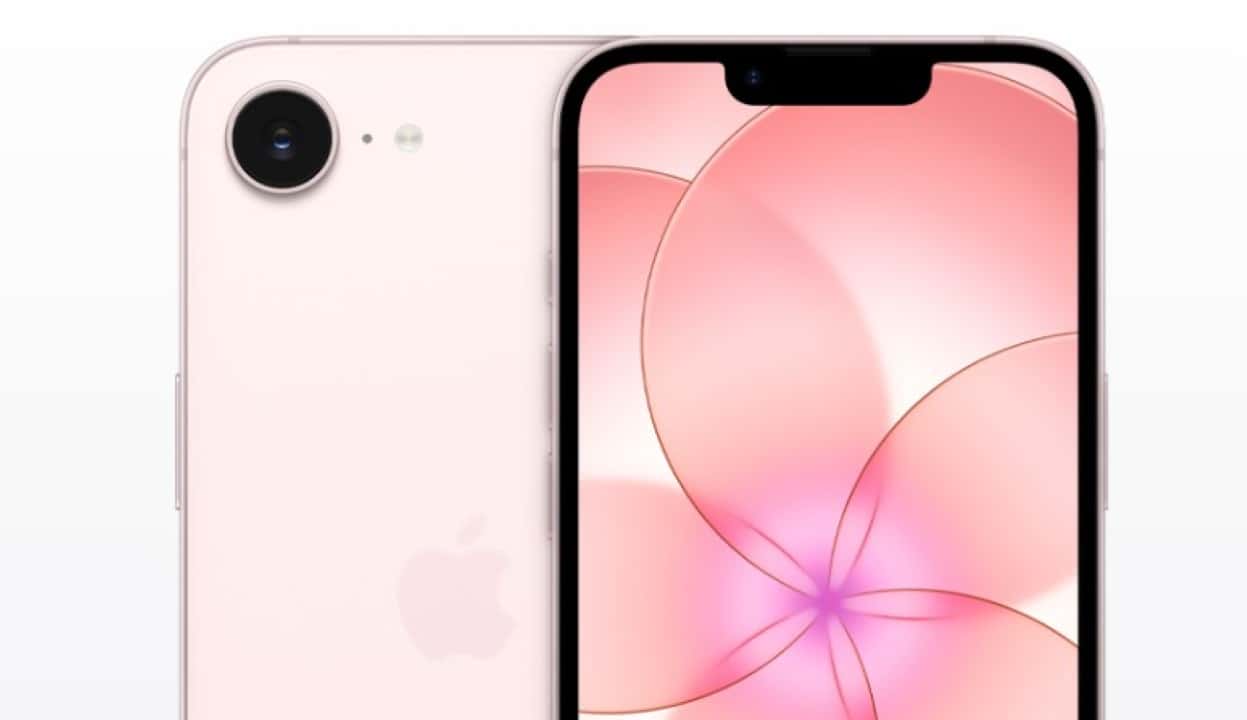
Apple officially launched two new devices for the global technology market, introducing the iPhone 17e smartphone and the new generation of the iPad Air tablet, now equipped with the M4 processor. The announcements mark a restructuring of the company’s portfolio, which seeks to integrate advanced processing capabilities and tools based on machine learning directly into the hardware of its mid-range and premium devices. The strategy aims to meet the growing demand for mobile devices capable of performing complex tasks locally, without relying exclusively on connections to cloud servers.
The North American manufacturer’s move aims to consolidate its presence in highly competitive segments, offering technical specifications that were previously exclusive to the most expensive lines in its catalogues. The main focus of the updates lies on the internal architecture of the devices, developed to support intense workloads, such as media editing and artificial intelligence processing, without compromising energy efficiency or battery life. The standardization of high-performance chips into more affordable models indicates a change in the way the company positions its products at retail.

With the introduction of the A19 chip in the smartphone and the M4 in the tablet, the company sets a new performance standard for application developers and end consumers. The technological transition reflects the industry’s need to provide devices that guarantee greater privacy in daily operations, processing sensitive data directly on the device. Essa approach reduces latency in voice commands and in the execution of predictive algorithms that help users organize their digital routines.
The new devices hit the market with the promise of longevity and prolonged support for operating system updates, features that the brand has emphasized in its recent financial reports to attract users looking to exchange old equipment for more durable models. The industry’s expectation is that the introduction of these technologies will boost the upgrade cycle among consumers who have kept their devices for three years or more.
Screen specifications and design of the new smartphone
The iPhone 17e features a 6.1-inch screen, maintaining the dimensions preferred by a significant portion of consumers seeking one-handed usability. The front panel is protected by second generation Ceramic Shield technology, a material developed to offer greater resistance against accidental drops and superficial scratches resulting from daily use in urban environments.
The structure of the device was designed to align durability and aesthetics, using aerospace-grade materials that favor the dissipation of heat generated by the new processor during demanding tasks. The design follows the company’s consolidated visual identity in recent years, incorporating subtle ergonomic adjustments on the edges to improve grip and comfort when handling the device for a long time.
Camera system and battery life
In the photography department, the mobile device received a substantial upgrade with the inclusion of a 48-megapixel main sensor on the back. Esta high-resolution lens allows the capture of images with a high level of detail and supports recording videos in 4K resolution, serving both ordinary users and digital content creators who demand professional quality in compact formats.
The integration of the camera hardware with the image signal processor built into the A19 chip results in significantly faster computational processing. Isso translates into visible improvements in low-light scenarios, digital noise reduction in night photography, and autofocus accuracy when recording fast-moving subjects or in challenging lighting conditions.
Energy autonomy also received attention from the manufacturer’s engineering, with the device supporting fast charging technology capable of recovering half of the battery’s capacity in approximately 30 minutes when plugged in. The MagSafe magnetic system has been improved to ensure more efficient alignment with protective accessories and wireless charging pads, optimizing power transfer.
A19 processor architecture and efficiency
At the core of iPhone 17e’s performance is the all-new A19 processor, manufactured under a rigorous 3-nanometer lithography process. Esta semiconductor manufacturing technology allows the insertion of billions of transistors in an extremely small physical space, increasing the device’s calculation capacity while reducing the battery’s overall electrical energy consumption.
The central processing unit has been optimized to handle multiple simultaneous tasks fluidly, from basic web browsing to running heavy media editing applications. Operating system stability is consistently maintained even when the user quickly switches between different software platforms or keeps dozens of tabs open in the browser.
For graphics processing, the component integrates a GPU capable of rendering complex three-dimensional environments with high frames per second stability. Jogos Visually demanding electronics, augmented reality applications, and architectural rendering software directly benefit from this improved architecture, delivering detailed visuals without overheating the phone’s chassis.
The on-chip neural engine has been completely redesigned to accelerate machine learning operations at the local level. Isso means that advanced functions such as accurate voice recognition, real-time simultaneous language translation and contextual image analysis occur instantly on the device itself, ensuring speed and security of the owner’s data.
Technical advances in the tablet line
The renewal of the tablet line brings the iPad Air now equipped with the M4 processor, the same silicon component used in the brand’s high-performance portable computers. Esta update represents a speed jump of up to 50% compared to the immediately previous generation and makes the new device up to 2.3 times faster than models based on the old M1 chip. Expanded processing power allows the tablet to run 3D modeling software, high-resolution multi-track video editing, and professional music production with the same efficiency and stability as a traditional desktop workstation.
The internal thermal management of the new iPad The device’s screen offers high color accuracy and improved brightness, features considered essential for professionals in graphic design, photo editing and digital illustration. Full compatibility with advanced peripherals, such as cutting-edge pressure-sensitive stylus pens and magnetic keyboards with integrated trackpad, transforms the device into a versatile productivity tool for the corporate and academic environment.
Software integration and smart tools
The new devices reach the market operating with the latest versions of their respective operating systems, iOS 26 and iPadOS 26, which were developed with a software architecture deeply integrated with the Apple Intelligence resources. Esta suite of tools based on generative artificial intelligence operates at all layers of the system, offering functionalities ranging from automatic rewriting and tone correction of texts in corporate messaging applications to the creation of contextual images based on textual descriptions provided by the user. The software engineering team’s priority in developing these functions was absolute privacy, ensuring that the overwhelming majority of data processing occurs directly on the user’s hardware, isolating personal and sensitive information from external third-party servers. Quando the use of cloud computing is strictly necessary for tasks that require more complex language models, communication is done through end-to-end encryption protocols, where not even the manufacturer has the access keys. The software also introduces significant improvements in automatic file organization, intelligent notification management based on the sender’s level of importance and interaction with virtual assistants. The voice assistant now understands much more natural commands, local slang and threaded requests, making it easier to automate complex daily routines and unify control of multiple home devices connected to the same network.
Market positioning and values
In the electronics market, the iPhone 17e has a suggested starting price of R$5,799 for the base version equipped with 256 GB of internal storage. Este strategic value positioning aims to attract consumers looking to join the brand’s ecosystem or upgrade devices from older generations, offering a competitive balance between high-level technical specifications and a lower acquisition cost than models in the Pro line.
Sustainability and recycled materials
The large-scale production of the new devices reflects the manufacturer’s stringent environmental goals, incorporating an unprecedented percentage of recycled materials into their internal components and external casing. The aluminum used in the tablet’s structure and the rare earth metals present in the smartphone’s magnetic components come exclusively from internationally certified reuse chains.
The commercial packaging of the products has also been completely redesigned to eliminate the use of single-use plastics, now using wood fibers from responsible sources and recycled paper. Estas practical initiatives are part of the company’s long-term corporate plan to completely neutralize carbon emissions throughout its global supply chain and the entire life cycle of the products sold.