

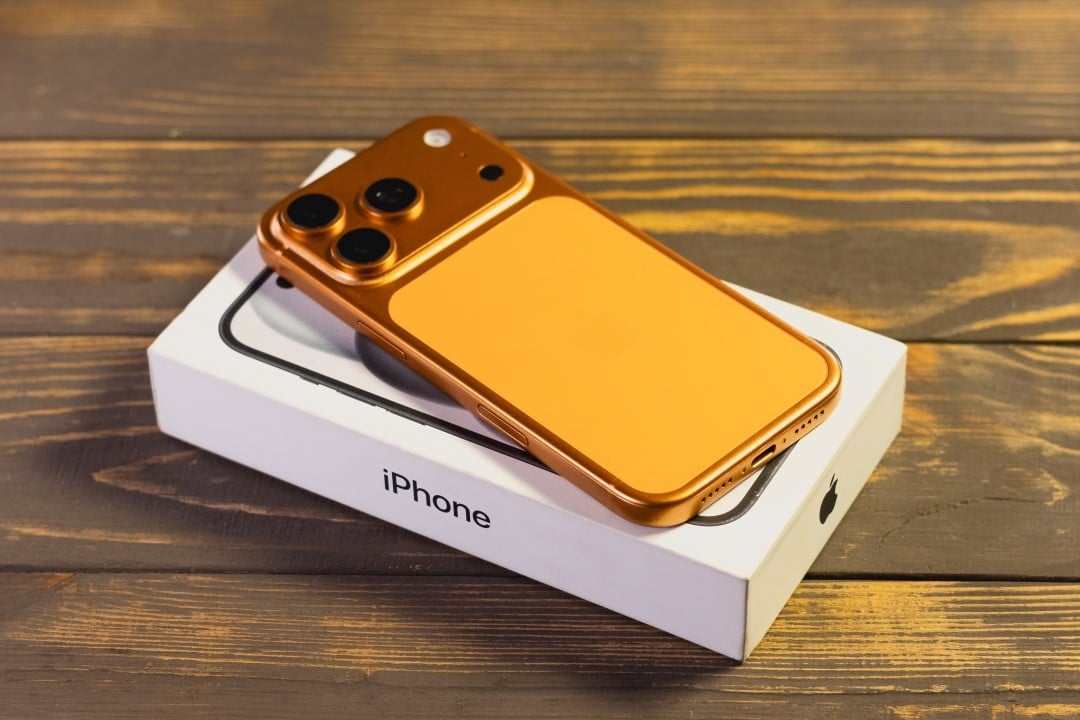
The rigorous evaluation of the image capture systems of the main high-end smartphones on the current market demonstrates a paradigm shift in the technology industry. The direct clash between the most advanced devices from the Samsung and the Apple shows that the technical superiority of the physical components no longer guarantees an absolute advantage in the final visual result delivered to the consumer.
Mobile technology experts put the devices through extensive testing in varying lighting conditions, everyday usage scenarios, and high-contrast environments. Initial expectations pointed to an isolated leadership of the South Korean model, driven by very high resolution sensors and lenses with greater light absorption capacity designed to dominate night photography.
The practical verdict, however, contradicted projections based strictly on technical sheets and marketing campaigns. The images generated by both devices present a level of similarity that challenges the perception of the common user, leveling the playing field in the premium mobile telephony segment and raising questions about the real value of annual hardware updates.
Market dynamics and development context
The mobile device industry is going through a maturation phase where generational hardware leaps have become less noticeable to the naked eye, requiring highly complex microscopic innovations. The Galaxy S26 Essa technical specification represents an increase of more than 40% in light absorption capacity compared to the previous generation, a figure that, in theory, should annihilate the competition in nighttime or low visibility environments. The engineering behind this sensor required years of research and development to miniaturize components without compromising the physical integrity of the device, while maintaining the elegant design required by the premium category.
At the same time, the iPhone 17 Pro maintains the Apple philosophy of continuous optimization of an apparently more conservative optical set, focusing on ecosystem stability. The North American company’s strategy focuses on deep integration between the main processor and image sensors, creating a closed visual data processing environment. Quando placed side by side, the difference in approach of the two technology giants results in a surprising technical tie. Photographs captured at the same angles and times reveal that the theoretical advantage of the Samsung’s f/1.4 aperture is often offset by the efficiency of the Apple’s neural engine, resulting in images that share nearly identical levels of sharpness, contrast and dynamic range, frustrating enthusiasts who expected a clear disparity.
The illusion of technical specifications
The 50-megapixel telephoto lens on the Samsung device has also undergone significant redesigns to capture a substantially greater volume of photons. The primary objective of this structural change was to provide a more organic background blur and drastically reduce digital noise in extreme close-ups of distant objects.
During field evaluations, professional photographers noted that these physical improvements deliver marginal results when compared to previous year’s models. The optical stabilization and clarity of long-distance zoom images show measurable advances in the laboratory, but not enough to distance the device from its direct rivals in daily use.
This phenomenon highlights a development ceiling for glass and plastic lenses that fit into the chassis of a cell phone with a thickness of less than nine millimeters. The laws of optical physics impose severe limits on the size of sensors and the focal length that can be embedded in these devices without creating unwanted protrusions on the back of the equipment.
Consequently, the battle for photographic supremacy has definitively migrated from the traditional optics laboratory to advanced software development centers. A phone’s ability to record a scene faithfully now depends on complex programming codes that operate in fractions of a millisecond immediately after the digital shutter is pressed.
The domain of computational photography
Computational photography has assumed absolute prominence in defining image quality in modern smartphones, relegating the hardware to the role of a mere collector of raw data. Artificial intelligence algorithms analyze the scene in real time, identifying faces, textures, light sources and background elements even before the photo is actually registered in the device’s memory.
The Samsung takes a post-processing approach that prioritizes color vibrancy, eliminating deep shadows, and artificially sharpening edges. Essa calibration is intentionally designed to generate visually impactful files ready for immediate posting on social media, where high contrast tends to attract more visual engagement and attention retention.
On the other hand, this aggressiveness in digital processing can distance the image from the reality witnessed by the photographer at the time of the click, creating excessively blue skies or skin with plasticized textures. The debate over color fidelity versus internet-oriented aesthetics is the main point of divergence between users of the Android and iOS ecosystems today, defining the purchasing preferences of millions of consumers.
Image Customization Tools
To overcome criticism about excessive and automated processing, the South Korean manufacturer integrated deeper controls directly into the native camera application. The release of standard capture at 24 megapixels offers an ideal compromise between the extreme detail of high-resolution sensors and efficient management of the device’s internal storage space, making life easier for content creators.
Another highly relevant technical addition is the implementation of a three-dimensional virtual facial mask operating in portrait mode. The system maps the subject’s face in real time and allows the user to change the direction and intensity of a virtual light source after capture, simulating the effect of professional studio bouncers and flashes without the need for heavy external equipment.
The advancement of Asian manufacturers
The historic duopoly between Samsung and Apple in the premium segment faces unprecedented pressure from China-based corporations seeking to dominate the global market. Marcas as well as Vivo, Xiaomi and
These Asian conglomerates invest billions in research into noise reduction algorithms, color calibration and processing of multiple simultaneous exposures. In blind night photography tests, these devices frequently outperform traditional Western market leaders, redefining the standard of excellence demanded by high-income consumers and forcing an acceleration in competitive innovation.
Dedicated apps for professionals
The answer to the most demanding users materializes in platforms such as Expert RAW and Assistente of Câmera, which unlock direct access to unprocessed image sensor data. Manual manipulation of variables such as shutter speed, ISO sensitivity, focus and color temperature turns the phone into a viable working instrument for photographers who refuse the automated interference of standard algorithms and demand full control over exposure.
The horizon of visual processing
The development trajectory of mobile image capture points to an increasing reliance on neural networks, machine learning and cloud processing. The stagnation in physical hardware innovations suggests that the next big leaps in quality will not come from larger lenses or sensors with astronomical megapixel counts, but rather from neural processors capable of performing trillions of mathematical operations per second to reconstruct light and shadow in a synthetic, hyperrealistic way. A smartphone’s ability to understand the semantic context of a scene — distinguishing a cloudy sky from a gray wall, the texture of a leaf from human skin, or the movement of a pet in low light — will dictate the winners of the next generations of devices. The leveling off of photographic performance between the Galaxy S26 Ultra and the iPhone 17



