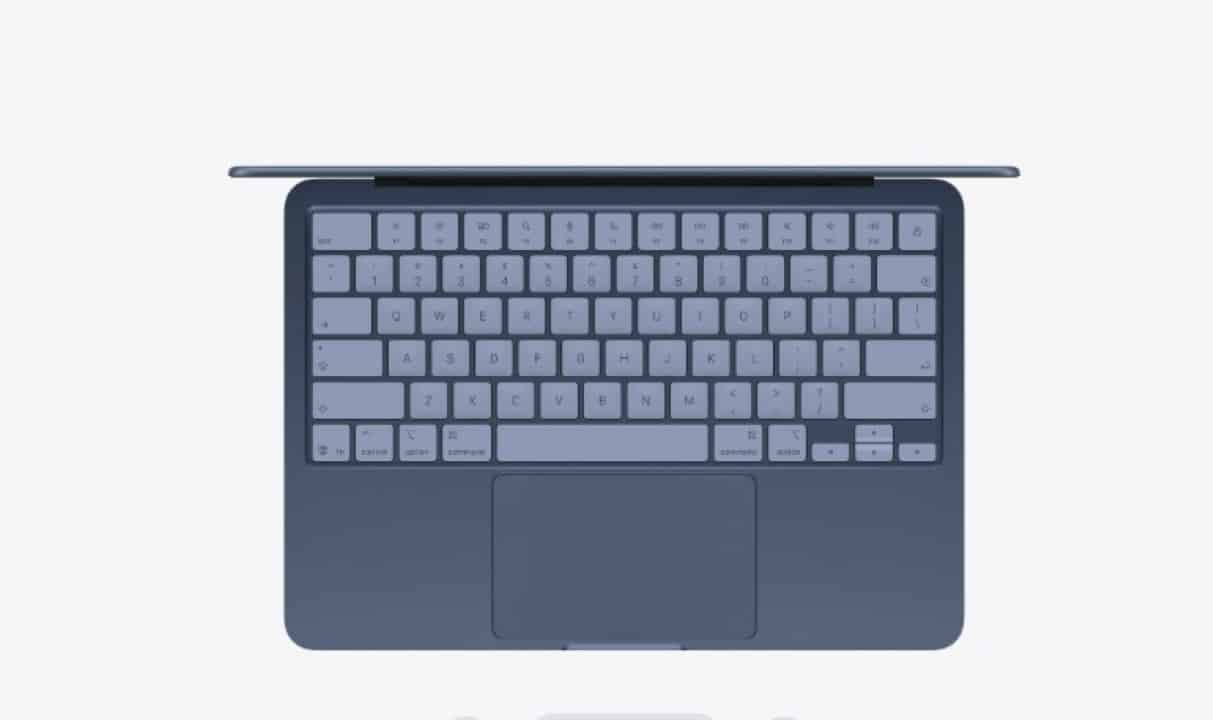
The North American manufacturer Apple introduced the MacBook Neo to the market, sold for US$599, establishing a direct change in its business model. The equipment arrives in stores with the aim of serving consumers who are looking for low-cost traditional devices, a space previously occupied by attempts to establish the brand’s tablet as their main work tool. The commercial decision indicates a retreat from the narrative maintained over the last decade, which positioned touch screens as definitive replacements for conventional notebooks.
Change of focus on the entry segment
The availability of a portable computer at a reduced price demonstrates a reassessment of the real needs of users by the company’s management. Durante years, global advertising campaigns tried to convince the public that tablets offered a superior, lighter and faster alternative to Windows system computers. The slogan that questioned the very definition of a computer served as the basis for trying to redefine the category of portable electronics. Contudo, the daily routine of students and professionals required complex workflows that mobile operating systems had difficulty processing organically. The introduction of the new notebook shows that the attempt to force a format transition met with practical resistance in the consumer market. The recently launched equipment features an integrated physical keyboard and a standard trackpad, elements that the manufacturer itself even classified as outdated technologies in previous statements. The current offer aims to compete directly with the Chromebooks and entry-level PCs, markets that the brand avoided competing with its traditional line of computers. Essa change of route positions the company more aggressively in the fight for price-sensitive market shares.
macOS operating system performance
The new device operates with macOS, a system specifically developed for managing multiple windows and simultaneous tasks. Essa software architecture directly meets the demands of students who need to carry out research, write documents and organize files without the interface limitations present in mobile systems. The ability to switch between applications fluidly represents an essential technical difference for carrying out academic and professional activities. The traditional desktop environment eliminates the need for complex adaptations that users faced when trying to multitask on smaller screens.
For the corporate and office environment, the consistency of computer programs guarantees the interoperability necessary for everyday life. Folder management and the absence of software compatibility barriers facilitate the integration of the equipment into already established corporate networks. Famílias Those looking for a shared device find the notebook a ready-to-use solution, without the learning curve required by interfaces based on touches and gestures. Operating system familiarity reduces adaptation time and increases efficiency immediately after purchase.
Additional accessory costs
The economic viability of tablets as exclusive work tools came up against the high value of the necessary peripherals. The acquisition of official keyboards and protective covers raised the final cost of the set to levels higher than those of conventional notebooks. Esse financial factor undermined the initial proposal of offering an affordable alternative.
Consumers frequently reported frustration when they realized that the full experience required significant extra investment. The dependence on accessories transformed the mobile device into a luxury device, alienating audiences with limited budgets. The new notebook eliminates this barrier by integrating all essential components into a single piece.
Pricing at US$599 for the complete set corrects the price distortion created by the separate sale of peripherals. The current strategy delivers an immediate productivity solution, validating the public’s preference for traditional hardware formats. The company adjusts its offer to the financial reality of most technology consumers.
Dispute over the educational sector
The educational institutions market represents one of the main targets of the manufacturer’s new commercial strategy. Anteriormente, the attempt to insert tablets in classrooms faced resistance from teachers accustomed to desktop systems. Retraining pedagogical workflows has proven to be a considerable obstacle to mass adoption.
Students also reported technical difficulties in managing documents and running specific software required by the curriculum. The complexity of organizing files on mobile systems reduced efficiency during classes and when completing tasks at home. The traditional notebook format solves these usability issues immediately.
School network administrators faced logistical challenges with maintaining mobile devices and their associated detachable accessories. The frequent breakdown of peripherals and the difficulty of large-scale repair generated unforeseen costs for institutions. The new computer’s unified design simplifies technical support and inventory management.
The aggressive entry into the price range dominated by competitors demonstrates the intention to recover lost space in schools. Offering robust and familiar equipment meets the durability and functionality requirements of educational purchasing departments.
Technological market reactions
Experts in the technology sector point out that the launch changes the competitive dynamics in the entry-level computer segment. The availability of manufacturer-branded hardware at a competitive price puts pressure on other companies to review their price lists. The movement indicates an intensification in the competition for consumers looking for their first personal computer.
Market analysts note that the decision fills a historical gap in the company’s portfolio. The acceptance that the classic notebook format remains relevant aligns the product offering with the real expectations of daily use. The equipment meets exactly the customer profile that the brand tried, unsuccessfully, to migrate to mobile devices.
Tablet sales trajectory
Financial reports over the last decade have recorded a stabilization followed by a decline in the sale of large-screen mobile devices. Após a period of high demand, the market reached saturation, transforming the product into a sporadic update item. The need to drive corporate growth required the creation of a new source of revenue in the affordable hardware segment.
Adaptation to productivity demands
The acceptance of the limitations of mobile devices for high-demand tasks marks a maturity in the company’s product line. Profissionais who require intensive typing, editing complex spreadsheets and using programming software find adequate ergonomics in the traditional format. The integrated physical keyboard offers tactile feedback that attachable peripherals can rarely replicate with the same stability. The presence of physical connection ports facilitates integration with external monitors, printers and storage units, basic requirements in work environments.
The clear distinction between equipment aimed at entertainment and tools dedicated to content production organizes the manufacturer’s catalog. Dispositivos Mobile devices maintain their relevance for media consumption, reading and casual games, while portable computers resume their leading role in work activities. Essa separation of functions avoids consumer confusion at the time of purchase and ensures that the expectation of use is met by the correct hardware. The current strategy demonstrates a renewed focus on delivering practical utility.
Targeting traditional devices
The return to the development of low-cost portable computers consolidates the permanence of the classic format in the technology industry. The attempt to reinvent the wheel of personal computing gave way to the improvement of a design already established by users. The manufacturer recognizes that operational efficiency outweighs the search for disruptive innovations that do not translate into ease of use.
The expectation of future updates to the notebook line indicates a long-term commitment to this market segment. The company positions its parts to ensure continued competitiveness, ensuring that the incoming public has access to complete and efficient computing tools.
