

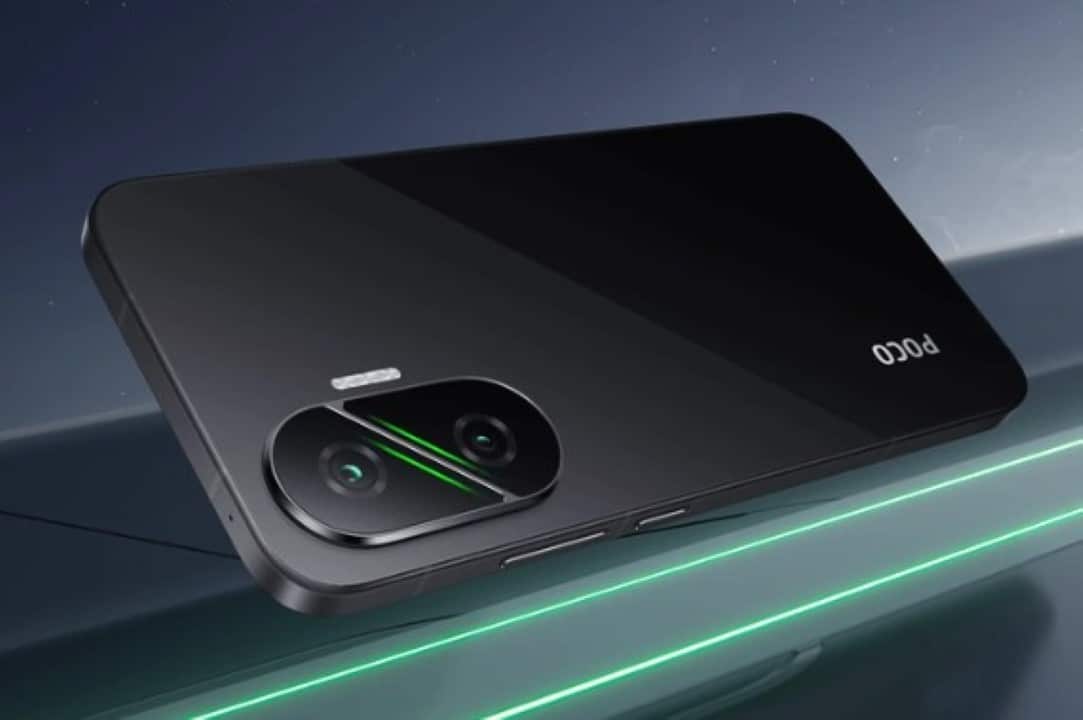
The Chinese electronics manufacturer announced a significant readjustment in the prices charged for one of its main mobile devices aimed at the high-performance intermediate segment. The device, widely recognized in the market for its energy capacity outside conventional standards, underwent a price cut that changes the competitive dynamics on physical retail shelves and on digital commerce platforms. Anteriormente sold in the range of three thousand reais, the equipment can now be found for values close to two thousand five hundred and forty-nine reais in several partner stores and official distributors.
The commercial strategy adopted by the company aims to capture a larger share of consumers who seek advanced technical specifications without the need to invest the high prices charged for traditional top-of-the-line models. The movement occurs at a time of high demand for devices that offer long-lasting daily use, reflecting a change in user behavior who spends more and more hours connected to streaming services, social networks and productivity tools. The reduction in acquisition cost places the model in a prominent position in virtual showcases.

Experts in the telecommunications sector believe that this aggressive pricing has the potential to force other technology companies to review their own price lists so as not to lose space in retail. The competition for consumer attention becomes fiercer when a device delivers cutting-edge hardware components for a fraction of the expected cost, redefining what is considered good value for money in the current economic situation of the mobile phone market.
Technical specifications and processor performance
The device’s hardware set is led by the presence of a modern architecture processor, specifically designed to handle computationally demanding tasks without compromising energy efficiency. The integrated chip allows the fluid execution of heavy applications, high-resolution video editing and games with detailed graphics, maintaining the system’s thermal stability during prolonged periods of continuous use.
To complement the raw processing power, the manufacturer equipped the model with twelve gigabytes of random access memory. Essa voluminous capacity ensures that multiple applications remain open in the background without the operating system having to constantly reload them, optimizing the user’s multitasking navigation and avoiding unwanted crashes when switching between different communication and work platforms.
In terms of internal data storage, consumers will find factory options that vary between two hundred and fifty-six and five hundred and twelve gigabytes of available space. The absence of a dedicated compartment for expansion via memory card requires the buyer to carefully evaluate their space needs before purchasing, as the storage chosen at the time of purchase will be definitive for the device’s useful life.
Power autonomy and charging speed
The device’s main technical difference lies in its internal energy storage module, which reaches an impressive six thousand five hundred milliampere-hours. Essa physical capacity significantly exceeds the current average of the mobile phone industry, which usually standardizes its components at around five thousand milliampere-hours for the vast majority of commercial launches.
The difference in energy volume directly translates into extended autonomy, allowing the user to exceed the mark of a full day of intense use without the need to look for an outlet or use portable batteries. Atividades that traditionally drain load quickly, such as continuous use of the global positioning system and navigation via fifth generation mobile networks, are supported with a much greater safety margin.
To compensate for the large size of the power component and avoid long waits connected to the wall, the company implemented a rapid charge replacement system operating at ninety watts of power. The power technology embedded in the plug adapter provided in the box can restore the equipment to full capacity in a considerably shorter period of time compared to old standards.
Thermal management during the rapid feeding process has been improved through software and hardware to prevent premature wear of internal cells. Sensores distributed throughout the chassis monitor the temperature in real time, dynamically adjusting the electrical current to ensure the user’s physical safety and the component’s longevity over years of daily use.
Screen quality and device resistance
The equipment’s visual interface is built on an organic light-emitting technology panel with 1.5K resolution and almost seven inches in diagonal size. The screen offers a refresh rate of one hundred and twenty frames per second, a technical feature that provides extremely smooth visual transitions in the operating system interface and guarantees notable competitive advantages in fast-action electronic games.
The display reaches brightness peaks that exceed the three thousand and two hundred nits mark, ensuring perfect legibility of texts, photographs and videos even under direct sunlight in outdoor environments. The external structure of the device also has international protection certification, attesting to its resistance against the entry of fine dust and withstanding accidental submersion in fresh water, which gives the product extra durability in everyday use.
Market positioning and cost relationship
The readjustment of the smartphone’s market value profoundly changes its position on the accessibility scale for the average consumer looking to upgrade their communication equipment. Considerando that the minimum wage in force in the country is set at one thousand six hundred and twenty-one reais, the drop in the final price of the product to the range of two thousand and five hundred reais brings the device closer to the financial reality of a wider portion of the population. The purchase of technology equipment usually represents a considerable portion of the family budget, and direct reductions in the window price encourage retailers to offer even more attractive installment terms to dilute the impact of the purchase.
The financial repositioning of the model demonstrates an aggressive commercial tactic to gain market share by the Asian manufacturer in strategic territories. By sacrificing part of its profit margin per unit sold, the company is betting on massive sales volume to sustain its logistics operations and attract new customers to its ecosystem of integrated digital products and services. Essa market dynamics force the technology sector as a whole to review its own price tables, generating a cascade effect that invariably benefits the end consumer with more robust hardware options at fairer monetary values consistent with economic reality.
Direct dispute with models from other manufacturers
The new price tag puts the device on a head-on collision course with consolidated devices from rival brands that have historically dominated the mid-range segment on global shelves. Modelos specific products from South Korean and North American competitors, such as the Samsung lines and the Motorola devices, which lead the sales volume in this cost category, now face an opponent that offers numerically superior technical specifications in fundamental aspects of use. The dispute for consumer preference is based on a thorough comparison between the extended energy autonomy offered by the Chinese manufacturer and the familiarity of the software interface promised by the most traditional brands on the market. Analistas from the telecommunications sector point out that aggressive pricing in retail is one of the few truly effective tools to break the user’s blind loyalty to established brands, forcing a system migration based purely on the relationship between the immediate acquisition cost and the practical benefits of hardware delivered during the work and leisure routine.
Availability in retail chains and stocks
The availability of the device with the new adjusted value can now be seen on the main e-commerce platforms and in large physical store chains spread across the country. Especialistas in technology consumption recommend careful research into different authorized distributors, as natural fluctuations in logistical stock may generate specific price variations depending on regional demand for the device in the coming weeks.
Impact on the technology supply chain
The large-scale production of devices with very high density batteries requires complex adaptations in the global electronic components supply chain. Fornecedores of raw materials need to adjust their assembly lines to meet the rigorous safety standards required for the encapsulation of power cells with six thousand and five hundred milliampere-hours, ensuring that the production volume keeps up with the demand generated by the reduction in the final price of the product.
The flow of these batches of smartphones to international markets involves detailed logistical planning to avoid shortages in partner stores. Maintaining the reduced price in the long term will directly depend on the manufacturer’s ability to stabilize import and distribution costs, ensuring that the end consumer continues to have access to the equipment without facing exchange rate fluctuations that nullify the initial competitiveness strategy.