

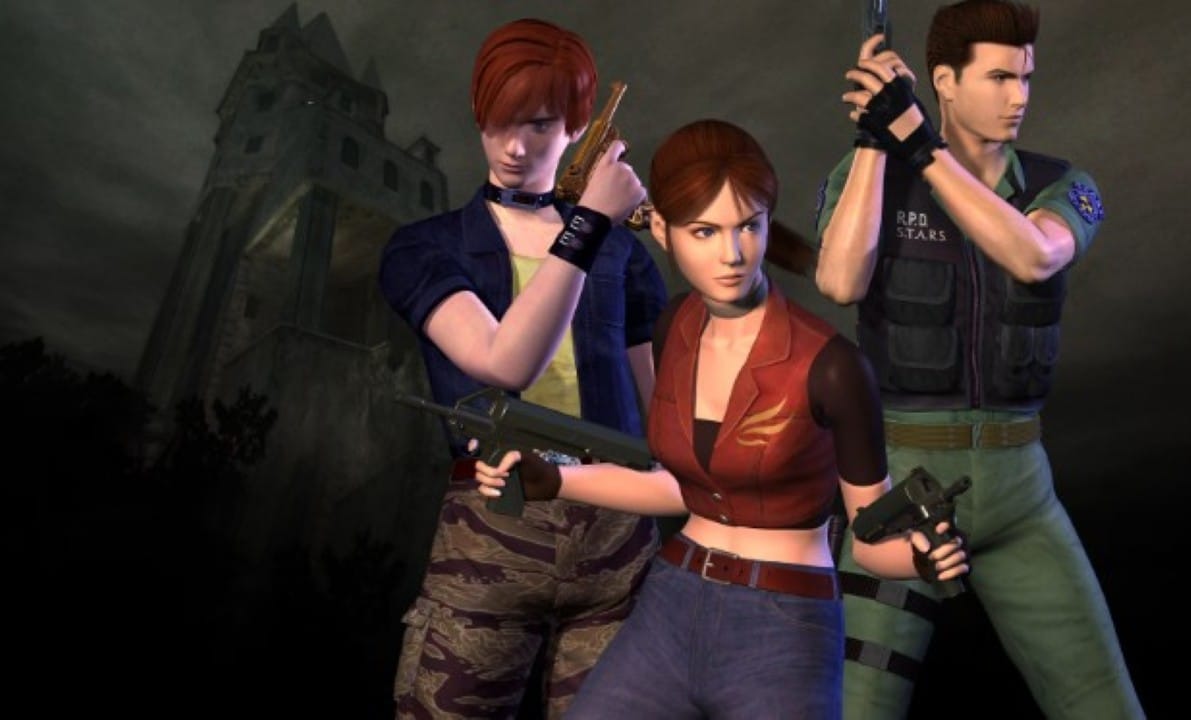
The Japanese developer confirmed the production of a new version of one of the most acclaimed titles in its survival horror franchise. The project focuses on the total recreation of the work originally launched in 2000, using cutting-edge technologies to modernize the players’ experience and adapt the narrative to contemporary standards. The initiative is part of a broader business plan that aims to revitalize the digital entertainment company’s classic catalog.
The production company’s internal planning points to the title’s arrival on the global market in 2027. The software engineering team works with an updated version of the company’s proprietary graphics engine to guarantee high visual fidelity, while the sound designers prepare a completely new auditory atmosphere. Production is currently in the advanced pre-production phase, with the main gameplay pillars already defined by the project directors.
The main technical guidelines established for this recreation include:
– Reconstrução complete of the original scenes with dynamic lighting and textures in very high resolution.
– Implementação advanced artificial intelligence for enemies, making encounters more unpredictable.
– Reformulação of the audio system to support three-dimensional spatial sound in headphones and home theaters.
– Captura movement updated for all main and secondary characters in the plot.
The decision to revive this specific work meets a historical demand from the gaming community, which has been requesting a visual and mechanical update compatible with current standards in the digital entertainment industry for years. The original title marked an important transition at the time of its release, introducing fully three-dimensional backgrounds instead of the pre-rendered backgrounds used in its predecessors. The new version seeks to preserve the narrative essence, which involves corporate espionage and secret installations, while fundamentally changing the way the user interacts with the environment. The producer has appointed veteran teams who participated in previous recreations to lead this new development cycle, ensuring that the transition to modern platforms maintains the technical rigor demanded by fans of the series.
Graphics engine update
The technological core of the project lies in the use of RE Engine, the proprietary development tool that has driven the company’s main releases in recent years. Esta platform allows the creation of highly detailed three-dimensional models, photorealistic textures and complex physical simulations that increase immersion in horror scenarios. The engineering behind the software has been optimized to extract maximum performance from next-generation consoles and high-performance computers, ensuring stable frame rates even in intense graphics processing situations. The engine architecture also facilitates the game’s scalability to different hardware available on the market.
In addition to the obvious aesthetic improvement, the graphics engine facilitates the implementation of dynamic weather systems and particle effects that directly affect the visibility and atmosphere of the closed and open environments present in the narrative. The art team works closely with programmers to ensure that volumetric lighting and real-time shadows contribute to the psychological tension, a core element of the franchise’s identity since its inception. The use of photogrammetry to create scenery objects adds an extra layer of realism to the decrepit environments that players will need to explore during their journey.
Camera redesign and movement
The most significant change to the game’s structure involves the transition from the original fixed camera to a third-person perspective positioned over the protagonist’s shoulder.
This visualization model has become the industry standard for action and horror games, allowing for more precise aiming and more intuitive exploration of dark, threat-filled scenarios.
The change in perspective requires a complete reconstruction of the level design, as virtual spaces need to accommodate the player’s new breadth of vision and free movement mechanics.
The narrow corridors and large rooms of the isolated facility where the plot unfolds are being resized to maintain the sense of claustrophobia without compromising the main character’s mobility and evasion capacity.
Adjustments to survival systems
Resource management, a fundamental pillar of the survival horror genre, will undergo a rigorous mathematical rebalancing to adapt to the new pace of play and the greater precision of modern controls.
The inventory system will be modernized with a cleaner and more responsive user interface, reducing the time spent navigating menus during tense moments and direct confrontations against opponents.
The developers are also revising the progress saving mechanics and the distribution of healing items and ammunition, seeking a balance between the punishing difficulty of the source material and the accessibility expected by contemporary audiences.
Producer’s market strategy
The continued focus on recreations of classic titles has proven to be a highly profitable and stable line of business for the Japanese developer over the last decade of operations in the global market.
The track record of robust sales of similar projects establishes a secure financial foundation for the corporation, minimizing commercial risks associated with launching entirely new intellectual properties into the competitive digital entertainment sector.
Expansion of licensed products
Corporate planning transcends the exclusive sale of interactive software, encompassing a vast network of physical and digital products associated with the brand that hit shelves simultaneously with the game.
The revitalization of intellectual property drives the manufacturing of high-value collectibles, themed apparel and strategic partnerships with manufacturers of computer peripherals and consoles, considerably diversifying the company’s revenue sources.
Extended production cycle
The official schedule that points to release only in 2027 reflects the board’s commitment to technical quality control and the complexity inherent in recreating a game with multiple international locations and an extensive narrative. The extended production period allows the engineering, art and sound departments to carry out exhaustive code optimization tests and mechanics refinement, ensuring that the final product reaches consumers free from severe technical glitches that often haunt rushed releases. The long-term development strategy also facilitates the efficient allocation of human resources within the studio, avoiding periods of work overload for programming teams and ensuring adequate polish in all phases of software creation, from initial modeling to final audio mastering.
Official communication and marketing
Promotional campaigns and the release of video materials about the progress of the project are scheduled to occur strictly gradually, with the first public interactive demonstrations scheduled for major fairs and events in the technology sector in the months before the title’s definitive arrival in virtual and physical stores around the world.