

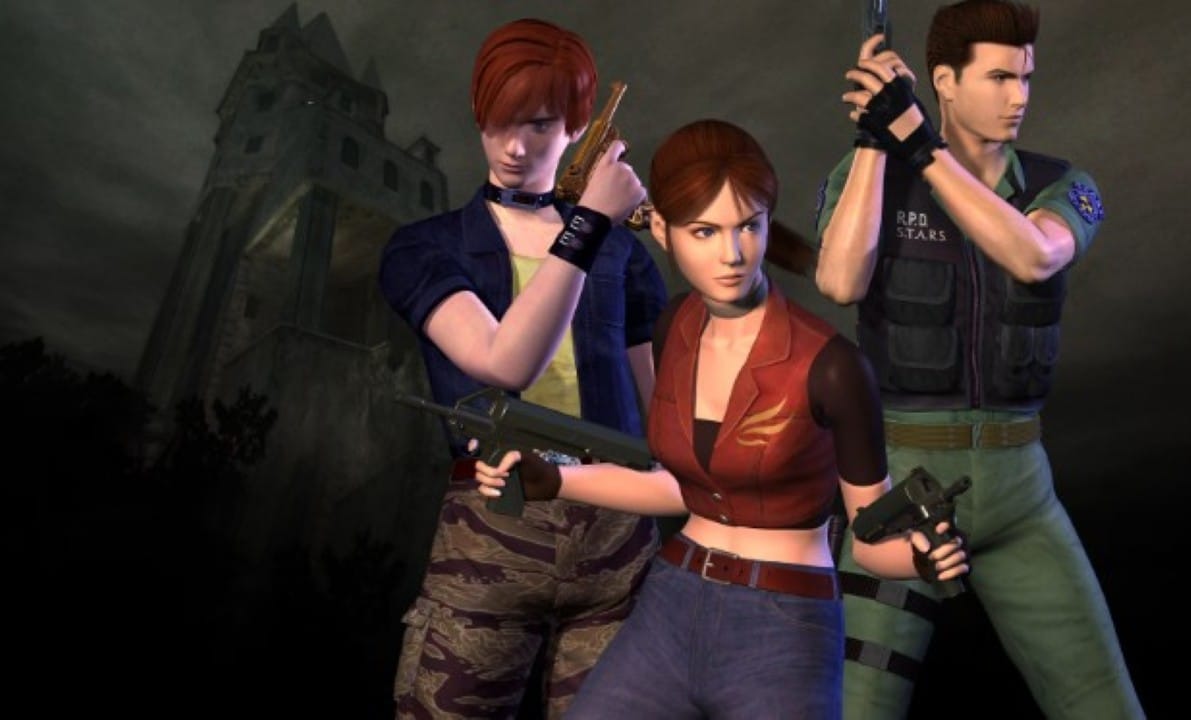
A recent leak of internal documents from a major Japanese developer has revealed the long-term plans for one of the most popular survival horror franchises in the video game market. The files detail the company’s release schedule, pointing to the arrival of a completely remade version of a classic title originally released in 2000. The project is part of a broad commercial strategy that aims to revitalize old works for current generation platforms.
Strategic planning indicates that the game will reach the global market in three years, integrating a development cycle focused on updating mechanics and graphics. The initiative follows the pattern established by the producer in recent years, which achieved significant financial returns by restructuring the first chapters of its main brand of zombies and biological threats.
Leaked information shows that production is already underway, with teams dedicated to adapting the original narrative to contemporary industry standards. The development team’s main focus is to maintain the essence of the original work, while implementing modern control systems and a high-fidelity visual presentation.
Technological update and use of proprietary graphics engine
The reconstruction of the classic title will use the developer’s proprietary graphics engine, known for delivering high levels of photorealism and performance optimization. Essa technology has been the basis of all of the company’s recent releases, allowing the creation of detailed environments and dynamic lighting that favor the survival horror genre.
The documents point out that the transition to this graphics engine will completely eliminate the pre-rendered scenarios and fixed cameras that characterized the original version. The change requires artists and programmers to recreate each location from scratch, using advanced texture mapping and three-dimensional modeling techniques.
Modifications to the control and exploration system
The main change in gameplay will be the adoption of a third-person perspective with the camera positioned over the character’s shoulder. Esse format has become the industry standard for action and survival games, offering greater precision in aiming and more direct immersion in the explored environments.
The puzzles, fundamental elements of progression in the original game, will undergo a process of modernization to adapt to the new rhythm of the game. The design team plans to maintain the logic of classic puzzles, but adapting the interaction to feel more natural and integrated into the three-dimensional setting.
Managing resources, such as ammo and healing items, will continue to be a pillar of the experience, requiring planning on the player’s part. The inventory will receive an updated interface, making it easier to combine items and quickly navigate during moments of confrontation with the game’s creatures.
Business history and market projections
The decision to invest in the recreation of this specific chapter is based on the commercial results obtained with previous remakes of the franchise. The electronic games market has demonstrated a strong receptivity to updated versions of classics, transforming nostalgia into a highly profitable business model for publishers.
Sales data indicates that the recreation of the second game in the main series surpassed the thirteen million units sold worldwide. Esse number established a new level of success for the company, validating the strategy of retelling old stories with cutting-edge technology.
The most recent release in the remake line, focused on the fourth title in the franchise, also delivered a robust commercial performance, selling more than eleven million copies in a short period. Esses results generated confidence among investors and guaranteed the necessary budget to continue the catalog revitalization project.
Internal financial projections suggest that the new title has the potential to achieve similar numbers, driven by the growth of the installed base of next-generation consoles and the expansion of the digital game distribution market.
Motion capture and audio engineering
The character animation process will feature extensive motion capture sessions, involving real actors to record facial expressions and body movements with millimeter precision. Essa technique allows interactions during non-interactive scenes to convey a level of realism that was impossible to achieve on hardware from the early 2000s. The complete re-recording of the dialogues will accompany this visual evolution, with a new cast of voice actors selected to voice the protagonists and antagonists of the plot, ensuring a vocal delivery appropriate to current cinematic standards.
In the sound department, the engineering team is implementing three-dimensional spatial audio systems to increase tension during exploration. The technology allows players to identify the exact direction and distance of footsteps, breathing and other noises emitted by threats present in the environment. Sound design is treated as an essential mechanical element, providing auditory cues that help with survival and navigation through the dark corridors of the facility, replacing old visual alerts with an immersive sensory experience.
Narrative structure and setting in remote facilities
The game’s narrative follows a survivor’s journey in search of her missing brother, leading her to investigate secret facilities controlled by a multinational pharmaceutical corporation. The story begins in a prison located on a remote island, where a new viral leak transforms inmates and staff into hostile creatures, forcing the protagonist to find escape routes while uncovering the secrets of an aristocratic family linked to the company’s founding. The campaign’s progression takes the action to a clandestine research base located on Antártida, drastically altering the climate and visual challenges faced by the player. The original script will be expanded to deepen the motivations of the antagonists and create clearer connections with the events of other games in the series, correcting temporal inconsistencies and better developing the personalities of secondary characters. The transition from closed, industrial environments to freezing landscapes and underground laboratories requires versatile art direction, capable of maintaining tension regardless of the setting. Documentos of the project indicate that the writing team works closely with the level designers to ensure that the environmental narrative tells part of the story, using scattered text files, the local architecture and the layout of the enemies themselves to inform the player about the events that preceded the collapse of the facilities.
Brand licensing strategy
In addition to software development, the company plans to synchronize the game’s launch with the brand’s expansion on other entertainment fronts. The strategy includes the production of animations, licensing of physical products and possible film adaptations, aiming to maximize the visibility of intellectual property and attract consumers who do not follow the electronic games market.
Team division and workflow
The production company’s internal organization adopts a parallel development model, allowing different divisions to work simultaneously on different projects within the same franchise. Enquanto one team focuses on creating new chapters to advance the main chronology, another group of engineers and artists is dedicated exclusively to modernizing the classic catalog.
This workflow ensures regular market launches, maintaining public engagement and stabilizing the company’s revenue throughout the fiscal year. The allocation of resources for the project scheduled for three years from now demonstrates the company’s structured planning for maintaining its most valuable intellectual properties.