

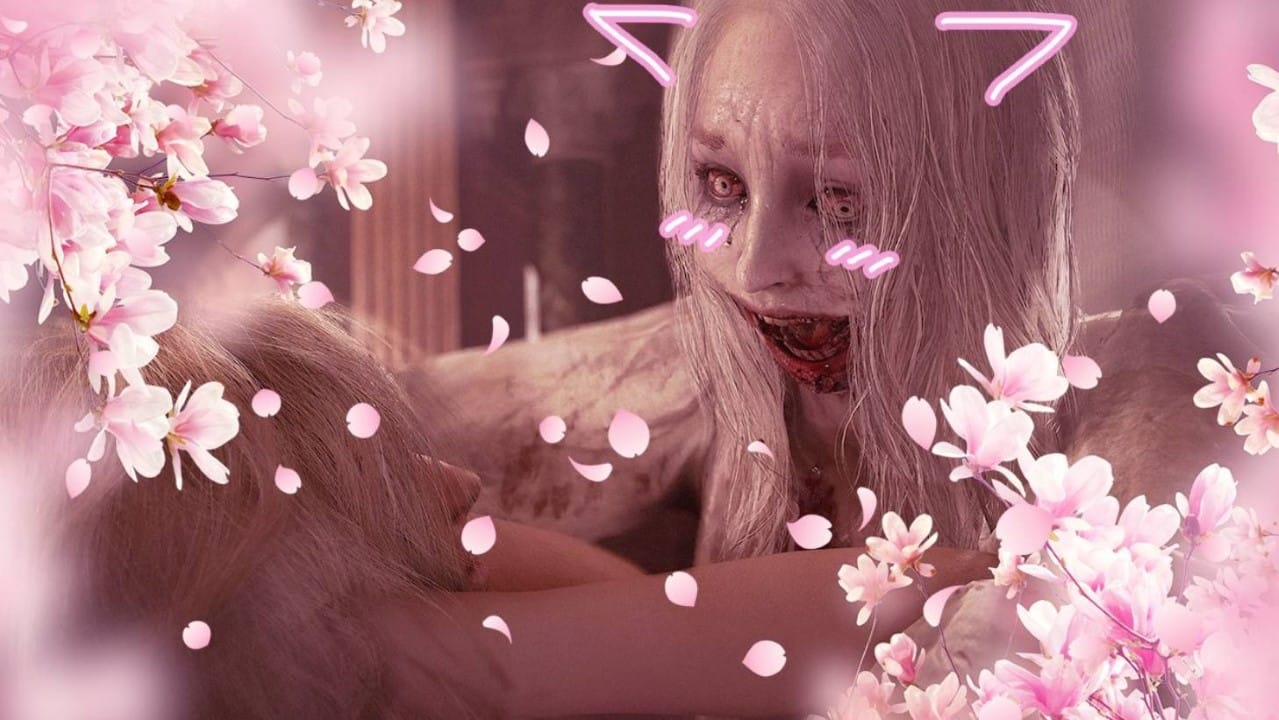
The creative team responsible for one of the biggest survival horror franchises on the video game market surprised the public by presenting a radical aesthetic change to one of its antagonists. The promotional action transformed a dark and threatening figure into a character with friendly and childlike features on the company’s communication platforms.
The strategic move on social media broke with the traditional advertising pattern adopted for horror titles, which normally focus on elements of tension and fear. The publication sparked immediate debates among consumers about the flexibility of intellectual properties and new ways of engaging in the digital entertainment sector.
The visual adaptation demonstrates a clear attempt by corporations to adjust to the fast and humorous dynamics of the internet. The developer used breaking expectations as its main tool to keep the game in the spotlight months after its official launch in physical and virtual stores around the world.
Public dialogue with industry veteran drives change
The origin of this unusual graphic change is directly linked to a public interaction with Hideki Kamiya, renowned director of classics in the industry and former employee of the production company itself. The veteran used his personal account to suggest an alternative game mode, proposing replacing the undead with cute versions and exchanging bloody combat effects for a rain of cherry blossoms. The suggestion, initially seen as a joke among industry professionals, quickly gained traction among followers and caught the attention of those responsible for managing the brand’s community.
On the same topic: Capcom releases free trial version for Resident Evil Requiem months after launch
The communications team captured the developer’s idea and mobilized the art department to produce the conceptual material in just 48 hours. The result was published on the franchise’s international account, presenting specific modifications to the monster’s original design, such as the addition of flushed cheeks, the inclusion of animal ears in the three-dimensional modeling and the complete removal of graphic elements of violence. The dark and oppressive setting was also replaced by a bright environment decorated with cherry blossom petals, consolidating the aesthetic transformation.
Sound and visual impact of the zombie singer on gameplay
The target of this digital edition was the character known to players as the zombie singer, a creature that is present in the first hours of the main campaign of Resident Evil Requiem. Este enemy acts as a significant immersion obstacle, presenting behavior that is completely different from the conventional infected found in the game’s scenarios.
Learn more: Capcom defines schedule for Resident Evil 10 and new remakes of the franchise
Instead of chasing the user in a direct and irrational way, the monster wanders around the environments performing slow dance steps and emitting melancholy vocalizations. The sound design acts as a constant proximity alert, heightening anxiety while exploring the dark corridors and contrasting sharply with the traditional groans of the other threats.
The subversion of this specific psychological horror element considerably amplified the joke’s impact on social media. The transformation of a figure designed to cause auditory and visual discomfort into a harmless drawing demonstrated the art team’s deep knowledge of the players’ affective memory.
The public’s reception towards the title’s challenges was taken into consideration when creating the promotional art. The exact choice of this antagonist for the marketing stunt maximized the visual shock and ensured that the joke resonated perfectly with those who had already experienced the tension of facing the creature in the campaign.
Modern communication strategies in the entertainment sector
Maintaining the relevance of single-player narrative-focused games requires ongoing communication approaches well beyond the initial sales window. Títulos games face the constant challenge of attracting new consumers without relying on daily updates, seasonal events or battle passes, mechanisms that are extremely common in competitive multiplayer games.
More on this story: New Resident Evil Requiem DLC will bring Leon back to Raccoon City
The use of image edits and humorous interactions represents a low production cost tactic, but with a very high potential for organic reach on digital platforms. The company’s post quickly surpassed traditional ad engagement metrics like system update notes or fixes for minor software programming errors.
Breaking the fourth wall and self-deprecating humor helps humanize the corporation, bringing developers closer to the active consumer base. Esse tipo de ação gera material altamente compartilhável, inserindo o nome do produto nos algoritmos de recomendação e nas linhas do tempo de diversas plataformas virtuais diariamente, alcançando potenciais compradores que normalmente evitariam materiais focados exclusivamente em sustos.
Commercial performance on next generation hardware
Resident Evil Requiem maintains a stable sales volume in the international market, driven by its wide availability on modern high-performance hardware. The horror survival software can be accessed on the PlayStation 5 and Xbox Series X|S consoles, in addition to having versions optimized for computers through the digital stores Steam and Epic Games Store, ensuring that the product reaches different consumer profiles.
The title is also part of the Nintendo Switch 2 catalog, featuring graphic adaptations developed specifically for the portable device’s architecture. In the Asian market, the game is sold at prices that reflect the developer’s current pricing policy for big-budget releases, including local tax rates applicable at the time of sale in Japanese digital stores.
Fusion of concepts and Japanese pop culture
The aesthetics applied to the promotional image speak directly to a very specific aspect of Japanese pop culture, which often combines elements of horror with adorable or childish visual features. Essa fusion of antagonistic concepts generates an immediate visual shock, deconstructing the oppressive atmosphere that characterizes the original design of the franchise’s monsters and creating an easily assimilated piece of communication.
Learn more: Resident Evil Requiem gets surprise free demo after global debut
Players from different regions of the planet reacted positively to the initiative, producing and sharing their own montages with other classic villains from the series. The phenomenon demonstrates how the fan community appropriates official materials to independently expand the game’s universe, creating an ecosystem of user-generated content that feeds back on the popularity of the original brand.
Requests for visual modifiers in the official code
The massive repercussion of the concept art motivated a significant number of players to request the implementation of similar visual filters directly into the game’s official code. Users suggest adding unlockable options after finishing the main story, allowing you to change enemy appearances and combat effects during side exploration sessions. The community argues that the inclusion of a game mode with these characteristics would increase the replayability factor, offering a completely new and less tense experience for those who have already mastered the original challenges. Fóruns discussions and social media were flooded with informal petitions and fan-created concept art illustrating how other scenarios and bosses could be adapted to this colorful, harmless aesthetic. The mobilization demonstrates the engagement power of a simple marketing action and how modern consumers want to take a more active role in defining the extra features of their favorite entertainment products.
Preservation of the original artistic identity
Despite the extremely positive reception of the digital campaign and requests from the community, the producer remains unwaveringly committed to delivering experiences focused on high tension and psychological horror. The company’s communications reinforce that the core design and oppressive atmosphere of