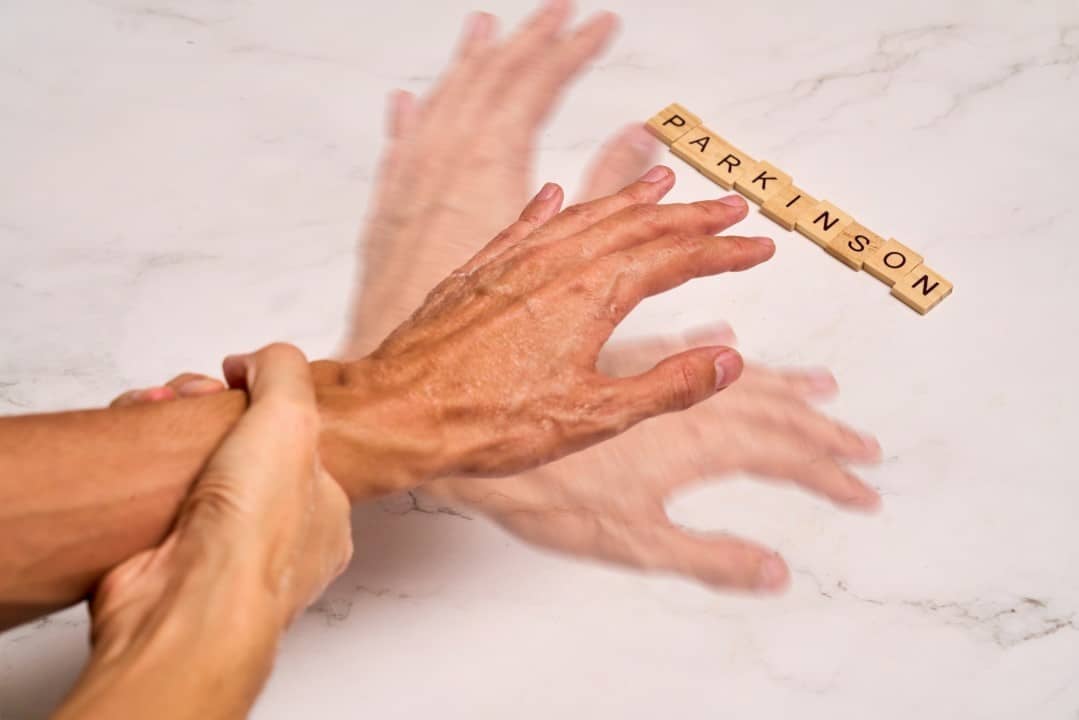
Scientists at Universidade of The technique uses genetically modified bacteria of the E. coli species to process terephthalic acid derived from plastic, transforming it into an essential compound to control the motor symptoms of the progressive neurological disease. The study, published in the journal Nature Sustainability, highlights a more sustainable approach compared to traditional drug production, which depends on limited fossil resources. Essa discovery opens ways for the reuse of discarded plastics into high-value-added products in the pharmaceutical sector.
Parkinson disease affects millions of people around the world and requires constant supplies of L-DOPA to manage tremors, stiffness and slowness of movement. Conventional production faces challenges related to dependence on non-renewable raw materials and the associated environmental impact. With this new biological route, plastic waste, which accounts for around 50 million tons of PET produced globally annually, can become an alternative source of carbon for the synthesis of medicine.
Detailed biological process
The researchers begin the method with the chemical decomposition of PET into terephthalic acid. Next, the modified E. coli bacteria carry out a series of chain reactions that efficiently convert the compound into L-DOPA. Essa biological approach reduces environmental footprint and demonstrates feasibility for future scaling.
The team led by Stephen Wallace, from the university’s Ciências Biológicas department, emphasizes the potential of the technology beyond the pharmaceutical sector. The process can be adapted to generate other valuable chemicals, such as flavors, fragrances and industrial inputs.
Environmental advantages of the technique
Incomplete recycling of PET results in much of the material accumulating in landfills, incinerators or the environment. The new method transforms this waste into an essential pharmaceutical, promoting the concept of bioupcycling, which increases the value of materials discarded through biological processes.
This innovation contributes to the reduction of plastic pollution and offers a sustainable alternative to pharmaceutical supply chains under increasing pressure. The production of L-DOPA from waste represents an advance in the circular economy applied to health.
Perspectives for future applications
Scientists indicate that the technology can expand to other areas of fine chemistry. Plastic waste, often considered an environmental problem, is now seen as a vast and untapped source of carbon.
The discovery reinforces the role of genetic engineering in integrated solutions to environmental and public health challenges. The process demonstrates how precise modifications to microorganisms can generate positive impacts across multiple sectors.
Impact on the production of neurological medicines
L-DOPA has remained the reference treatment for the motor symptoms of Parkinson since its introduction in the 1960s. Reliance on traditional chemical methods limits the sustainability of large-scale production.
With biological advances, an alternative route emerges that integrates plastic waste into the manufacture of pharmaceuticals. Essa integration can stabilize supplies and reduce environmental costs associated with conventional synthesis.
Statements from the researchers involved
Stephen Wallace highlighted that the ability to produce medicines for neurological diseases from discarded plastic bottles opens up promising horizons. Ele notes that plastic waste represents an untapped opportunity for sustainable innovation.
The team plans additional studies to optimize yield and evaluate industrial scalability. The focus remains on validating process efficiency under controlled conditions.
Context of Parkinson’s illness
Parkinson disease is characterized by the progressive loss of dopamine-producing neurons in the brain. Motor symptoms arise when about 60% to 80% of these neurons are affected.
Treatment with L-DOPA replenishes deficient dopamine and significantly improves patients’ quality of life. The constant availability of the medication is crucial for managing the chronic condition.
Challenges of current plastic recycling
Most PET bottles do not return to the production cycle efficiently. Accumulation in natural environments and landfills aggravates pollution and contamination problems.
Initiatives such as bioupcycling seek solutions that transform waste into valuable resources. Edimburgo’s research exemplifies this transition to greener processes in the chemical and pharmaceutical industry.
Advances in synthetic biology
Engineering bacteria for specific tasks has gained prominence in recent research. Genetic modification allows microorganisms to perform complex conversions selectively and sustainably.
This field combines biology, chemistry, and engineering to solve environmental issues. The application to plastic waste for pharmaceuticals demonstrates the interdisciplinary potential of the approach.
Next steps of the research
The authors intend to refine the protocol to increase the conversion rate and reduce intermediate steps. Testes on larger scales will assess economic and technical feasibility.
Collaboration between academic and industrial institutions can accelerate the transition to practical applications. The study establishes a milestone in the integration of plastic waste into the production of essential medicines.
