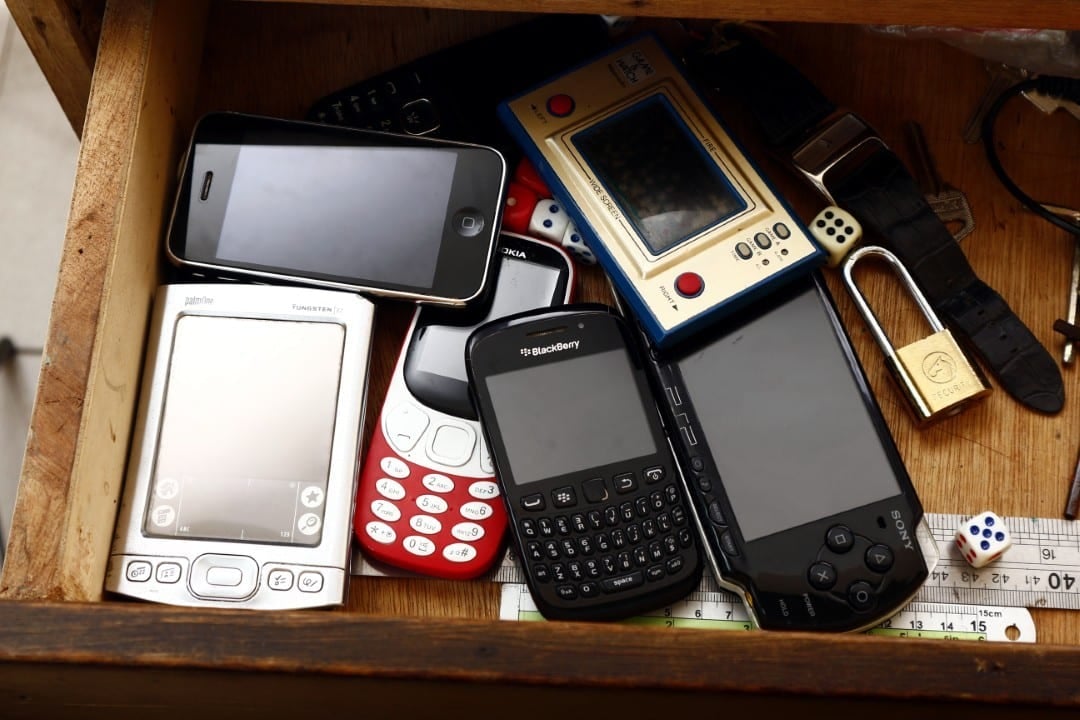
This month marks the end of an era for approximately 350,000 users on Brasil, with the discontinuation of so-called “feature-rich cell phones,” better known as flip phones or “feature phones.” The measure, driven by the evolution of telecommunications networks and technological obsolescence, will make these devices gradually unusable.
The transition represents a significant milestone in the history of mobile telephony, leaving behind devices that have been synonymous with innovation and style for years. Para Many people, the news evokes a wave of nostalgia, referring to times when mobile communication had characteristics and challenges that were very different from those of today.
The question “how many cell phones have you had?” reveals a personal journey through decades of technological advances. Essa radical change directly impacts a considerable portion of the population that still depends on these simpler devices, raising questions about adaptation and digital inclusion.
The end of an era in mobile telephony
The discontinuation of flip phones and other feature phones reflects the migration of operators to newer network technologies, such as 4G and 5G, to the detriment of the older 2G and 3G networks that supported these devices. Sem adequate support from network infrastructures, the functionality of these devices will be seriously compromised, culminating in their unusability.
This transition is not only technical, but also cultural, as these phones represented the first contact with mobile communication for millions of people. The simplicity of its functions, mainly focused on calls and text messages, contrasts drastically with the complexity and multifunctionality of current smartphones.
The affective memory of flip devices
Many adults today fondly remember the flip cell phones that marked their youth and early adulthood. Pessoas in their 40s, for example, often report having had more than ten devices throughout their lives. Souvenirs include models with large, round antennas that extended and were easily noticeable, a design unthinkable by today’s aesthetic standards. Aqueles were times when fragility was a common characteristic; Many flip phones “broke in half as soon as they opened the screen”, a reflection of the engineering of the time which, despite its limitations, retained a certain charm. Para these people, the cell phone was not just a means of communication, but a repository of memories and a true treasure of memories of a time that will never return.
Customization and legacy connectivity challenges
In the 2000s, customizing your flip phone was a popular pastime. Era It was common to see antennas that flashed lights in seven different colors, allowing users to express their individuality in a unique way. Essas small modifications were a reflection of the pop culture of the time, where exclusivity was valued in a world without the hegemony of smartphones.
Connectivity was also a challenge. The expression “three bars” or “maximum signal” was synonymous with strong radio waves, indicating good reception in times where signal was often poor, especially in areas such as the beach.
The explosive proliferation of cell phones in the 2000s brought with it new dilemmas, including the exorbitant costs of mobile internet. Não There were unlimited data plans, and using the internet to view photos or access specific content could generate astronomical bills.
The cost of the internet in the 2000s
Many vividly remember being scolded by their parents for exceeding internet usage limits on their flip phones. The plans were extremely expensive and limited, meaning that the bill could easily reach values between 40,000 and 50,000 yen (the equivalent of hundreds of reais at the time, considering parity and purchasing power).
For motorcycle lovers, for example, viewing photos online was an expensive pleasure. The need to control every megabyte consumed was a constant reality, contrasting drastically with the accessibility and abundance of data we have today.
Cell phones as an expression of identity
For many people, especially in their 30s and 40s, their cell phone was more than a device — it was an extension of their personality. Além of the colorful antennas, many personalized their devices with heavier, adorned straps, or stickers printed on the batteries, a basic item for young people at that time.
These practices highlight how individual expression was valued in a more limited technological context. The physical customization of devices was a way to stand out, something that today is more often done through covers, applications and digital interfaces.
The evolution of email and instant messaging
The popularity of e-mail exploded with the emergence of standard cell phones, especially with services such as i-mode, which allowed access to the internet and the exchange of messages. The expectation of “plugging in my i-mode phone and checking my inbox in the hope of receiving an email” was routine for many.
Expressions like “go get it”, referring to manually updating the inbox, today sound like a vestige of the past, incomprehensible to new generations accustomed to instant notifications. The frustration of sending “so many emails from Feliz Ano Novo that none arrived” was also common due to network overload, a problem overcome by the current capacity of communication systems.
The technological impact on remaining users
The imminent discontinuation of flip cell phones represents a significant challenge for the 350,000 users who still depend on these devices. Muitos could be elderly or people less familiar with more complex technologies, for whom the simplicity of a feature phone was ideal. The need to migrate to smartphones can generate additional costs, such as the purchase of new devices, and the learning curve to adapt to a more advanced operating system. It is crucial that there are initiatives to facilitate this transition, ensuring that no one is left behind in the digital advancement.
This change highlights the importance of digital inclusion, as mobile communication is today an essential tool for accessing services, information and even maintaining social ties. Adapting to new devices and functionalities will be a mandatory step for these users.
Transition to new communication standards
The current era of communication is dominated by smartphones, which offer an unparalleled range of functionality, from instant messaging and social networking apps to productivity and entertainment tools. The discontinuation of flip cell phones forces users to embrace this new reality, which, despite being complex, opens doors to a world of possibilities.
The transition involves not just replacing a device, but the adoption of a new communication ecosystem. Aplicativos voice and video, digital payments and easier access to information are just some of the advantages that smartphones offer, transforming the way we interact with the world.
For many, change can be scary, but support and information can make a difference. Familiarization with new interfaces and understanding the benefits of smartphones are important steps towards successful adaptation.
The historical relevance of feature phones
Despite their departure from the scene, flip phones and feature phones have played a crucial role in the democratization of mobile communication globally. Eles were the gateway to technology for millions, providing accessibility and a starting point before the smartphone boom.
Their simplicity, durability and lower cost made them ideal for a wide audience, contributing significantly to connectivity in different regions of the world. Eles paved the way for the digital age we live in today, teaching people to use mobile devices beyond speech.
The legacy of these devices lies in the way they shaped consumers’ expectations and habits, setting the stage for the smartphone revolution. The history of mobile telephony would not be complete without the chapter dedicated to these innovative and nostalgic devices.
