

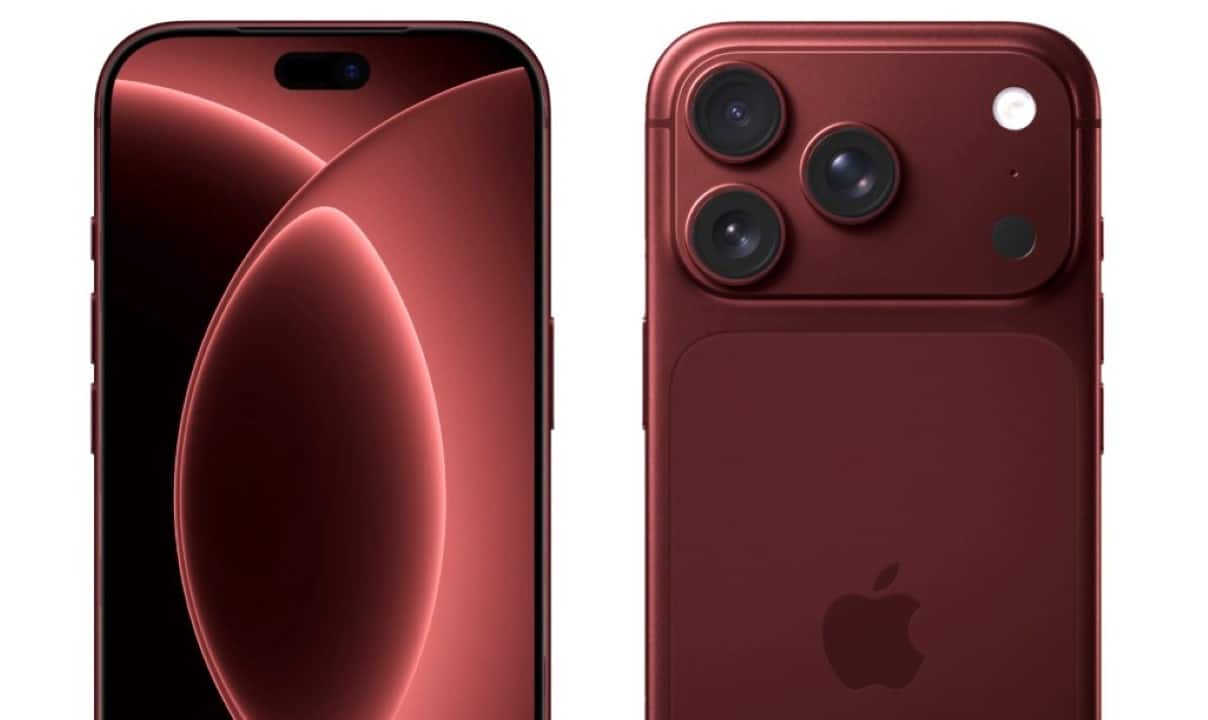
The North American technology manufacturer finalizes preparations for the introduction of a new generation of high-performance mobile devices on the global market. The launch of the next high-end device is scheduled for September, marking a profound structural change in the company’s assembly line. The current project involves the implementation of components visible to consumers and a significant leap in the equipment’s energy capacity.
The company’s hardware engineers are working on a design that incorporates a semi-transparent glass back panel, allowing partial visualization of internal components. Esta aesthetic change requires a complete reorganization of the motherboard, connectors and heat dissipation system. The internal structure becomes a prominent visual element, which demands high-precision finishes on parts that were previously hidden.
The development of this visual architecture brings complex challenges to the supply chain and final product assembly. The integration of a battery with a capacity greater than 5000mAh inside a translucent chassis requires the adoption of new protection and insulation materials. Engineering teams perform rigorous testing to ensure that exposure to light and heat does not degrade internal components over time.
Materials engineering and the new visual identity
The transition to a semi-transparent back panel represents a drastic change in the design language established by the brand in recent years. The use of reinforced glass with translucent treatment requires the application of specific chemical compounds to avoid yellowing of the material caused by continuous exposure to ultraviolet rays. The device’s durability also requires special attention, with the introduction of new metal alloys on the edges to absorb impacts and protect the integrity of the rear glass.
To achieve this aesthetic, the internal arrangement of the elements was completely redesigned. The cooling system, main logic board and memory modules received protective shields with a premium finish, as they will be partially exposed to users’ eyes.
The new structural design approach establishes strict requirements for the assembly line, including the following operational points:
– Aplicação of anti-reflective coatings on the internal surfaces of logic components to improve visibility through the glass.
– Substituição of traditional thermal adhesive tapes by polished graphene plates, which offer better conductivity and a uniform metallic appearance.
– Redução the use of visible screws on the motherboard, prioritizing magnetic and pressure fittings for a cleaner look.
Front panel and biometrics optimization
The dimensions of the screens will undergo subtle adjustments, with the standard high-performance model maintaining 6.3 inches and the enlarged screen version reaching 6.9 inches. The main front change lies in the partial hiding of the facial recognition sensors and the selfie camera under the organic light-emitting diodes display. Esta engineering modification allows for a reduction of approximately 35% in the area occupied by the upper cutout of the screen.
Reducing visual interference on the front panel expands the usable space for the operating system interface and for displaying multimedia content. Software developers are already working on adapting applications to take advantage of the new screen aspect ratio, adjusting dynamic notifications and system status icons to the expanded space at the top of the display.
Energy capacity and thermal dissipation
The autonomy of daily use receives the biggest update recorded in the history of the product line, with the adoption of power cells that surpass the 5000mAh mark. In specific larger size configurations, the total capacity reaches 5200mAh, designed to support the increased consumption generated by the new processors and advanced communication functions.
Accommodating a battery of unprecedented proportions required the permanent removal of the carrier chip tray in all global markets. The full transition to the virtual chip standard frees up vital physical space inside the chassis, allowing power cell expansion without drastically increasing the overall thickness of the mobile device.
Temperature management becomes a critical factor with the combination of an enlarged battery and a translucent back panel. The thermal architecture has been reformulated with the inclusion of a high-capacity vapor chamber, which works in conjunction with the graphene plates to dissipate heat generated during intense use.
Stress tests indicate that the new cooling system can maintain the processor’s operating frequencies at maximum levels for longer periods. Efficient dissipation prevents battery overheating and protects visible components from thermal damage, ensuring device longevity even under extreme workloads.
Advanced processing and artificial intelligence
The device’s processing core is powered by a new generation chip manufactured using 2-nanometer lithography technology. Este microscopic advance in the construction of transistors provides an exponential leap in calculation capacity, maintaining or even reducing energy consumption compared to the previous generation. The processor architecture was specifically designed to accelerate complex mathematical operations, vital for the functioning of neural networks and machine learning algorithms running locally on the device.
To support continuous data processing without relying on cloud servers, random access memory has been expanded to 12 gigabytes. Esta technical specification is fundamental to the fluid execution of large language models and image generators integrated into the operating system. The ability to process complex voice commands, translate languages in real time and analyze visual context through the camera occurs instantly, ensuring absolute privacy for user data, which does not need to leave the device.
Optical systems and satellite communication
The main photographic assembly receives a mechanical update with the introduction of a variable aperture system on the primary lens. Este physical mechanism allows precise control of the amount of light that reaches the image sensor, automatically adapting to environments with excessive lighting or challenging nighttime scenarios. Optical flexibility improves photographs’ natural depth of field and reduces reliance on excessive digital processing. Paralelamente to innovations in image capture, the device’s communication infrastructure expands satellite connection capabilities. The upgraded hardware supports the sending of heavier data packets, allowing users in remote areas without traditional cellular network coverage to make short voice calls and send compressed media files to emergency services. The extra-terrestrial communications antenna has been redesigned to capture signals more efficiently, reducing the time needed to establish a stable connection with satellite constellations in low orbit.
Production strategy and commercial positioning
Large-scale manufacturing of the main components is scheduled to begin in the second quarter of the year, ensuring the necessary volume of units for simultaneous launch in the main international markets. The high cost of research and development of translucent materials, added to the complexity of the new logic board and the increase in memory, indicates a repositioning in the equipment’s price list. The commercial strategy focuses on justifying the added value through extended durability, autonomous processing capacity and unique design that differentiates the product in the competitive luxury mobile device sector.