

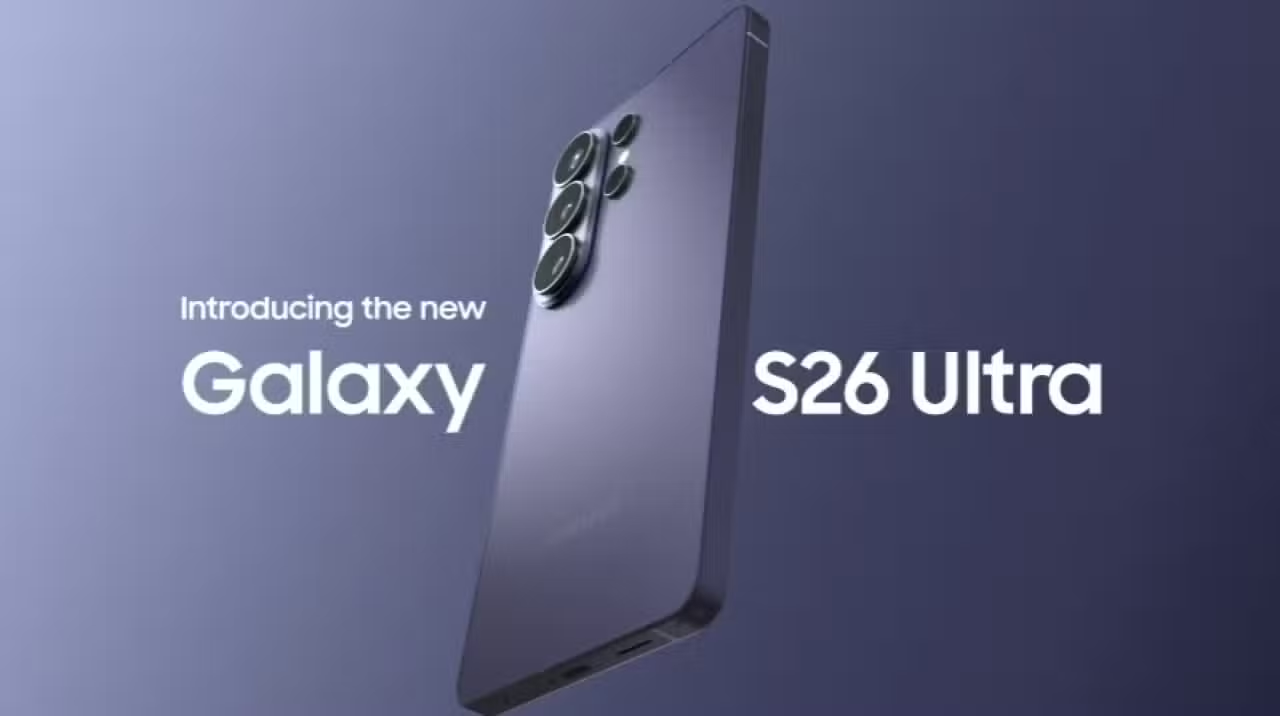
South Korean manufacturer Samsung faces a wave of questions from consumers after the launch of its new line of premium smartphones. The Galaxy S26 Ultra model, the brand’s flagship device, became the target of complaints due to the visual discomfort reported by several users during continuous use. The central problem lies in the OLED screen’s brightness control technology, which maintained technical specifications from previous generations without updates aimed at ergonomics.
Pulse width modulation, known technically by the acronym PWM, operates at a frequency of 480Hz in the new device. Essa rate is considered low by display experts and people with greater eye sensitivity, resulting in a flicker that is imperceptible to the naked eye, but captured by the neurological system. Prolonged exposure to this rapid blinking of light has led to frequent reports of extreme eye fatigue, severe headaches, and episodes of nausea.
Discomfort becomes more severe when the cell phone’s brightness is reduced, a common situation at night or indoors. The absence of a hardware update to increase this frequency frustrated part of the public who were waiting for improvements to the display of the company’s most expensive device, generating debates about the brand’s development priorities.
Consumer reactions to the screen lighting system
Reactions in technology communities and customer support forums show growing dissatisfaction with the manufacturer’s decision to ignore demands for greater visual comfort. Usuários who migrated from older devices or competing brands noticed a significant worsening in their tolerance for using their smartphones for reading or consuming media. Subconscious flickering directly affects the ciliary muscles of the eyes, which constantly try to adapt to rapid changes in light, causing real physical exhaustion after just a few minutes of browsing social media or reading long documents.
Specialists in ophthalmology and digital ergonomics point out that sensitivity to PWM varies drastically from person to person, which makes the problem invisible to some consumers, but disabling for others. The 480Hz level maintained in the Galaxy S26 Ultra creates a hostile environment for the human visual system in low-light scenarios, where light pulses are more spaced and aggressive. Buyers’ frustration is aggravated by the fact that the device belongs to the super premium category, where the most advanced and safe technologies available on the global electronic components market are expected to be implemented.
Technical difference between the South Korean line and competing brands
The Asian smartphone market has dictated new rules for visual health, distancing itself from the choices of Samsung. Fabricantes like Honor, OnePlus and Xiaomi have adopted PWM rates that easily surpass the 2000Hz mark in their recent launches aimed at the high-end segment.
This high frequency makes OLED screen flickering virtually undetectable to the human brain, almost completely eliminating symptoms of visual fatigue. Além superior hardware in this regard, these companies implement hybrid software solutions such as DC dimming, which controls the direct electrical current in pixels at higher brightness levels.
The technical discrepancy puts the Galaxy S26 Ultra at a direct disadvantage for consumers who prioritize ergonomics. The absence of native options to activate anti-flicker modes in the operating system restricts the user’s alternatives, forcing many to keep the brightness artificially high and use dark filters through third-party applications.
How pulse width modulation works in modern panels
Para To understand the technical root of the problem, it is necessary to analyze how OLED panels manage light emission. Diferente of old LCD screens, which had a constant backlight panel, each pixel of an OLED screen emits its own light. Reduzir the voltage sent to these pixels to decrease brightness can cause severe distortions in color reproduction and smears on the screen, a phenomenon known in display engineering as mura. To overcome this physical limitation of organic diodes, the industry has adopted PWM dimming. Essa technique consists of turning the screen on and off quickly; The longer the screen spends off in this millisecond cycle, the lower the brightness perceived by the human eye. The problem arises when this alternation occurs at low frequencies, such as the 480Hz of the Galaxy S26 Ultra. At Nessa speed, the brain can still register the light variation as a continuous stress, requiring constant neurological effort to process the image that appears stable, but is actually flashing hundreds of times per second.
Visual privacy versus eye comfort on the new display
One of the main innovations announced for the Galaxy S26 Ultra display was the introduction of the Privacy Display. Este hardware feature is designed to restrict side viewing angles, preventing people around from reading content displayed on the owner’s screen in public places.
The technology works through a specific arrangement of subpixels and polarization layers that direct light straight. However, this structural modification did not change the fundamental method of brightness control, leaving the pulse width modulation unchanged.
Technical reports indicate that the activation of Privacy Display can, paradoxically, intensify the perception of eye strain in sensitive individuals. Como the feature reduces the effective brightness that reaches the user’s eyes naturally, the system requires compensation in the panel lighting.
Independent laboratory testing has confirmed that flicker uniformity remains aggressive at all brightness levels with the privacy function activated. The lack of integration between visual data protection and eye health protection has sparked debate about the brand’s engineering priorities.
Software tools available to alleviate eye strain
The manufacturer’s operating system interface offers some palliative tools to try to mitigate daily discomfort. The Eye Comfort Shield feature works to reduce blue light emission, warming the screen tones according to the time of day, which helps regulate sleep, but does not interfere with the frequency of light flickering.
Another option present in the accessibility settings is the extra brightness reduction function. Users apply this dimming software layer while keeping the panel’s physical brightness above 50%, a range where flickering is typically less aggressive, serving as a temporary workaround for hardware limitation.
Medical guidance and practical tests for sensitive buyers
Eye health professionals recommend that people with a history of migraines, severe astigmatism or light sensitivity undergo rigorous testing before purchasing high-cost smartphones. The main guideline is to use the device in a physical store, reducing the brightness to less than 30% and browsing texts with a white background for a few minutes.
If the consumer feels eye pressure or is slightly dizzy, the purchase should be avoided. Using cameras from other cell phones pointed at the screen of the Galaxy S26
Market demand for visual health certifications
The pressure for safer displays has transformed certifications from independent laboratories, such as TÜV Rheinland, into essential requirements for new launches. Selos flicker-free operation attests that the device does not emit harmful pulses in any brightness range, ensuring ergonomic safety. The absence of these guarantees in devices at the top of the commercial chain raises questions about the standardization of the global industry. Consumidores demand that eye health be treated with the same importance given to camera resolution or processor speed, forcing a rethink in hardware development strategies for the next generations of mobile devices.