

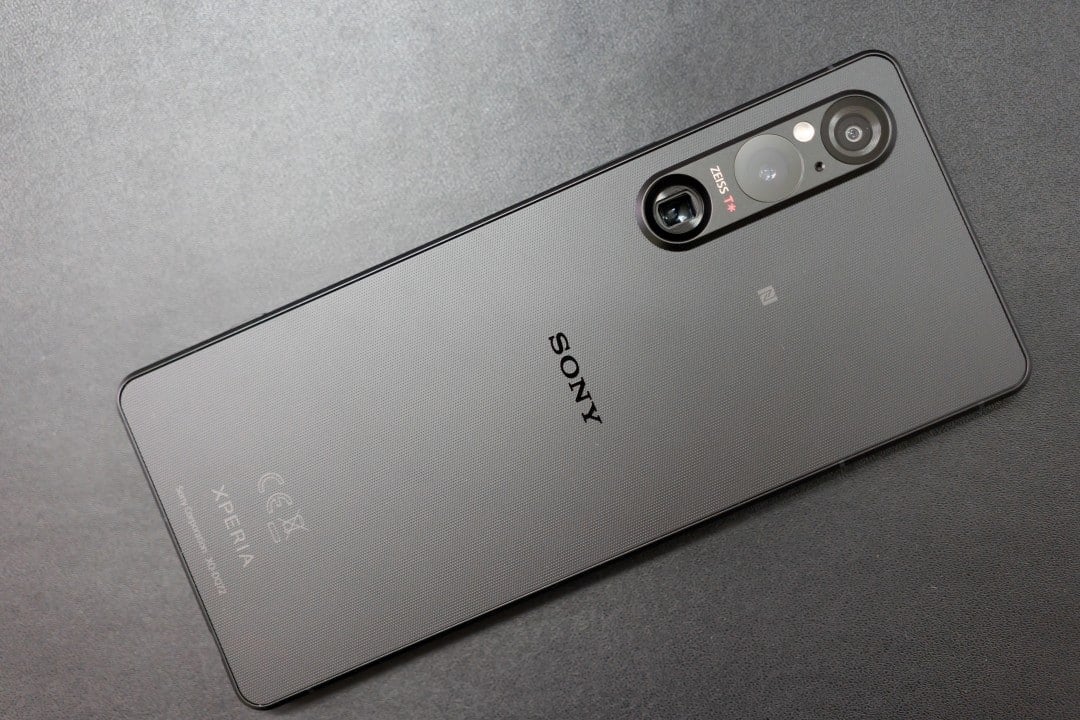
The recent releases of the Geekbench 6 scores reveal a significant disparity in performance between the Sony Xperia 10 VII, the latest mid-range model from the Sony, and the new releases from the Xiaomi, the POCO X8 The results, which became public on March 18, 2026, indicate a difference that raises questions about the value proposition of the Sony device.
Despite the models being in a relatively similar price range on the market, the discrepancy in performance numbers is so pronounced that it suggests a separation of technological generations. Consumidores who seek the best use of hardware for their investment can find data to be a solid basis for their decisions.
These benchmark tests are crucial to understanding the real processing and task execution capacity of smartphones, directly influencing the user experience in daily activities and, especially, in more demanding applications such as games and multitasking. Detailed score analysis provides a clear picture of each device’s capabilities.
CPU Benchmark Analysis Reveals Disparity
The initial comparison focused on CPU performance, measured by Geekbench 6, which is a robust indicator of devices’ central processing capabilities. The data reveals striking differences between processors.
The Xperia 10 VII, equipped with the Snapdragon 6 Gen 3, achieved approximately 1000 points in single-core tests and between 2800-2900 points in multi-core. Estes numbers place it firmly in the mid-range processor category.
In contrast, the POCO X8 Pro, which uses the Dimensity 8500 Este chipset is classified as upper mid to high category.
The POCO X8 Pro Max, in turn, with the Dimensity 9500s, achieved approximately 2600 points in single-core and around 8300 points in multi-core. Este level brings it closer to the top of the line models currently available on the market.
Graphics performance shows generational difference
The disparity in performance of the Unidade and Processamento Gráfico (GPU) is even more pronounced, with OpenCL/Vulkan tests revealing a gulf between the models. Essa difference directly impacts the experience in games and applications that require intense graphics rendering.
The Xperia 10 VII recorded between 2000-3300 points, a performance expected for a mid-range device. Contudo, POCO devices displayed numbers that surpass it considerably.
The POCO X8 Pro reached a range of 12,000 to 15,000 points. Já o POCO X8 Pro Max stood out even more, with scores ranging from 19,000 to 21,000 points. Essa performance represents a difference of up to 6 to 7 times compared to Xperia 10 VII.
This huge difference is not restricted to mere reference numbers. Ela translates directly into crucial aspects of the user experience, such as frame rate in 3D games, device stability under high processing load, and resistance to overheating during prolonged usage sessions.
Head-to-head market pricing
The price analysis reinforces the discussion about the cost-benefit of the devices. The market values for the models in question, as published, are:
It is notable that the POCO X8 Pro Max, which offers significantly superior performance, has a retail price that is very close to the Xperia 10 VII. For a similar price, consumers can purchase a POCO device with:
This disparity in performance numbers in relation to price suggests an imbalance in the value assessment of the Xperia 10 VII compared to its direct competitors in the POCO line.
Technical divergence at the heart of the devices
The main reason for this substantial difference in performance lies in the class of SoCs (System-on-a-Chip) used in each device. Essa choice of components is the determining factor for the raw processing and graphics capacity of smartphones.
The Snapdragon 6 Gen 3 of the Xperia 10 VII is, in fact, a mid-range processor, designed to balance cost and functionality. In contrast, the Dimensity 8500 present in the POCO X8 Pro is categorized as mid-high range to almost high-end, offering a considerable leap in power.
The POCO X8 Dimensity 9500s Pro Max clearly belongs to the main class, that is, top of the line. Geekbench 6 is a benchmark where double the score generally means double the performance, validating the perception that this difference directly translates into a noticeably different user experience.
Cost-benefit evaluation of Xperia 10 VII
Detailed analysis of the Geekbench 6 scores and price comparison leads to a clear conclusion: there is a huge difference in performance in the same price range. The performance of the Xperia 10 VII’s GPU, in particular, positions the device at a different generation level compared to POCO models.
The POCO X8 Pro Max, for example, delivers performance that competes with the best on the market, for practically the same price as the Xperia. Tal scenario puts the Xperia 10 VII in an unfavorable position, being perceived by many as “too expensive for the performance it offers”.
Strengths and weaknesses of each model
Despite the challenges in terms of performance and cost-benefit, the Xperia 10 VII has qualities that can attract a specific audience. Entre its potential strengths, the following stand out:
However, in terms of pure performance and value for money, POCO products prove to be the undisputed winners in this comparison. Para users who prioritize performance and seek maximum return on investment when choosing a smartphone, the difference revealed by benchmarks is a factor that cannot be ignored.