

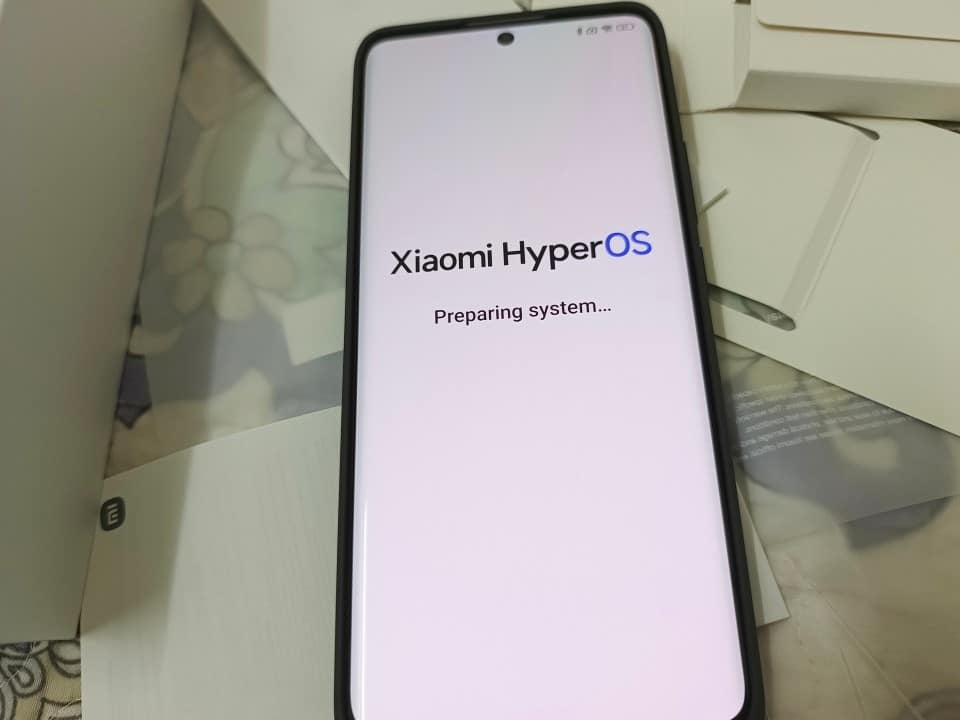
The Asian technology manufacturer has started the process of releasing the stable version of its latest mobile user interface in the Chinese market. The software package initially arrives for the brand’s line of high-performance smartphones and tablets, marking an important transition in the company’s digital ecosystem. The update aims to unify the user experience across different screen formats, establishing a new navigation standard for the company’s consumers.
The development of this update had as its main focus operational fluidity and communication between different devices for daily use. The company structured the system to meet contemporary productivity demands, changing the way devices manage background tasks and interact with external accessories. The source code has been rewritten to optimize battery consumption, ensuring that new features operate without taxing the phones’ hardware.
Implementation occurs in a staggered manner, prioritizing the most robust hardware before reaching the complete portfolio. Após the consolidation of this initial phase on the Asian continent, the company plans to expand the availability of the software to the global market, reaching millions of consumers around the world. The distribution schedule was designed to avoid server congestion and ensure a safe transition for all user profiles.
Advanced integration with external ecosystems
Breaking down barriers between competing platforms represents one of the most significant advances in this new version of the operating system. The software engineering team has dedicated substantial efforts to ensuring that the brand’s devices can communicate natively and efficiently with devices manufactured by other companies, eliminating the need for third-party applications for basic functions. Essa multiplatform approach facilitates the routine of consumers who do not maintain exclusivity with a single manufacturer, allowing centralized management of accessories and notifications directly through the phone’s main interface, which optimizes time and simplifies day-to-day digital management.
A technical highlight is the direct communication with Apple headphones. The system now displays quick connect windows on the home screen as soon as accessories are detected nearby, recognizing the device instantly.
Audio controls have also been incorporated into the smartphone’s native panel. Entre the functions available to users are:
- Real-time monitoring of the battery level of the headphones and charging case.
- Activation and deactivation of active noise cancellation directly through the Bluetooth settings.
- Synchronization of incoming calls on iPhones, allowing calls to be answered via the Chinese device.
- Unified reading of verification codes via SMS between two different operating systems.
Artificial intelligence and image capture tools
The digital photography department received updates aimed at content creators and audiovisual professionals. The native camera app now supports the download and instant application of color lookup tables, speeding up the visual grading process when recording high-resolution videos. Isso allows files to leave the phone with a cinematic appearance, reducing the time needed for editing on computers.
In the field of artificial intelligence, the system’s voice recorder has been integrated with an advanced virtual assistant with cloud processing capabilities. The tool can analyze hours of audio to generate accurate automatic transcriptions, create structured summaries of key points and answer specific questions posed by the user about the recorded content, operating as a personal digital archivist for meetings and lectures.
Graphic optimization and navigation fluidity
The restructuring of the source code resulted in noticeable improvements in the overall responsiveness of the graphical interface. Animations for transitioning between applications, opening menus and scrolling pages have been redesigned to operate at a higher frame rate, eliminating visual stuttering during intense processor use. The system now allocates memory resources more intelligently, prioritizing the application that is currently in use.
The photo gallery application has received a new indexing algorithm that speeds up the search for images stored locally or in the cloud. The user can locate old files using natural text descriptions, thanks to background processing that catalogs the visual elements of each photograph, identifying landscapes, objects and faces without the need for prior manual marking.
For the brand’s tablets, the work area layout has undergone structural modifications that make better use of the usable space of large screens. The new organization facilitates the use of multiple simultaneous applications in floating windows, bringing the user experience closer to that of a traditional personal computer, which favors the creation of documents and spreadsheets on the go.
Digital protection and accessibility mechanisms
Digital inclusion gained prominence with the implementation of an interface mode dedicated to senior citizens and people with visual limitations. When activating this setting, the operating system automatically resizes the typography of all menus, enlarges application icons on the home screen and increases color contrast to facilitate reading in high-light environments. Gesture navigation can also be replaced by larger, more responsive virtual buttons, reducing the learning curve for users less familiar with touch screens and ensuring autonomy in daily use of the device.
In parallel to the ergonomic adaptations, telephone security was reinforced with a native filter against fraud and unwanted calls. The system uses a database updated in real time to automatically identify and block calls coming from abusive telemarketing centers or numbers associated with financial scams. Essa protective barrier acts silently, preventing the phone from ringing when a threat is detected, which guarantees greater peace of mind for users and drastically reduces the risks of social engineering targeting demographic groups most vulnerable to this type of approach.
Update schedule structure
The distribution strategy for the new software follows strict batch release planning. The method chosen by the manufacturer aims to mitigate risks of large-scale instability, allowing the quick correction of any failures before the code reaches the entire installed base.
The company’s servers begin sending data packets silently to eligible devices. The user only receives a notification when the file is completely downloaded and ready for installation, avoiding excessive consumption of mobile data.
The division by processor families dictates the rhythm of the official system update calendar. Equipamentos launched in the last twelve months have absolute priority in the server queue, followed by premium models from previous generations.
The brand also confirmed that subsidiaries operating under different names in the international market will follow a parallel schedule. Regional adaptations of the software require specific certifications from local operators before definitive public release.
First stage of official release
The inaugural batch of updates is already underway and includes the manufacturer’s hardware elite. Owners of this equipment are the first to receive installation packages via the internet.
- Premium appliances: Complete Linha of model 17, including versions Ultra Leica Edition, Pro Max, Pro and the standard edition.
- High-performance series: Modelos K90 Pro Max and K90, planned for the global market under the POCO brand.
- Large screen devices: Eighth generation Tablets in Pro and conventional variants.
Second phase of software expansion
The expansion of the user base follows, encompassing devices that led the company’s portfolio in the previous commercial cycle. Esta step tests the backward compatibility of new functions with slightly older processors.
The market for devices with flexible screens is also on the update radar at this time, requiring specific interface adaptations for the foldable format.
- Premium previous generation: Família 15 complete, encompassing versions Ultra, S Pro, Pro and the base model.
- Flexible equipment and tablets: Dispositivo Mix Flip 2 and the brand’s entire seventh generation of tablets.
- Focus on processing: complete Linha K80, in addition to the models Turbo 5 Max, Turbo 5 and the K series tablet.
Third wave of distributions
The penultimate stage of the official calendar marks the arrival of the operating system to a massive portion of consumers who use premium mid-range and high-end devices from previous cycles. Esta phase is considered critical by the engineering department as it involves a much wider variety of hardware combinations, camera sensors from different vendors, and varying battery capacities. Code optimization needs to be precise to ensure that new artificial intelligence tools do not cause degradation in the energy autonomy of these equipment, maintaining the promise of fluidity without compromising daily usability and the internal temperature of components during charging.
- High standard classic models: Família 14 in its entirety, with emphasis on the special edition with titanium chassis.
- Different formats: Aparelhos MIX Fold 4, original MIX Flip and the selfie-focused model Civi 5 Pro.
- Advanced intermediates: Toda to K70 series, including the version that operates on the global market under the nomenclature 14T Pro.
- Focus on cost-benefit: Linha Turbo 4, complete Note 15 family and the Pad 2 Pro tablet.
Closing the update cycle
The closing schedule covers the manufacturer’s most popular base, including entry-level phones and older models still officially supported. The goal is to unify the visual language of the entire active ecosystem.
Final distribution requires servers to operate at capacity to serve millions of simultaneous requests around the globe, completing the transition process.
- Veteran devices: complete Linha 13 and the folding MIX Fold 3.
- Sales volume devices: Séries K60, Turbo 3 and the extended Note 14 and
- Entry models: Variantes 15R 5G, 14R 5G, 14C and the Pad Pro line of tablets.