

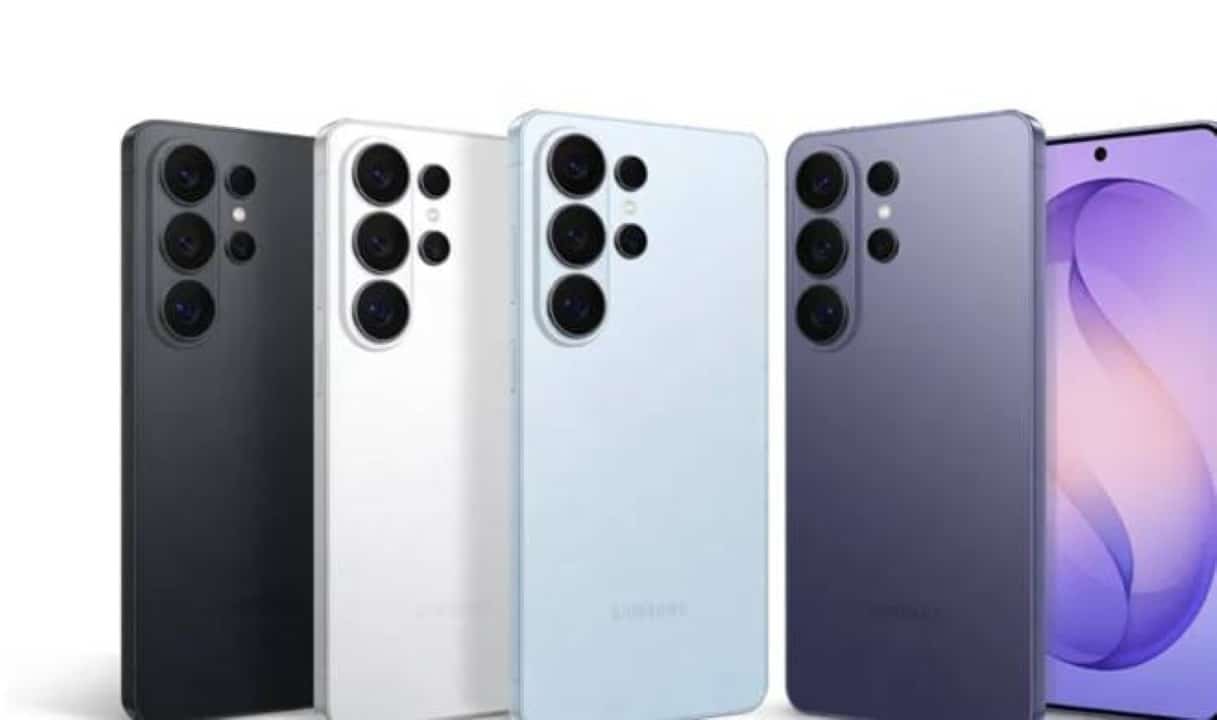
The launch of South Korea’s latest high-end smartphone has sparked an unforeseen wave of returns in major global mobile technology markets. Compradores of the new device began reporting significant display issues immediately after initial setup of the newly purchased devices. The dissatisfaction is directly linked to the implementation of a physical privacy layer built into the display, designed to block side views and increase the security of displayed data. However, the hardware change resulted in a compromised daily use experience, with the screen showing washed out colors and reduced brightness even when viewed from the front. The volume of complaints quickly escalated on technology forums and customer support platforms. The situation forced retailers and operators to review their reverse logistics protocols to accommodate unusual demand and process refunds.
Reports indicate that visual distortion affects routine and essential operating system tasks and daily use. Reading barcodes in payment applications, authenticating in banking systems and viewing media outdoors have become difficult processes for a considerable number of owners.
To mitigate immediate inconvenience, hardware experts point out specific characteristics of the problem reported by first buyers during continuous use:
– Restricting the viewing angle affects the overall brightness of the panel in bright environments.
– The polarizing filter distorts color fidelity at minimal inclinations of the device.
– Biometrics reading under the screen is unusually slow due to the physical barrier.
Privacy Technology’s Impact on Everyday Usability
The engineering behind the new panel utilizes a light-controlling film positioned above the array of organic light-emitting diodes. Esta structure works like a microscopic shutter, directing the light emission strictly forward and blocking the lateral scattering that normally occurs in conventional screens.
The technical objective was to ensure that only the individual positioned at an exact angle of ninety degrees in relation to the display could read the content clearly. In practice, light limitation requires the user to hold the device in a perfectly straight position, causing visual fatigue and ergonomic discomfort during prolonged use sessions.
Increase in reverse logistics fees in retail
Major retail chains and e-commerce platforms saw a spike in return requests within the first forty-eight hours after initial deliveries. The predominant reason listed on return forms is a suspected manufacturing defect in the screen, indicating a miscommunication about the product’s features.
Many consumers believed they had received units from a defective batch, publishing images that demonstrated the loss of contrast and darkening of the edges. The lack of clear prior communication about the expected behavior of the privacy display aggravated the perception of technical failure on the part of the consumer public.
Specialty stores needed to quickly train their customer service teams to explain the nature of the hardware to dissatisfied customers at the counter. The sorting process for returned devices was modified to separate devices in perfect working order from those with real manufacturing anomalies, optimizing the return flow.
Manufacturer’s response and optimization attempts via software
The manufacturer’s development team initiated an internal investigation to assess the extent of user dissatisfaction and possible mitigation paths. The first approach consisted of developing a system update focused on color calibration and dynamic brightness management to compensate for light loss.
Software engineers tried to compensate for the physical dimming of the panel by forcing brightness peaks in specific situations, such as high-definition video playback. Algoritmos of image processing were adjusted to saturate the primary colors, seeking to nullify the grayish effect caused by the integrated privacy filter.
Despite efforts at the operating system level, the limitations imposed by a physical hardware barrier have proven difficult to overcome with lines of code alone. The forced increase in brightness resulted in accelerated battery consumption, generating an unwanted side effect for users who require high energy autonomy.
The company is now evaluating the financial and image impact of maintaining this technology on future global production lines. The volume of returns could force a review in the design of future smartphone iterations, prioritizing traditional visual clarity over safety from prying eyes in public environments.
Comparison with previous generations of mobile displays
Models launched in previous years focused heavily on expanding viewing angles and colorimetric accuracy, setting a high market standard for the premium category. Consumers became accustomed to vibrant screens that could be viewed seamlessly even when the device was resting on a table or tilted during casual use. The abrupt transition to a directional panel shattered this expectation built over a decade of advances in active matrix displays. The noticeable difference between the current model and its immediate predecessor has become the main argument in technical analyzes published by mobile hardware experts, who point to a setback in the overall usability of the equipment.
The semiconductor and display industry had been treating visual privacy as an optional accessory, generally sold in the form of films that can be applied by the user as needed. Native integration of this layer represented a risky bet on changing standard consumer behavior. The corporate market, the primary target for this security innovation, showed interest, but the sales volume is supported by the general public, who prioritize media consumption and unrestricted usability. The discrepancy between the project’s intention and public reception highlights the complexity of changing basic functions consolidated in the routine of smartphone owners.
Adaptation of exchange policies on digital platforms
E-commerce needed to restructure its sales interfaces and regret policies to deal with the mass return of a high-value-added product in a short space of time. Plataformas of online sellers placed prominent notices on product pages, alerting potential buyers to the unique features of the privacy screen before checking out the shopping cart. Essa medida preventiva visa reduzir o custo logístico do transporte de ida e volta, além de evitar a depreciação do aparelho, que passa a ser classificado como item reembalado após a abertura do lacre original da fábrica. Automated customer service systems were reprogrammed to identify keywords related to the dark screen and direct the customer to explanatory articles on how the hardware works, trying to avoid immediate returns. The rapid readaptation of digital retail demonstrates the agility necessary to absorb reverse demand shocks without compromising the operational profit margin in large-scale launches, maintaining the stability of commercial operations.
Quality monitoring on assembly lines
The factories responsible for the final assembly of the devices intensified quality control tests on subsequent batches to avoid additional variations. Inspetores Automated optics have been recalibrated to measure the uniformity of light emission through the privacy filter, ensuring that brightness variations remain within the strict tolerance specified by the original engineering design.
Reactions from the accessories and protective films market
Independent smartphone accessory manufacturers have identified an unexpected market opportunity due to the new directional display architecture. Empresas in the industry have begun to develop corrective films that promise to refract light in a way that slightly widens the viewing angle restricted by the phone’s original hardware.
The development of these third-party solutions comes up against the optical complexity of overriding a physical filter without compromising the screen’s touch sensitivity. The demand for traditional accessories, such as common tempered glass, suffered a retraction in this specific model, changing the sales dynamics in mobile phone supply stores.