

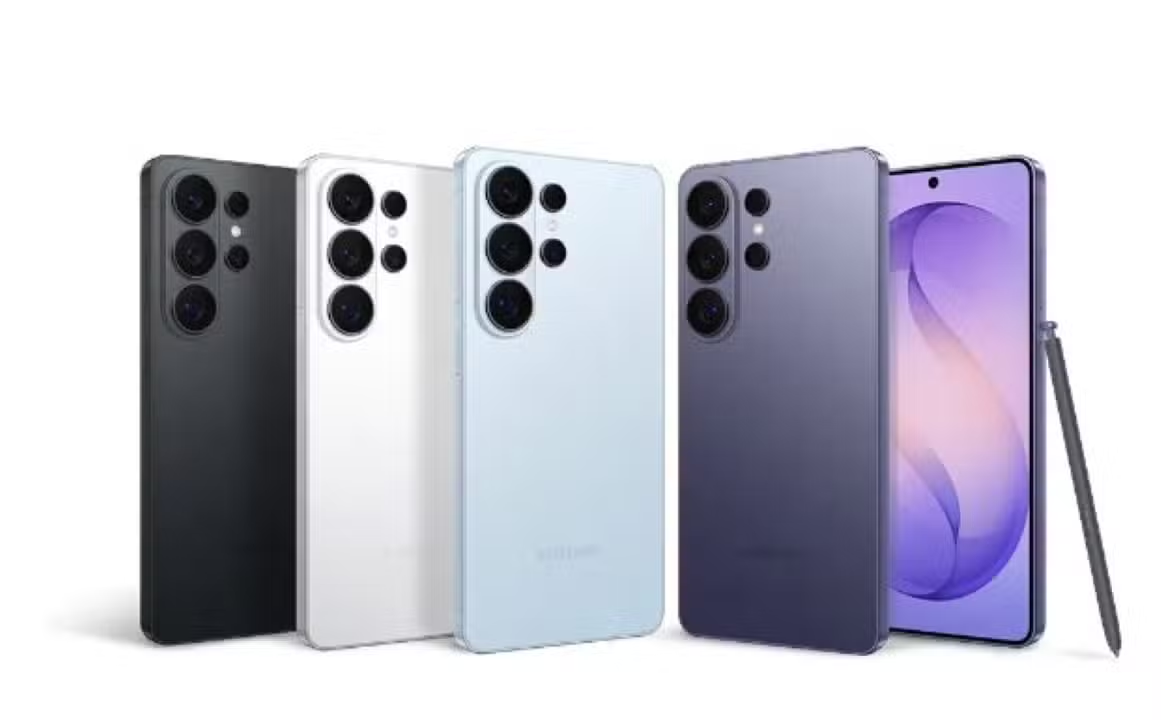
Users of the Samsung Galaxy S26 Ultra are returning the device in significant quantities in stores. The main reason reported involves prolonged visual discomfort when using the display. Muitos consumers report experiencing rapid eye fatigue, headaches and even nausea after extended periods of smartphone use. The phenomenon occurs mainly indoors and with continuous use of applications or browsing.
The problem is highlighted in forums and online communities specializing in technology. Relatos indicate that discomfort persists even after adjustments to brightness and display mode settings. Alguns users highlight that the symptom intensifies in low light situations or when reading texts on the device for a long time.
Low PWM frequency as the main factor
The pulse width modulation (PWM) frequency of the Galaxy S26 Ultra display is 480 Hz. Esse value is considered low when compared to direct competitors in the premium segment. Marcas such as HONOR, OPPO, Xiaomi, Realme and OnePlus adopt higher frequencies, often above 1920 Hz, or implement techniques such as DC dimming to minimize noticeable flickering.
This configuration results in subconscious flickering that mainly affects people sensitive to the variation in light emitted by the OLED screen. Estudos doctors point out that frequencies below certain levels can worsen symptoms such as photophobia and migraines in predisposed individuals. Reported discomfort includes blurred vision and a feeling of sensory overload after continued use.
Users sensitive to PWM describe the effect as an invisible pulsation that causes strain on the eyes. The problem is not limited to a small group, as reports multiply in recent discussions on networks and forums dedicated to the Galaxy line.
In-display privacy feature contributes to complaints
The new Privacy Display feature, designed to limit viewing angles and protect content in public environments, also receives criticism. Quando activated, the screen shows noticeable changes in sharpness and brightness depending on the viewing angle. Alguns consumers report that the effect partially persists even with the function deactivated, suggesting characteristics inherent to the panel.
The feature aims to increase privacy by reducing side visibility. However, in practical testing, it causes additional dimming and changes in color saturation. Consumidores who share the screen with people next to them notice distortions that make it difficult to read together. The combination of this mechanism with the low PWM frequency amplifies discomfort for some users.
Reports of varied symptoms among consumers
Headaches appear after 30 to 60 minutes of continuous use in many cases. Ocular Fadiga manifests as burning or a feeling of heaviness in the eyelids. Alguns mention mild dizziness or nausea, symptoms that disappear when you stop using the device and return to previous models in the same line.
Not all owners face the problem to the same extent. Parte of users praise the overall quality of the display under normal conditions and say they do not notice significant flickering. Individual sensitivity to PWM explains the variation in reports, with more affected individuals opting to return within the legal deadline.
Comparison with previous models and competitors
Displays from past generations of Samsung had higher PWM frequencies in some cases. Current Concorrentes prioritize high values to reduce similar complaints. The Galaxy S26
Users compare visual comfort with devices from other brands that use continuous dimming. The difference becomes evident in prolonged sessions of media consumption or work. Devoluções occur mainly in physical and online stores with flexible return policies.
Opções para mitigar o desconforto no uso diário
Ajustes manuais de brilho e ativação de modos de conforto visual ajudam parcialmente alguns consumidores. Aplicativos de terceiros que forçam dimming alternativo são testados por usuários avançados. No entanto, essas soluções não eliminam o flickering inerente ao hardware em todos os cenários.
Manter o brilho em níveis médios a altos reduz a percepção do PWM em muitos casos. Evitar uso em ambientes escuros também minimiza os sintomas relatados. Apesar of the adaptations, a significant proportion prefer to return the device in search of alternatives with more comfortable screens for prolonged use.
Returns on the rise and monitoring the issue
The volume of returns has grown since the recent launch of the model. Lojas register an increase in exchanges motivated exclusively by the display. The situation remains under observation over the next few weeks to assess whether the phenomenon is widespread or limited to a sensitive group.
Affected consumers look for alternatives within the Android ecosystem or wait for possible software updates. The case highlights the importance of visual compatibility on premium flagships. The user experience with the display remains central to purchasing decisions in the segment.