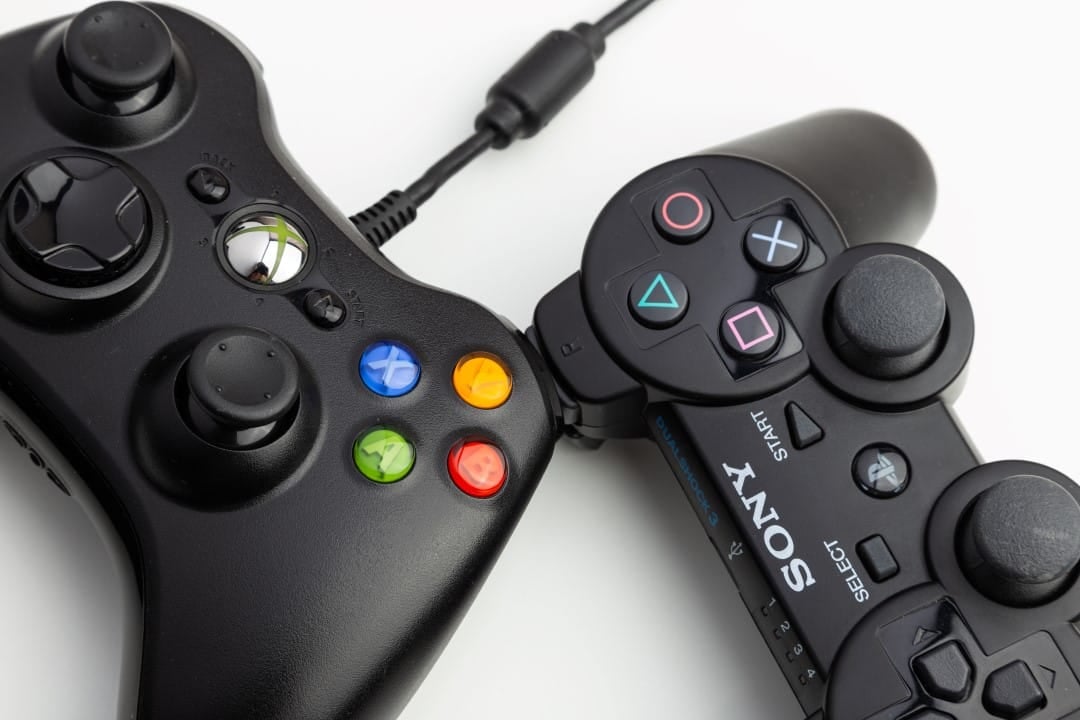
GameStop, the world’s largest gaming retailer, has officially announced the reclassification of the PlayStation 3, Xbox 360 and Wii U as retro consoles. The decision took place in March 2026 and is part of a campaign to encourage the exchange of old items. The measure generated reactions among players who grew up with these devices, many of whom expressed surprise at how quickly time passed.
The announcement came through an official statement from the company, which detailed its own criteria for categorization. The inclusion of these consoles in the retro segment allows customers to exchange units, games and related accessories with additional benefits for a limited time.
Criteria adopted by the network for the new classification
GameStop established specific indicators to define the retro status of devices. Entre they are the presence of component cables in the original connections, the impossibility of running current games like Fortnite and the fact that two of the consoles were launched during the government of George W. Bush, between 2001 and 2009.
The PlayStation 3 arrived on the market in 2006, and the Xbox 360 in 2005, both within this presidential period. Já o Wii U was launched in 2012, during the administration of Barack Obama, which raised questions about the consistency of the rule. The company adopted a flexible approach, prioritizing technical and historical aspects to expand the category.
Exchange promotion drives the initiative
The reclassification comes with a promotional offer valid until March 21, 2026. Clientes who deliver PlayStation 3, Xbox 360, Wii U or older items receive an extra 10% in exchange credit. The policy now accepts defective consoles or those with cosmetic wear, as long as they turn on and function minimally.
This flexibility expands the reach of the campaign and encourages the recycling of old hardware in the chain’s physical stores. The action aims to move the stock of retro products and attract nostalgic consumers.

Reactions from the gaming community around the world
Players expressed surprise and nostalgia on social media and specialized forums. Muitos highlighted that 20-year-old consoles, such as the PS3 and Xbox 360, seem recent in affective memory, while the Wii U, 14 years old at the time, surprised by its early inclusion in the retro list.
Frequent comments mentioned the aging feeling of seeing these systems next to older devices like the Sega Saturn and Nintendo DS. The news quickly went viral, with debates about what defines a console as retro in the current era.
Iconic titles that marked an era on consoles
The PlayStation 3 received games such as Metal Gear Solid 4, released in 2008, and Demon’s Souls, from 2009, which helped to consolidate the hardware as a platform for innovative experiences. Esses titles explored advanced graphic and narrative capabilities for the time.
Xbox 360 stood out with Halo 3 in 2007 and Gears of War in 2006, which boosted online multiplayer and set standards for the third-person shooter genre. The console’s library has influenced generations of gamers.
The Wii U brought Splatoon, launched in 2015, and Mario Kart 8, from 2014, which took advantage of the device’s innovative gamepad and family focus. Apesar from modest sales, these games gained relevance over time and ports to later platforms.
Evolution of the retro concept in the games market
The definition of retro varies depending on the context and generation of the player. Consoles, launched two decades ago, already competes with older systems in collecting and cultural preservation. GameStop opted for humorous and practical criteria to update its internal policy.
The campaign reinforces the nostalgic value of these devices, which still attract enthusiasts for their exclusive libraries and unique mechanics. Muitos keep the original units to relive classic experiences.
Impact on preservation of old hardware
The acceptance of consoles in varying conditions facilitates the circulation of parts and maintenance by independent communities. Jogadores who preserve these systems contribute to the history of video games, keeping alive the memory of an era of technological transition.
GameStop’s initiative highlights how the market reacts to the rapid evolution of the sector, where seventh and eighth generation consoles are already entering the historic category.
