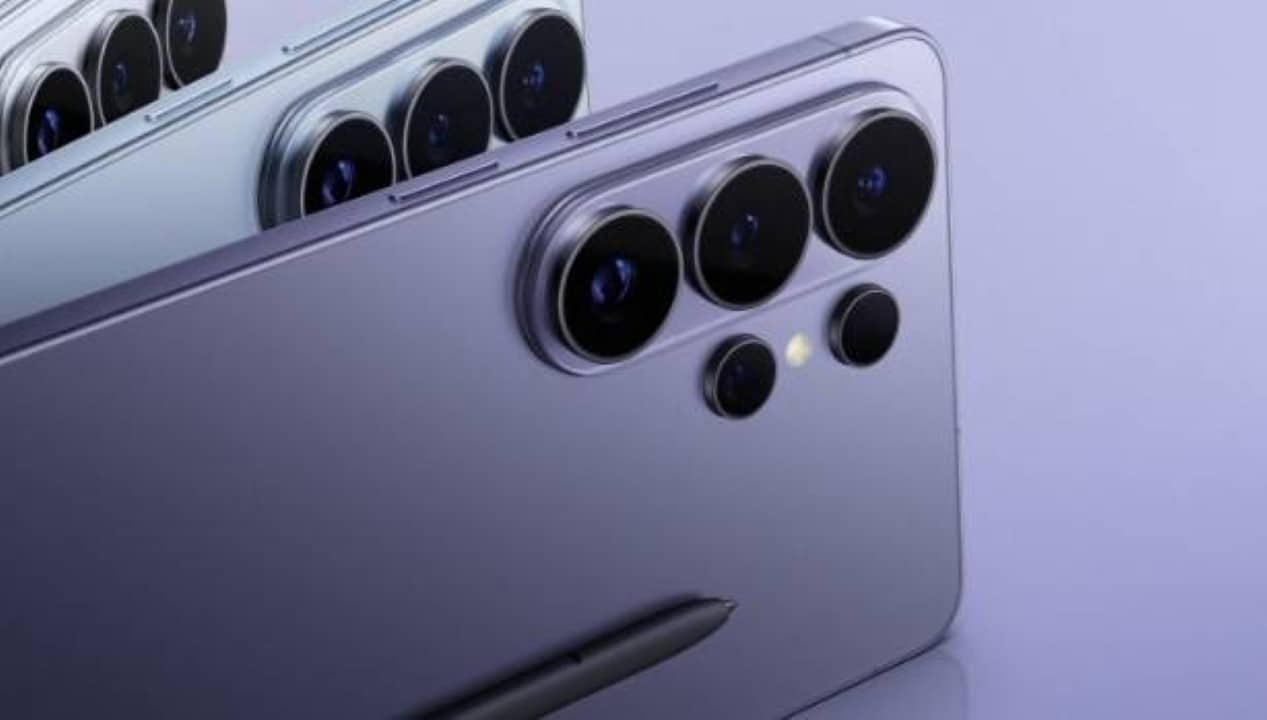
Samsung has officially confirmed that the new privacy screen system on the Galaxy S26 Ultra causes a slight degradation in the overall visual quality of the device. The feature, which was presented as the main technological differentiator of this generation, requires physical changes to the panel structure to prevent people around from viewing the content. Analistas technicians and users had already noticed inconsistencies in sharpness when compared to the previous model in the line.
The hardware adjustment was necessary to accommodate the layers that block lateral viewing angles, which ends up interfering with the passage of light and the original definition of the pixels. Mesmo with the functionality disabled, the construction of the display remains different from the brand’s conventional high-fidelity standards. The manufacturer’s statement seeks to align the expectations of the consumer market in the face of criticism about the texture of the image.
Below are the main technical points identified in laboratory tests recently carried out on the hardware:
- The pixel structure of the Galaxy S26 Ultra presents a different organization from the Galaxy S25 Ultra to enable visual blocking.
- When privacy mode is active, the system electronically turns off about half of the available pixels to darken the side view.
- Maximum brightness and chromatic variation undergo noticeable changes when the device is tilted at specific angles by the user.
- There is a residual grain size in the image that was not present in the generations that used pure Dynamic AMOLED panels.
Structural changes to the Galaxy S26 Ultra panel
The engineering behind the South Korean giant’s new top of the line prioritized data security and user discretion in public environments. Para For vision blocking to work effectively, Samsung needed to implement a microscopic physical barrier integrated into the liquid crystal itself and the lighting layers. Essa technological choice differentiates the model from software solutions that only darken the interface without offering real protection against prying eyes.
Hardware experts point out that color fidelity was sacrificed by a small margin to ensure that the viewing angle was drastically reduced on demand. In previous generations, the absolute focus was on total transparency and dynamic range of light, features that now share space with privacy functionality. The company reiterated that the security benefit offsets the technical variation observed in bench testing and everyday use.
Impact on usage experience at maximum brightness
Samsung explained that the variation in quality is most noticeable when the device is operated at very high brightness levels or in direct sunlight. Under Nestas conditions, the refraction of light in the inner layers of the privacy screen creates a perception of less sharpness to the trained human eye. The brand maintains that, for the vast majority of daily tasks, such as browsing social networks and reading emails, the visual impact is considered negligible and does not compromise usability.
The official positioning came after technical reports indicated that the screen structure of the Galaxy S26 Ultra appears “inferior” to that of its predecessor in terms of pure clarity. The manufacturer argues that the design has been optimized to provide a vivid visual experience in normal use cases, maintaining the luxury standard of the Ultra line. The debate now turns to the balance between functional innovations and maintaining the technical supremacy in screens that the brand has always boasted.
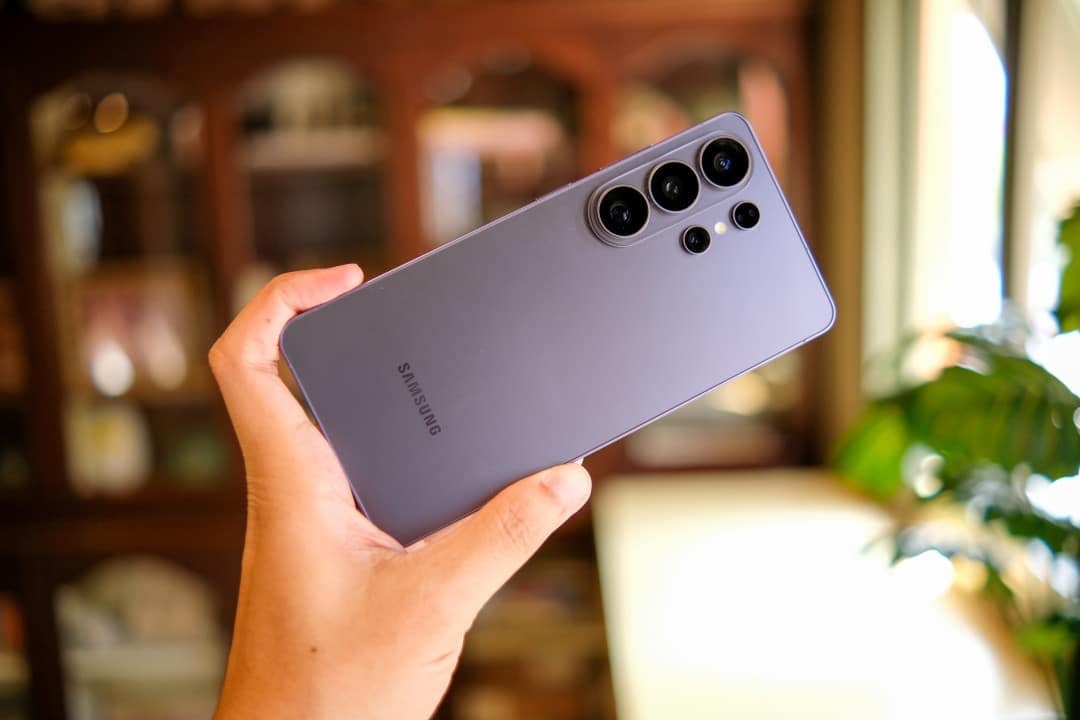
Technical comparison between generations of the Ultra line
When observing the panel under a microscope, it is possible to notice that the subpixel matrix has undergone a reconfiguration to allow the light to be directed only in front of the user. No Galaxy S25 Ultra, light dispersion was uniform, ensuring perfect colors from any angle, something that has changed drastically in the current release. Essa change is what causes a slightly less “clean” image to feel when the privacy feature is on standby or turned off.
The decision to sacrifice part of the display’s raw performance to deliver an unprecedented feature marks a change of stance in the Samsung development line. Anteriormente, the company avoided any modifications that could score negatively in third-party image quality tests. With the introduction of Privacy Display, the priority became a practical utility that solves the problem of data exposure in busy locations.
Visual blocking technology specifications
The system works through a light control layer that acts like an electronic shutter invisible to the eye when it is not in full operation. Quando activated, this layer polarizes the light output in such a restricted way that only those positioned exactly in front of the device can interpret the information. The cost of this precision is a reduction in the panel’s total transmittance, which requires more energy to achieve the same brightness levels as before.
- Slightly higher power consumption to compensate for the physical light barrier on the panel.
- Reduction in white consistency at angles greater than 30 degrees in relation to the central axis.
- Need for specific software calibration to mitigate the “dirty screen” effect reported by enthusiasts.
- Maintaining the 120Hz variable refresh rate despite the physical restrictions of the new layer.
Manufacturer’s response to consumer perception
Samsung stated that it constantly monitors feedback from its global customers and that innovation always brings engineering challenges that need to be communicated. Segundo the company, the objective of the Galaxy S26 Ultra is to be the most complete productivity tool on the market, which includes protecting corporate and personal information. The admission that the screen has technical limitations is seen by experts as an attempt at transparency to avoid lawsuits for false advertising or mass dissatisfaction.
Even with the admission of the visual impact, the manufacturer does not plan to carry out recalls or changes to the production line in the short term, as it considers the hardware to be within acceptable quality standards. The recommendation for users who prioritize professional photo and video editing is to use brightness at medium levels to avoid thermal and chromatic distortions caused by the new panel. The focus of institutional communication now turns to security benefits that outweigh aesthetic losses.
Future of display technology on mobile devices
The introduction of this screen raises questions about the future of mobile devices and whether other manufacturers will follow the path of sacrificing image purity for extra functions. The AMOLED screen market has always sought visual perfection, but the demand for privacy in corporate environments could dictate a new global design trend. Samsung is at the forefront of this movement, testing public acceptance for a technology that alters the visual DNA of its most expensive products.
In the long term, it is expected that the next iterations of the technology will be able to reduce the impact on the pixel structure, returning the absolute sharpness seen in past models. For now, owners of the Galaxy S26 The commercial acceptance of the model will determine whether the Privacy Display becomes a standard or just an isolated experiment in the brand’s chronology.
Considerations for visual fidelity and professional use
For the mobile design and photography industry, the panel change represents an important point of focus in the workflow. Color calibration, which has always been a strong point of the Ultra line, now requires the user to deactivate any brightness automation to obtain the closest result to reality. The Samsung guarantees that image processing via artificial intelligence attempts to compensate for physical losses via software, but the final result still presents differences that are measurable in the laboratory.
This scenario puts the consumer in a position of choosing between the best possible screen for media consumption or the best screen for protecting sensitive data. The brand is betting that the high-end audience, made up of executives and advanced users, will value discretion more than a small percentage of pixel fidelity. The evolution of the smartphone market seems to have reached a level where improvements are no longer just incremental, but involve direct changes in functionality.
Development of new screen protection standards
Samsung engineering is already working on a second version of this screen to reduce the thickness of the privacy layer. The current challenge is to reduce light diffraction, which is the physical phenomenon responsible for the loss of clarity reported by S26 Ultra users. Enquanto this evolution is not enough, the most recent firmware update promises to optimize tone mapping so that contrast is not so affected by the new physical structure.
- Improved HDR processing to compensate for less light passing through the panel.
- Optimized text rendering to avoid the effect of shadows on white backgrounds.
- Automatic color temperature adjustment based on ambient light to mitigate angular distortions.
The trajectory of the Galaxy Ultra line continues to be marked by the introduction of disruptive technologies that shape the market. While the impact on screen quality may be a negative for image purists, the privacy feature meets a growing demand for security in a hyperconnected world. Samsung’s honesty in admitting the technical limitation could help strengthen the trust of the loyal user base, who prefer to know exactly what to expect from an investment in a premium device.
