

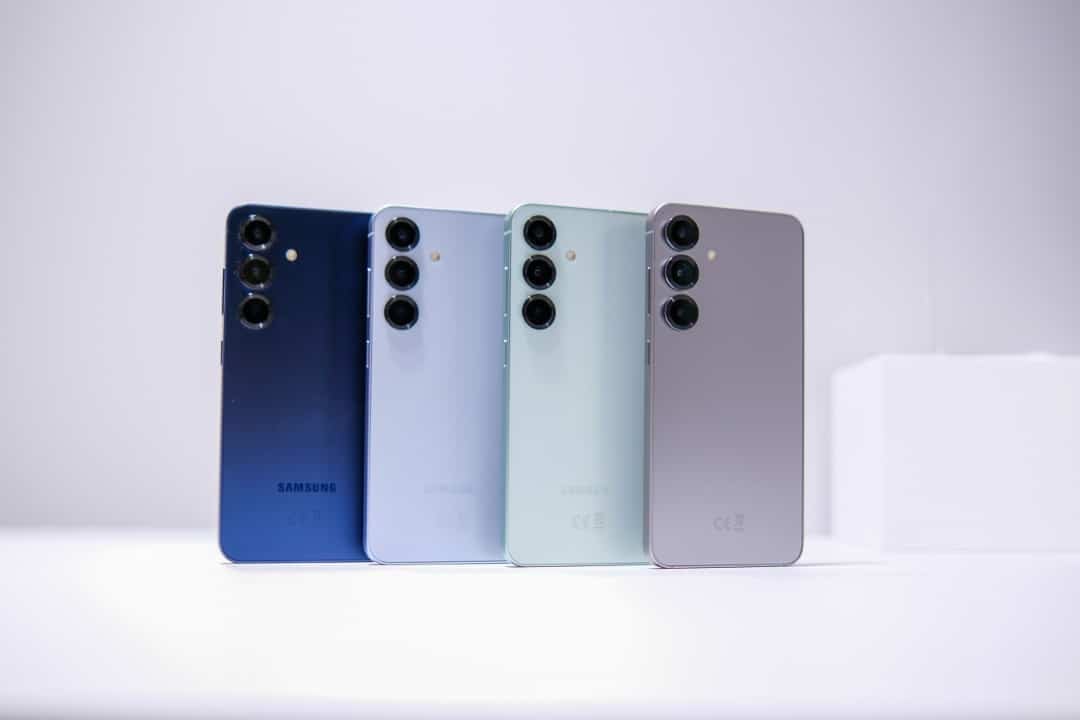
The global mobile device market registers a significant movement with the leak of information about the next launch of the South Korean manufacturer Samsung. Imagens packaging and recent certifications confirm that the Galaxy A57 model will integrate advanced software features, marking a shift in the category standard. The main focus of this update lies in implementing machine learning-based tools directly into the device’s operating system.
The main technical novelty involves the incorporation of a native audio transcription system, aimed at professionals, students and corporate users. The functionality allows the conversion of speech to text in real time, operating in an integrated manner with the device’s standard recording application. Esta addition represents the arrival of tools previously restricted to the premium line to the intermediate cost segment.
The leaked data indicates the following central specifications of the new equipment: 6.6-inch screen with improved resolution; 50 megapixel main camera with stabilization; 5,000 mAh battery with 45W fast charging support; and processor optimized for complex data processing tasks. The physical structure of the device maintains the brand’s recent visual identity, with flat edges and vertical arrangement of the photographic sensors.
The introduction of these specifications changes the competitive dynamics in the mobile telephony sector. The company seeks to consolidate its position against Asian rivals, offering a more robust software package without drastically increasing the final cost of production and distribution to retailers. The movement indicates a transition where the competitive advantage stops being just the raw hardware and starts to encompass the practical utility of embedded software.
Democratization of technology in the intermediary market
The strategy of transferring high-level functions to lower-cost devices reflects a change in consumer behavior. Anteriormente, features like Galaxy AI were exclusive to models that required a substantial financial investment on the part of the end user. The arrival of these tools into the A series demonstrates an effort to keep the customer base up to date with the industry’s latest software innovations.
Expanded access to these technologies allows a greater number of people to use productivity tools in their daily lives. The manufacturer calibrates the system to operate efficiently on more modest hardware, ensuring that the user experience is not hampered by slowdowns or crashes while performing data conversion tasks.
How the intelligent transcription system works
The device’s native voice recording application has received a structural overhaul to support the new algorithms. Quando the user starts an audio capture, the system not only records the sound, but also analyzes vocal patterns to identify different interlocutors. The technology can separate speeches into distinct blocks, assigning each excerpt to the correct person in meetings or interviews with multiple participants.
In addition to verbatim transcription, the software offers the ability to generate automatic summaries of recorded content. The algorithm processes the full text, identifies the central points of the discussion and creates informative topics that facilitate later reading. Este feature eliminates the need to listen to long audio files to find specific information, optimizing the device owner’s work or study time.
System integration also allows quick export of the generated material to other applications in the brand’s ecosystem. Transcribed text and summaries can be sent directly to the native notebook, converted to standard text documents, or shared via email with preserved formatting. The interface was designed to require a minimum of screen touches during this information transfer process.
Technical specifications and camera set
The front panel of the equipment features a 6.6-inch display with technology aimed at accurate color reproduction and high contrast. The screen refresh rate has been adjusted to ensure fluid navigation between menus and when scrolling through web pages. The design includes a discreet cutout at the top to house the front photo sensor, maintaining visual space.
On the rear, the camera module is led by a 50-megapixel main sensor, designed to capture images with a high level of detail even in low-light environments. The lens works in conjunction with image processing software to reduce noise and sharpen photographs automatically after shooting. Autofocus has been calibrated to track moving objects with greater accuracy.
The photographic set is complemented by an 8 megapixel ultrawide lens, designed for capturing landscapes and large groups of people, expanding the field of view without the need to physically step back. A third 5-megapixel sensor, focused on macro photography, allows the recording of minute details in objects positioned just a few centimeters from the lens. The transition between cameras occurs seamlessly in the standard application.
The internal storage and RAM memory options have been sized to support the volume of data generated by the new photography and transcription features. The operating system manages memory allocation dynamically, suspending background applications that are not in use to prioritize active tasks. The device also supports storage expansion via external memory cards.
Processing capacity and battery life
The engine responsible for executing the device’s advanced functions is a processor from the Exynos line, developed internally by the manufacturer. Este component has cores dedicated specifically to machine learning operations, which alleviates the load on the central processing unit when transcribing audio or editing images. The chip architecture was designed to balance raw performance with energy efficiency, preventing the chassis from overheating during prolonged use of demanding applications. Communication between hardware and software occurs optimally, resulting in short response times when opening programs or switching between heavy tasks.
To support the continuous operation of the system, the equipment houses a battery with a capacity of 5,000 mAh. Testes Preliminary certification indicates that the component provides enough energy for a full day of intense use, including browsing the internet, playing videos and using recording tools. Support for 45W fast charging allows you to replenish a significant percentage of the charge in just a few minutes when connected to the socket. The power management system monitors the owner’s usage patterns, reducing the consumption of idle applications and adjusting the screen brightness according to ambient lighting to extend the device’s autonomy away from cables.
Data privacy and local processing
The implementation of voice analysis tools raises technical questions about the traffic and security of information generated by users. Para To mitigate risks of interception, the manufacturer structured the system to perform most of the transcription processing locally, using the capacity of the device’s own processor instead of sending the audio files to external servers. Esta approach ensures that confidential conversations, business meetings or personal notes remain restricted to the phone’s physical storage, without exposure to public networks or cloud databases. Local processing also has the advantage of working in environments without an internet connection, allowing the tool to be used on flights or in areas with poor signal coverage. Quando the use of the cloud is strictly necessary for more complex translation or formatting functions, the system applies end-to-end encryption protocols before transmitting data packets. The Knox security platform, integrated at the hardware level, acts as an additional barrier against intrusion attempts, isolating biometric data and files generated by the recording application in a secure, encrypted folder. The company adopts a policy of transparency, providing control panels where the individual can revoke microphone access permissions and manage the history of processed files at any time. The focus on privacy reflects a growing demand from international regulators and corporate consumers who use mobile devices as primary work tools.
Commercial strategy of the South Korean manufacturer
The positioning of this model aims to bridge the gap between entry-level devices and elite devices, offering an aggressive value for money. The company monitors the advancement of competitors that deliver high hardware specifications for lower prices, responding with a more polished software ecosystem and extended technical support. Guaranteeing system updates for multiple years acts as a customer retention factor in today’s market.
Expected release and global distribution
The volume of leaked information, including instruction manuals and records at telecommunications agencies, suggests that the start of mass production has already been completed. The logistical schedule points to the supply of distribution centers in the coming weeks, preparing the ground for the official announcement. The retail strategy involves the simultaneous availability of the product in multiple strategic markets.
Global distribution will follow a phased model, prioritizing regions with historically high demand for the brand’s intermediary line. Telephone operators and retail chains already receive training materials focused on demonstrating the capabilities of the transcription system in physical stores. The sector’s expectation is that the device will take the lead in the manufacturer’s sales volume in the first few months after it hits the shelves.