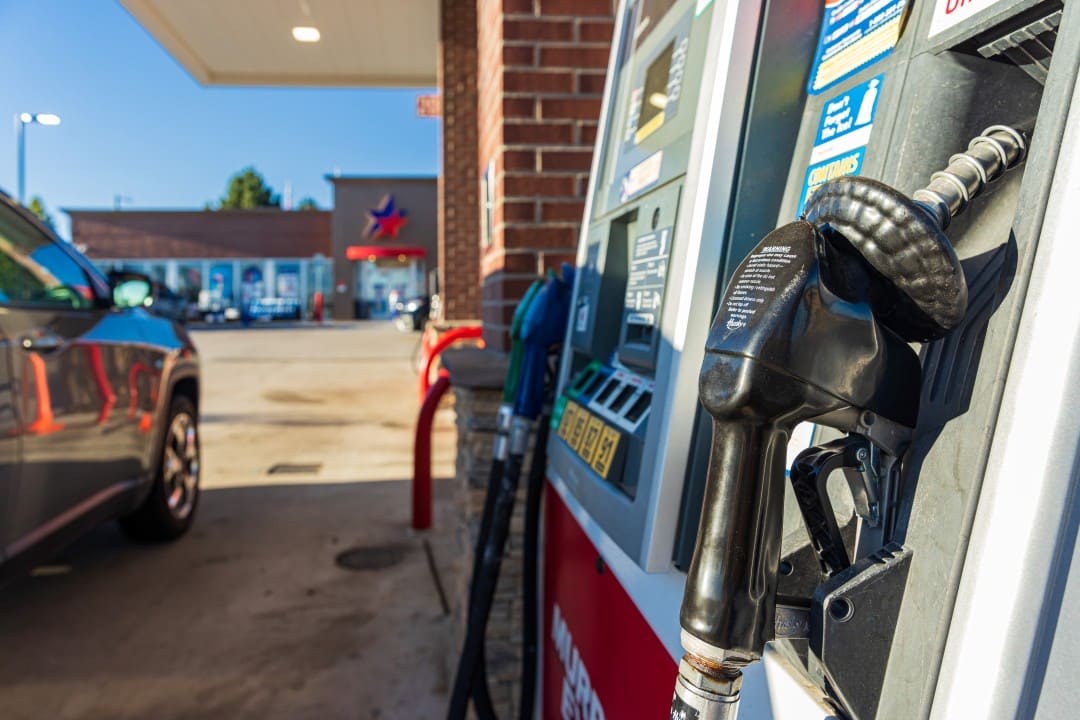
Gasoline prices at Estados Unidos gas stations have risen more than 30% this month, quickly approaching the $4 per gallon mark. The increase comes amid the military conflict involving the Estados Unidos, Israel and the Irã, which began in late February with joint attacks on Iranian facilities. The national average reached $3.88 per gallon on Wednesday, according to data from Associação Automobilística Americana (AAA), representing an increase of about 90 cents since hostilities began. Analistas point out that the rise in crude oil prices directly drives the cost at gas stations, with a barrel of West Texas Intermediate (WTI) rising almost 43% in the same period, from US$67 to US$96.
The conflict has disrupted the flow of oil in one of the world’s most important regions for global production. Ataques Iranian shipping on Estreito from Consumidores Americans now face additional pressure on their daily expenses, especially in a context of persistent inflation that is already affecting household purchasing power.
Government measures to mitigate the impact
The Trump administration announced a temporary 60-day exemption from Lei Jones, which regulates shipping between American ports. The measure allows foreign-flagged ships to transport fuel and other goods domestically.
Fuel sector experts estimate that the effect on retail prices will be limited. Oil costs are determined globally, regardless of internal transportation routes.
A fuel trade source stated that the exemption should not drastically reduce prices at the pumps. Analistas reinforce that drivers should not expect significant falls with this action.
Forecast of continued increase in jobs
Analysts predict gasoline will reach $4 per gallon next week. The value could exceed US$4.10 in some scenarios, depending on the evolution of the conflict.
Patrick De Haan of GasBuddy indicated that prices continue to rise while crude oil maintains an upward trajectory. The transition to summer gasoline in some regions contributes to the additional increase.
Cities with reformulated gasoline requirements, such as Chicago, Nova York and Washington DC, may register more significant variations. A possible temporary suspension of federal pollution regulations in the summer mix could reduce prices by 10 to 20 cents per gallon in these areas.

Political and economic context of the rise
Rising prices represent a political challenge for President Trump and Partido Republicano. Trump pledged to reduce energy costs during the campaign, focusing on increasing domestic oil and gas production.
The conflict has increased volatility in markets, with changes in trade policies and tariffs contributing to instability. Job advancement has become a sensitive topic as the midterm elections approach in November.
Consumers already affected by inflation see the cost of fuel as an additional factor putting pressure on the family budget. The value of US$4 per gallon has not been widely recorded since August 2022.
Impact on Crude Oil and Global Supplies
WTI oil has risen from $67.02 to $96.14 per barrel since the start of military operations. The interruption in Estreito of Ormuz affected exports from countries producing Golfo.
Ataques a instalações energéticas na região agravaram a restrição de suprimentos. The conflict has heightened concerns about the global availability of crude, driving up futures contracts.
Measures such as the exemption from Lei Jones aim to alleviate internal logistical bottlenecks, but do not change the fundamentals of the international oil market.
Gasoline prices in the Estados Unidos directly reflect current geopolitical dynamics. The conflict at Oriente Médio continues to dictate the direction of costs at the stations, with prospects for high maintenance while supply interruptions persist. Motoristas face the reality of higher values, without immediate signs of a significant reversal.
