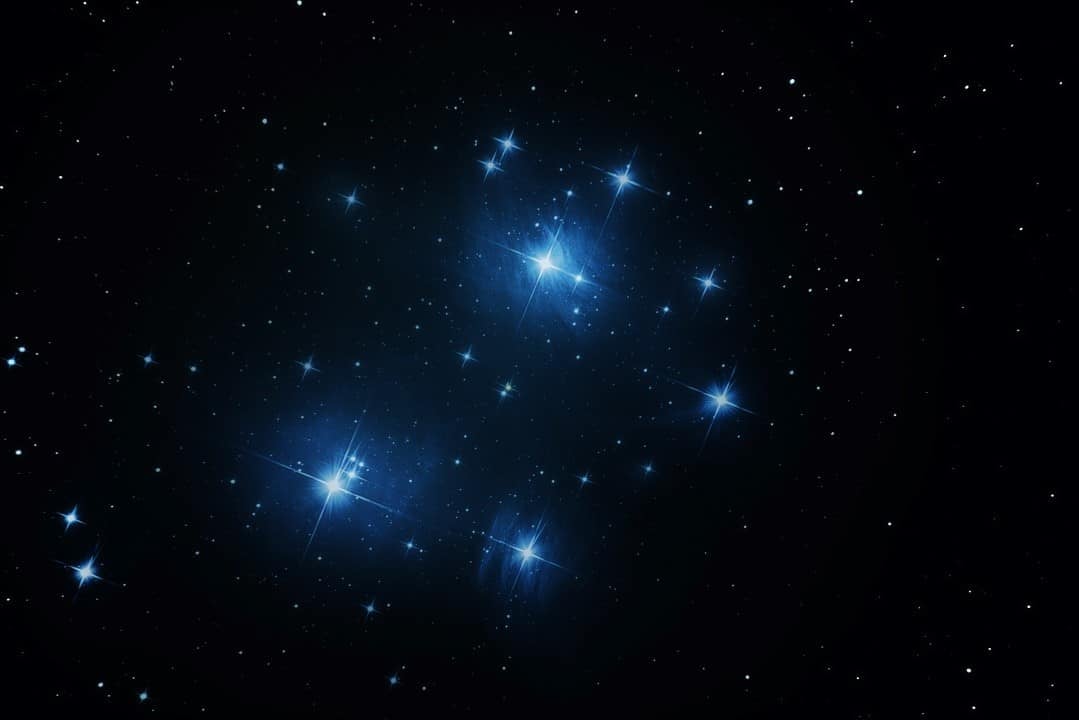
The astronomical spectacle takes center stage during this year’s spring equinox, providing an observation opportunity for astronomers and enthusiasts. Este optical event, which manifests as a pale, diffuse triangle rising from the horizon just after sunset, occurs due to the reflection of sunlight from countless cosmic dust particles scattered throughout the inner solar system. Visualization reaches its peak on clear nights, especially in regions far from large urban centers, where the absence of light pollution allows the subtle glow to stand out against the darkness of outer space. Interstellar dust remains distributed in the ecliptic plane year-round, but the orbital inclination of Terra makes viewing more prominent at the equinoxes.
Recent space research has transformed understanding of the origin of this particulate material that orbits the system’s central star. Dados collected by high-precision instruments reveal that most of this dust does not come from comets or asteroids, but from the red planet.
To identify the event in the sky, observers must pay attention to some specific characteristics that differentiate the glow from other celestial events:
- Triangular or pyramidal shape that widens at the base close to the western horizon.
- Whitish and diffuse color, preferentially scattering light in directions close to Sol.
- Strict appearance along the ecliptic plane, following the apparent trajectory of the planets.
Martian dust dynamics in the solar system
The Juno space probe, developed to study Júpiter and originally launched in 2011, played a key role in identifying the source of the material during its journey through space. Enquanto crossed the region between the orbit of Terra and the asteroid belt, the spacecraft’s sensors recorded microscopic impacts consistent with a dense cloud of particles. Analysis of the distribution and trajectory of these elements indicated a significantly greater concentration in the vicinity of the Martian orbit, changing previous theories that pointed to comets as the main suppliers of this cosmic material.
The mechanism by which dust escapes gravity involves the intense global dust storms that occur periodically on the neighboring planet. The winds lift extremely fine particles, the approximate size of smoke grains, to the highest layers of the tenuous atmosphere. From that point, a combination of gravitational factors causes this material to be ejected into interplanetary space, where it begins to orbit Sol and spreads along the ecliptic plane, forming the disk responsible for the luminous phenomenon seen from the Earth’s surface.
Visibility conditions during the equinox
The spring equinox period offers the perfect orbital geometry for observation from the Southern Hemisphere. Nesta time of year, the inclination of the ecliptic plane in relation to the horizon reaches its steepest angle just after dusk, causing the illuminated dust column to project almost vertically into the night sky.
The coincidence of this astronomical event with the new moon phase in 2026 creates an ideal scenario of deep darkness. The absence of lunar glare eliminates the main natural source of visual interference, allowing even the faintest portions of the luminous triangle to be captured by cameras and seen with the naked eye in appropriate locations.
Advanced photographic recording techniques
Photographic capture requires equipment capable of recording long exposure images without compromising the sharpness of the stars in the background. Câmeras with high sensitivity sensors, coupled with wide-angle lenses and fixed on robust tripods, form the basic set necessary to document the structure accurately.
Shooting parameters generally involve exposures ranging from ten to thirty seconds, depending on the lens aperture. The inclusion of elements from the terrestrial landscape, such as mountains, trees or dunes, adds proportion and context to the image, highlighting the scale of the light triangle in relation to the horizon.
Differentiation from other celestial events
One of the biggest challenges for amateur astronomers is distinguishing the glow of interplanetary dust from other nighttime phenomena, such as Via Láctea or distant light pollution. The galaxy has a more complex structure, full of dark filaments and star clusters, while the zodiacal event displays a continuous, smooth glow without internal textures.
Astronomical twilight can also cause confusion in the early hours of the night. The true pyramidal structure only becomes unmistakable after direct sunlight has completely disappeared, when the sky reaches its maximum level of darkness and the conical shape stands out independently.
At higher latitudes, the glow may be mistakenly associated with low-intensity aurora borealis or australis. However, the reflected light has a strictly white or slightly yellowish color, devoid of the green, red or purple tones characteristic of atmospheric magnetic interactions.
Ideal locations for astronomical observation
The choice of observation location determines the success in viewing the luminous structure. Regiões deserts, isolated national parks and high-altitude mountainous areas offer the darkest and clearest skies on the planet, free from the interference of urban lights.
The desert of Al Qua’a, in Emirados Árabes Unidos, and the Parque Nacional of The low humidity of the air and the almost total absence of artificial lighting in these places guarantee an adequate contrast for the subtle glow of interplanetary dust.
Observers should avoid using white light flashlights, vehicle headlights or smartphone screens during the session. The complete adaptation of the human eye to darkness takes about twenty to thirty minutes, and any exposure to light sources restarts this fundamental biological process for the perception of dim lights.
Geographic positioning requires an unobstructed view of the western horizon during spring. Montanhas very close or low clouds in the direction of sunset can hide the brightest base of the triangle, impairing the full perception of the structure that can extend up to 30 degrees into the sky.
Importance of space mission data
Detailed mapping of interplanetary dust provides valuable insights into the evolution and dynamics of the inner solar system. The data accidentally collected by the Juno probe not only updated astronomy records on the origin of the phenomenon, but also offered new parameters for calculating risks in space missions. Understanding the density and distribution of these microscopic particles allows aerospace engineers to develop more efficient protective shields for satellites and spacecraft, minimizing damage caused by high-speed impacts during interplanetary travel. The continuous study of this material helps researchers model the behavior of planetary systems and understand the atmospheric escape processes that occur on celestial bodies neighboring Terra.
The role of asteroids and comets
Although Martian storms are cited as the primary source of particulate matter, collisions between asteroids and the tracks left by comets still play a role in the composition of the ecliptic disk. The mixture of these different cosmic materials creates a dynamic environment where particles are constantly renewed and distributed by solar radiation over time, keeping the spectacle visible to terrestrial observers.
