

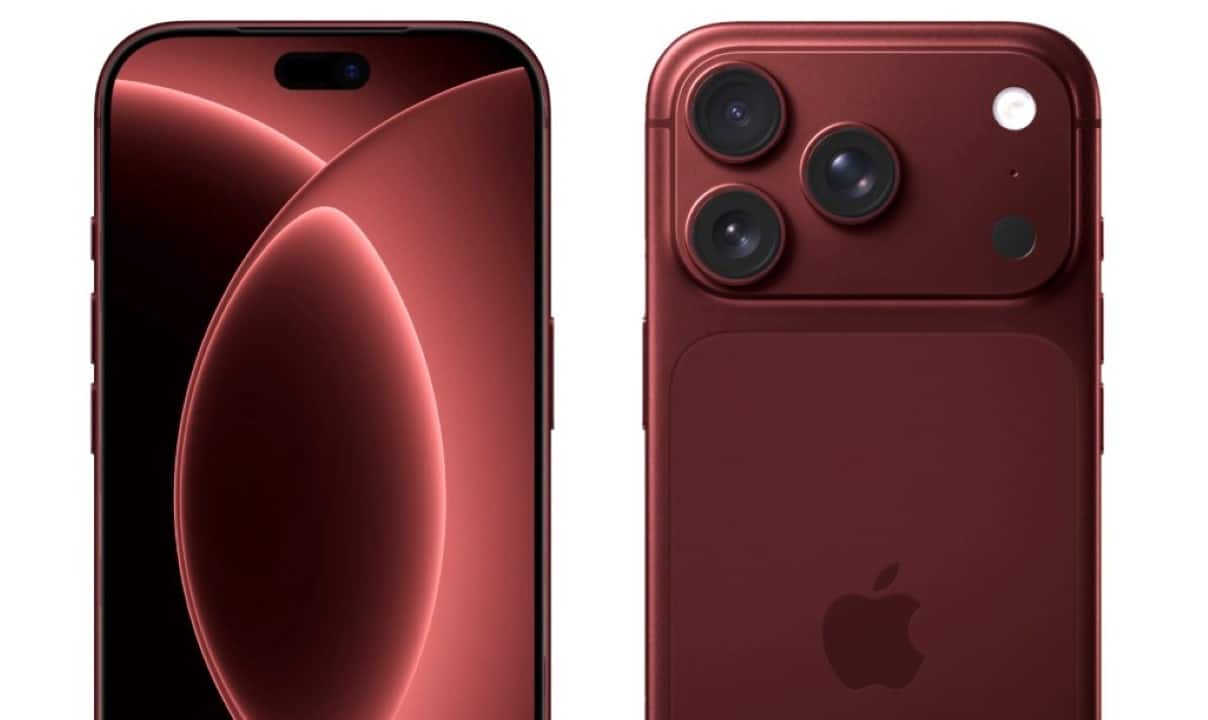
The mobile device industry is witnessing significant movement behind the scenes in technology, with the development of a new generation of high-performance devices expected to hit the global market in September. Engenheiros is working on a deep structural redesign, focused on delivering a device with a semi-transparent back panel and an energy capacity that exceeds the 5000mAh mark. The change requires a complete restructuring of the internal assembly, changing the way components are distributed within the metal chassis.
The project requires a rigorous reassessment of the internal layout of the parts, as the motherboard, power connectors and heat dissipation system will be partially visible to the end user. The industrial design and hardware engineering team faces the technical challenge of maintaining the brand’s characteristic premium aesthetics, while ensuring absolute protection of parts against electromagnetic interference, dust accumulation and physical damage resulting from daily use.
The structural modifications adopted to make the new format viable include complex adaptations to the assembly line and the use of new materials. The main innovation fronts in the construction of the device involve:
– Uso reinforced glass with special chemical treatment to prevent the transparent material from yellowing over time.
– Implementação of a new cooling architecture based on graphene pads and high-efficiency vapor chamber.
– Remoção total of legacy components to optimize the internal space and accommodate the new energy cell.
Experts in the telecommunications sector point out that this visual change represents the biggest design change in the manufacturer’s smartphone line in recent years. Back panel transparency is not just an aesthetic choice, but a decision that affects the entire supply chain, requiring new certification standards for water and dust resistance in rigorous testing laboratories.
Engineering applied to the semi-transparent back panel
The adoption of a transparent back imposes complex obstacles in the production chain, requiring the creation of unprecedented manufacturing processes for the tempered glass and the titanium main structure. The chosen material must offer superior resistance to drops and scratches, in addition to incorporating a specific chemical compound that blocks visual degradation caused by continuous exposure to ultraviolet rays. Transparency reveals the internal organization of the device, which forces the manufacturer to redesign flexible cables, radio frequency shields and camera modules with an impeccable aesthetic finish, transforming purely functional elements into high-precision industrial design pieces.
To ensure the integrity of the cooling system that will be visible, the structure uses high-density graphene heat sinks integrated directly into the rear glass panel. Essa technical solution allows efficient dissipation of heat generated by the latest generation processor, preventing overheating during intensive tasks, such as recording videos in very high resolution or running complex augmented reality applications. Assembly requires an extreme level of laboratory precision, using automated and calibrated robotic arms to apply transparent sealants that maintain waterproof certification without compromising the translucent aesthetics of the mobile device.
Expansion of energy capacity and space optimization
The battery module represents one of the project’s biggest technical advances, registering a substantial leap forward compared to previous generations of the brand’s smartphones. The nominal capacity of the component exceeds 5000mAh, with internal engineering tests indicating that the part can reach up to 5200mAh in specific hardware configurations aimed at larger screen models.
This increase in the battery’s physical volume was only made possible thanks to the extreme miniaturization of the main logic board and the adoption of new internal communication protocols between the chips. The permanent removal of the physical carrier card tray frees up crucial cubic millimeters within the chassis, space that has been entirely redirected to energy storage.
The thermal management of this new high-density power cell is controlled by advanced management software, which monitors the system temperature in real time. The mechanism dynamically adjusts voltage during fast charging to preserve component life and prevent premature wear of lithium-ion cells over years of use.
Display and processing architecture updates
The dimensions of the screens present a slight increase compared to the high-performance models currently available on the global market. The standard version of the premium line will feature a 6.3-inch display, while the larger variant will maintain an expansive 6.9-inch panel, focused on productivity and media consumption.
The frame around the OLED screen has been drastically reduced by approximately 35%, maximizing the useful viewing area for the user without increasing the physical size of the device. Essa ultra-thin edge engineering requires a millimetric repositioning of the facial recognition sensors and the front camera, which now occupy an even more discreet cutout at the top of the tempered glass.
The smartphone’s operating core is powered by a processor manufactured using 2-nanometer lithography, a cutting-edge technology that offers unprecedented computing power in the mobile segment. The chip is designed to maximize energy efficiency, balancing the consumption of the high-brightness display and high-speed network connections without draining the battery quickly.
Random access memory has been increased to 12GB, ensuring the fluidity necessary to run artificial intelligence models directly on the device. Essa local processing power reduces dependency on cloud servers, increasing user data privacy during complex machine learning and image editing operations.
Innovations in the image capture system
The photographic assembly incorporates a variable aperture mechanism in the main lens, allowing physical adjustment of the amount of light that reaches the high-resolution image sensor. Essa precision mechanical technology significantly improves photographic performance in low-light environments and offers greater control over depth of field, bringing the quality of photos closer to that of professional cameras.
Optical image stabilization has been improved using motion correction algorithms processed in real time by the new chip. Larger sensors capture an expanded dynamic range, ensuring video recordings maintain absolute clarity even in extreme shake situations or when tracking objects at high-speed sports.
Satellite connectivity and exclusive transition to virtual networks
The device’s connectivity infrastructure consolidates the definitive transition to the eSIM format in all global markets, completely eliminating support for physical chips and forcing telecommunications operators to accelerate the adoption of fully digital network profiles. Paralelamente Due to this structural change, the satellite communication module received a hardware expansion that goes beyond the basic sending of emergency messages in remote areas. The new directional antenna built into the chassis allows the transmission of heavier data packets, making it possible to send compressed media files and make short voice calls in regions without traditional cellular coverage. Essa advanced functionality requires strategic partnerships with low-orbit satellite constellations, ensuring reduced latency and a stable connection even in adverse weather conditions or in geographically isolated terrains such as mountains and oceans.
Production schedule and adaptation of the assembly chain
Asian suppliers have begun the testing phase of industrial machinery to accommodate the manufacturing requirements of the new glass panel and redesigned motherboard. Mass production of key components is scheduled for the end of the second quarter, ensuring adequate inventory volume and efficient logistics for the simultaneous launch in the main shopping plazas of América of Norte, Europa and Ásia.
Strategic positioning and impact on the global market
The introduction of new materials in construction and the high cost of research and development associated with semi-transparent design should directly reflect on the final value of the product on the shelves. Analistas of the market project that the device will occupy the highest price range of the ultra-premium segment, testing the elasticity of consumer demand for aesthetic and advanced hardware innovations.
The manufacturer’s move aims to attract an audience focused on exclusivity, bold design and raw performance, consolidating its leadership in the cutting-edge mobile technology sector. The commercial strategy seeks to aggressively differentiate the device in a saturated global market, where the competition’s annual updates tend to focus only on incremental software improvements and slight processing tweaks.