

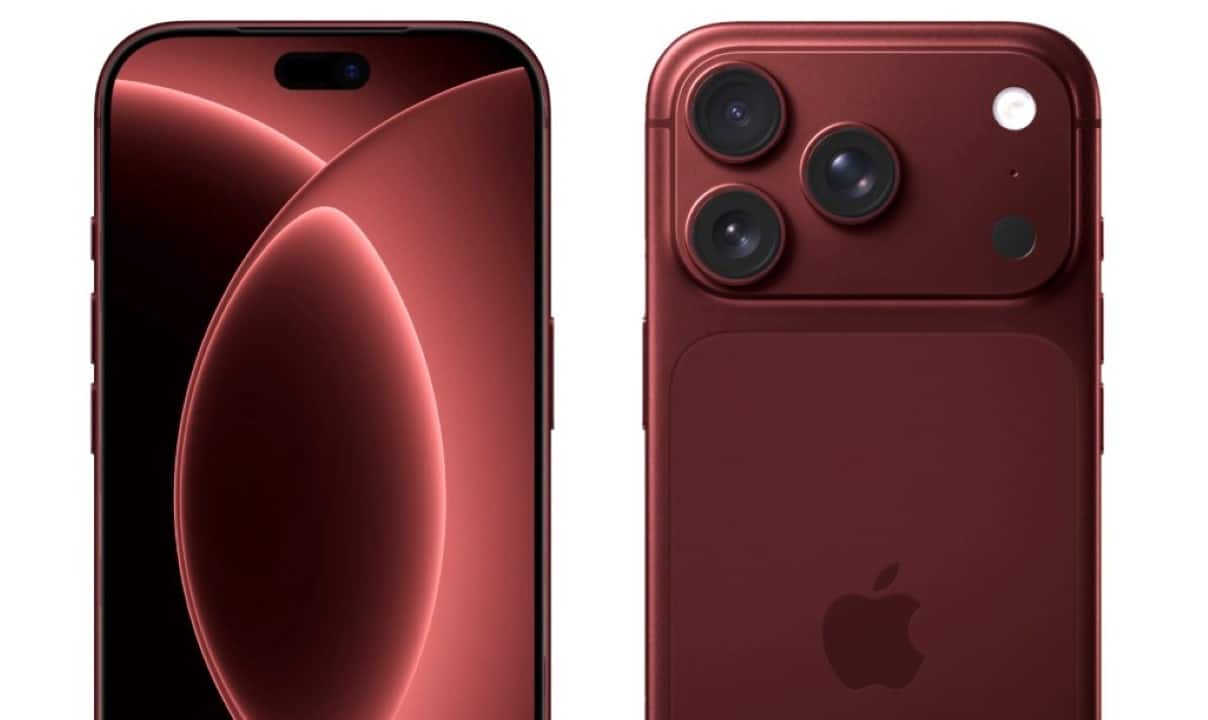
The mobile device industry follows a strategic move by one of the sector’s main manufacturers, which plans to introduce a significant visual and hardware redesign in its next generation of high-end devices. The launch, scheduled for September, promises to change the aesthetic standard adopted by the company in recent years, introducing new materials and engineering concepts into its main line of products.
The development of the new equipment involves a complete restructuring of the internal architecture, requiring complex adaptations to the supply chain and assembly lines. Engenheiros and designers work together to ensure that the renewed aesthetics do not compromise the device’s durability or thermal efficiency, critical factors in high-performance devices.
Technical specifications leaked by Asian suppliers indicate a dual focus: maximizing energy autonomy and offering a differentiated visual experience. The combination of these elements aims to justify the product’s premium positioning in the global technology market.
New design exposes internal components of the device
The most visible change in the new generation of smartphones is the adoption of a semi-transparent glass rear panel. Esta design choice allows users to view part of the device’s internal structure, including the motherboard, connectors and heat dissipation system. The manufacturer needed to redesign the internal layout not only for functional purposes, but also for aesthetic purposes, ensuring that the exposed components present a refined finish.
To enable this transparency without sacrificing resistance, the company uses glass reinforced with specific chemical treatments. Este material is designed to resist scratches and drops while preventing yellowing or visual degradation over time. Assembly requires a production environment with strict dust and humidity control, as any particles trapped under the transparent glass would be immediately visible to the consumer.
In addition to the aesthetic issue, the translucent rear required the development of new shields to protect against electromagnetic interference. Engineers replaced traditional metallic tapes with darkened coatings and graphene plates, which fulfill the insulation function and contribute to the industrial and technological appearance of the rear panel.
Energy autonomy reaches unprecedented milestone in the line
The new device’s power delivery has received a substantial upgrade, with the battery capacity surpassing the 5000mAh mark. Documentos certification indicates that specific models in the line can reach up to 5200mAh, representing the largest energy storage component ever integrated into a branded smartphone. Este increase directly responds to user demands for increased continuous usage time, especially with the introduction of advanced local processing capabilities.
The capacity expansion was made possible thanks to the adoption of new high-density cell technology. Esta innovation allows you to store more energy in the same physical volume, preventing the device from becoming excessively thick or heavy. The energy management system has also been rewritten, using algorithms that optimize consumption during routine tasks and extend the component’s long-term useful life.
Display optimization and reduction of visual edges
The dimensions of the screens have been adjusted for the new generation, with the standard model measuring 6.3 inches and the larger version reaching 6.9 inches. The manufacturer managed to increase the useful viewing area without drastically expanding the physical size of the devices, thanks to a manufacturing process that reduces the edges around the light panel to minimum thicknesses.
An important structural change occurs at the top of the display. The facial recognition system and front camera have been repositioned to operate under the OLED screen. Essa relocation significantly decreases the visible cutout area at the top of the device, offering a more immersive viewing experience for media consumption and browsing.
The sensor module under the screen has been slimmed down by around 35% compared to the previous generation. Essa thickness reduction improves light transmission through the display’s pixels, ensuring that the front camera captures sharp images even when covered by the light-emitting layer.
The operating system interface has been adapted to take advantage of this new screen configuration. Notifications and application controls that previously orbited the top cutout now have more space for horizontal expansion, allowing for more fluid interactions and display of detailed information without interrupting the main content of the screen.
Advanced processing and thermal management
The smartphone’s processing core is powered by a chip manufactured using the 2 nanometer process, accompanied by 12 GB of RAM. Esta silicon architecture offers a leap in computing power, enabling the execution of complex language models and real-time image processing directly on the device, without relying on external servers. The reduced lithography also ensures greater energy efficiency, complementing the high-capacity battery to sustain long periods of operation under maximum load.
To deal with the heat generated by this high-performance processor, especially considering the glass back that retains more temperature, an advanced cooling system has been implemented. The structure includes an enlarged vapor chamber and multiple layers of graphene that distribute heat evenly across the titanium chassis. Sensores additional thermals have been spread across the motherboard to monitor hot spots and dynamically adjust the processor frequency, preventing overheating when recording high-resolution videos or running intensive graphics software.
Camera system adopts variable aperture
The rear photographic assembly introduces a main lens with a variable aperture mechanism. Esta physical technology allows the lens blades to mechanically adjust to control the exact amount of light that reaches the sensor, improving depth of field in portraits and optimizing image capture in poorly lit environments, bringing the experience of using dedicated professional cameras closer.
Satellite connectivity and lack of physical tray
The device’s communications infrastructure has been expanded to support satellite voice and media transmissions, moving beyond the previous limitation of just short text messages. The upgraded hardware allows users in remote areas without traditional cellular network coverage to establish compressed audio calls and send small multimedia files using low-orbit satellite constellations.
Following the evolution of connectivity, the manufacturer decided to completely remove the tray for physical chips in all models sold globally. The unique transition to eSIM technology frees up valuable internal space, which has been reallocated for battery expansion and new cooling components, as well as eliminating a vulnerable point for water and dust ingress into the device chassis.
Asian supply chain preparedness
The assembly lines at Ásia have already started the production testing phase with the new glass panels and internal components. Mass manufacturing is scheduled for the second quarter, ensuring sufficient volume for global launch in September. The complexity of assembling the transparent back and integrating the 2-nanometer chip required the calibration of new precision equipment at partner factories. The high costs of research, development and new materials used in the construction of the device indicate that the final retail price will reflect the technological investment, positioning the smartphone in the highest segment of the consumer electronics market.



