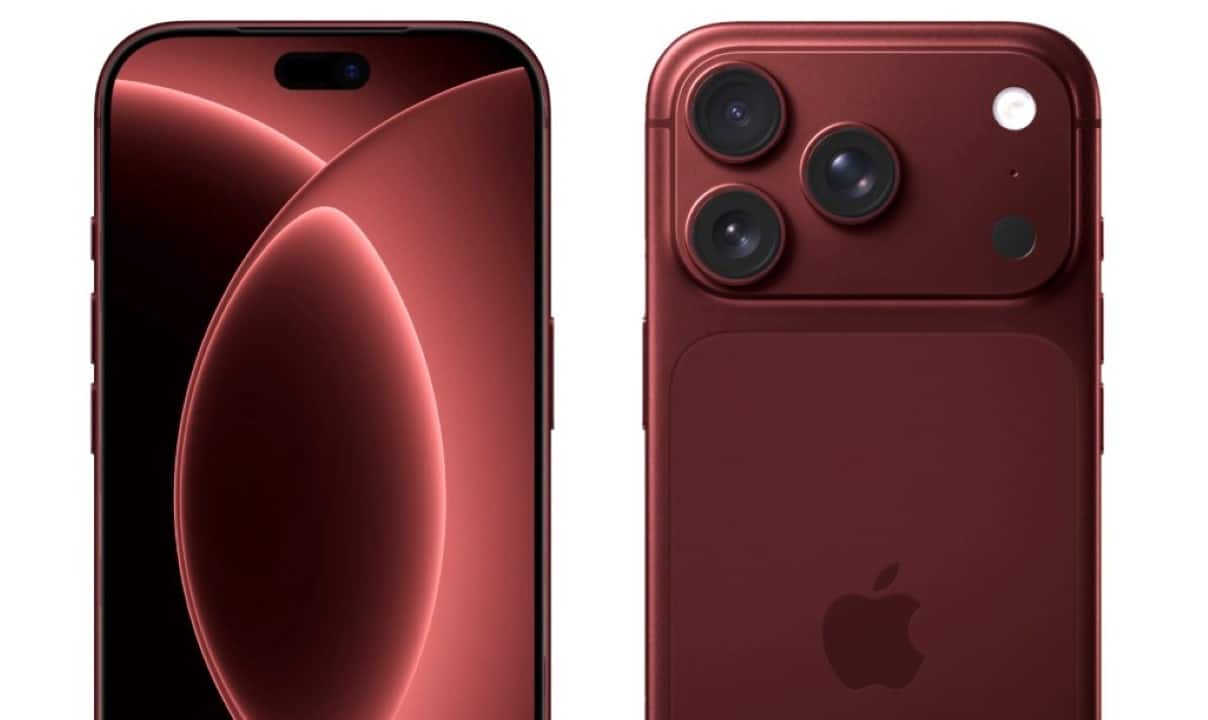
Apple finalizes preparations for the global launch of its new generation of high-performance smartphones, with an official presentation scheduled for September. The technology giant’s latest project brings drastic changes to the device’s engineering, highlighting the introduction of a semi-transparent back panel and an energy capacity of more than 5000mAh. The redesign requires a complete reorganization of the internal components to accommodate the new specifications without compromising the device’s thickness.
The company’s engineers are working on developing advanced thermal solutions to deal with the heat generated by the new battery and the latest generation processor. The unprecedented design aims to attract consumers looking for visual innovation and greater autonomy in daily use.
Mass production has already begun at partner factories located in Ásia, ensuring that stocks are adequate to meet initial demand in key international markets.
Visual structure and high-resistance materials
The development of the semi-transparent back represents a milestone in the company’s production line, requiring the creation of new manufacturing processes. The use of chemically strengthened glass guarantees the necessary durability against impacts and scratches, common problems in mobile devices.
Material science experts have formulated specific compounds to prevent the panel from yellowing over time. Essa visual degradation is a frequent challenge in translucent materials exposed to sunlight and heat generated by electronic components.
Partial transparency allows users to view part of the smartphone’s internal engineering, an aesthetic appeal that differentiates the model from its predecessors. The arrangement of the pieces was redesigned not only to optimize space, but also to present a symmetrical and pleasant look.
The external finish also features polished titanium edges, a material that offers a superior relationship between resistance and lightness. The combination of these elements positions the device in a luxury category within the mobile technology segment.
Energy autonomy and cooling system
The inclusion of a battery with a capacity of more than 5000mAh responds to one of the biggest demands from users of high-performance smartphones, who need devices capable of withstanding long days of intense use. Para To make this update possible without increasing the volume of the device, the manufacturer adopted energy cells with greater density, allowing the storage of more charge in a reduced physical space. The power management system has been rewritten to optimize consumption when running heavy applications, recording high-resolution videos and browsing fifth-generation mobile networks.
The increase in energy capacity brought the challenge of internal heating, solved with the implementation of a cooling system based on graphene sheets and an enlarged vapor chamber. Essa thermal architecture dissipates heat efficiently, directing high temperatures to the ends of the metal chassis, away from the central processor and the battery itself. Testes of stress indicates that the new engine maintains system stability even during prolonged graphics processing sessions, avoiding the forced reduction in performance known as thermal throttling.
Advances in display technology
The dimensions of the screens have been adjusted to maximize the usable viewing area, with the standard model reaching 6.3 inches and the larger version reaching 6.9 inches. Drastically reducing the edges around the panel provides a superior immersive experience when consuming media and reading documents.
The new OLED technology used in the displays offers higher peak brightness, making it easier to view content in direct sunlight. The light-emitting material has been updated to consume less energy, balancing the expense generated by larger screens.
The adaptive refresh rate is still present, adjusting the fluidity of the image according to the content displayed on the screen. Essa functionality works in conjunction with the new processor to ensure smooth transitions in the operating system interface.
Central processing and artificial intelligence
The processing core of the new smartphone has 12GB of RAM, a technical specification aimed at supporting the demands of advanced multitasking and local data processing. The chip’s architecture was designed with a focus on artificial intelligence operations, allowing complex tasks to be performed directly on the device, without the need for constant connection to cloud servers.
This local processing capability increases user privacy and reduces response time for virtual assistants and image editing tools. The system software has been optimized to dynamically allocate resources, prioritizing foreground applications and suspending inactive processes to save battery.
Optical capture and depth sensors
The rear camera module has received a substantial update to its physical structure and image processing algorithms. The lenses were repositioned to optimize light capture and spatial video recording, a feature integrated into the manufacturer’s mixed reality ecosystem. The main sensor has a larger aperture, allowing for sharper photographs in low-light environments, while the optical image stabilization system has been improved with high-precision micromotors. The LiDAR scanner, responsible for depth mapping, operates with greater range and speed, benefiting augmented reality applications and accelerating autofocus in fast-moving situations. Integration between the photographic hardware and the image signal processor ensures the instant application of noise reduction and color correction filters, delivering professional results without the need for subsequent editing.
Global supply chain and distribution
Production logistics involved the coordination of multiple factories at Ásia, ensuring the assembly of millions of units before the official announcement. The company diversified its suppliers of critical components, such as glass panels and memory modules, to avoid supply chain bottlenecks and ensure product availability at launch.
Transportation of completed units uses chartered air routes to supply distribution centers in América of Norte, Europa and Ásia-Pacific. The strategy aims to avoid shortages of the model during the first weeks of sales, a period that concentrates most of the demand from enthusiastic consumers.
Positioning in the technology market
The high cost of research, development and exclusive materials is reflected in the final value of the device, consolidating it at the top of the premium category. The introduction of an innovative design and robust specifications seeks to justify the consumer’s investment and maintain the brand’s leadership in the high-end smartphone segment.
