

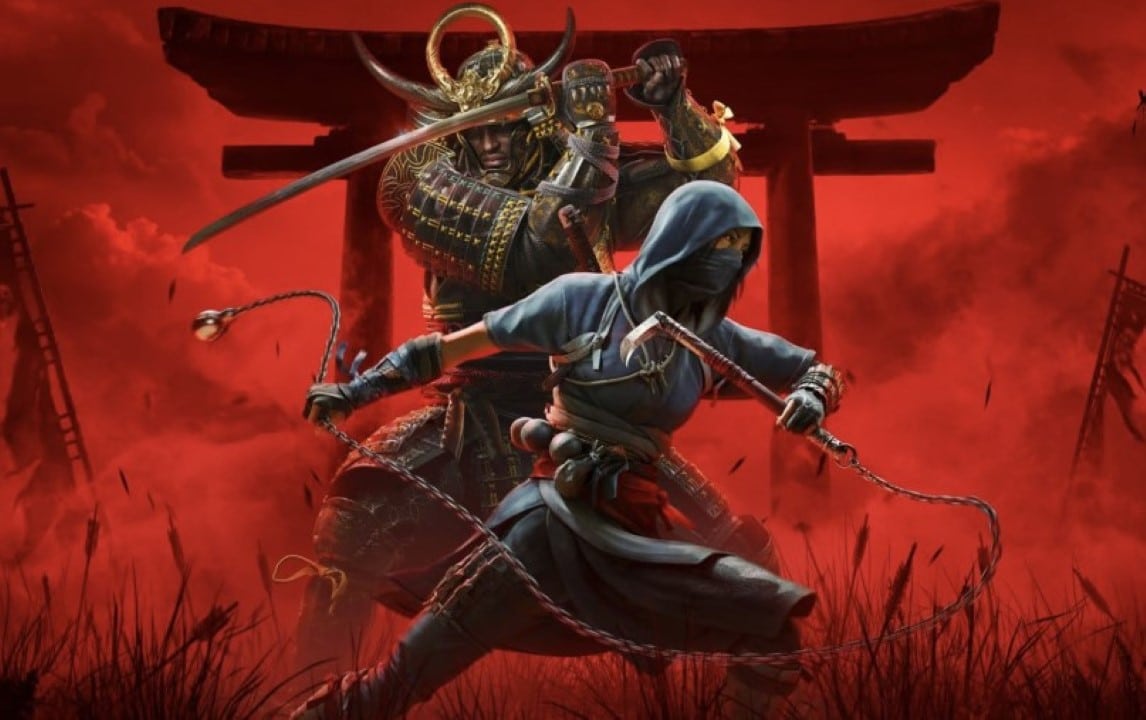
Assassin’s Creed Shadows community expresses strong disapproval of the integration of DLSS 5, Nvidia’s recently announced artificial intelligence upscaling technology. Jogadores express concern on forums and social media about the potential impact on the franchise’s signature aesthetic. The decision positions the title as the main showcase alongside other games, but the negative reception comes even before updates or the launch of related content.
The fear involves the possibility of technology altering visual elements such as lighting, materials and characters in a way that compromises the original artistic direction. Muitos users describe DLSS 5 as an overly generic AI-based approach, which could reduce the immersion and perceived quality of the feudal Japão depicted in the game.
Reactions on forums and social networks
A discussion topic gained prominence with hundreds of interactions, where participants called for mobilization against the adoption of technology. Críticas address the leadership involved in the project, questioning technical choices that affect the series’ identity.
Players argue that the intensive use of AI resources could worsen the wear and tear accumulated by the franchise in recent years. Comentários reinforce the need to preserve manual artistic quality to the detriment of automated solutions.
Concerns about studio leadership
The appointment of Charlie Guillemot as co-CEO of the subsidiary responsible for development reignites debates about the internal structure of Ubisoft. Seu history includes involvement in projects related to emerging technologies, which divides opinions in the gaming community.
The family presence in the company’s top management has already been publicly addressed, with statements that defend the model as part of the organizational tradition. Jogadores connect this dynamic to current technical decisions, expressing distrust regarding the priorities adopted.
DLSS 5 Technical Details and Demos
Nvidia presented DLSS 5 as a breakthrough in neural rendering, promising improvements in visual fidelity for lighting and materials. Demonstrações uses Assassin’s Creed Shadows to display the feature, highlighting gains in realism and performance on compatible hardware.
Developers reported learning about the inclusion in the demos at the same time as the public. The reaction includes questions about the creative control maintained by art teams during the implementation of the technology.
Perceived impact on the franchise
Assassin’s Creed series has accumulated recent criticism regarding the creative direction and execution of previous titles. Jogadores fear that innovations like DLSS 5 will amplify negative perceptions, especially in aspects of immersion and visual authenticity in the Japanese historical setting.
Discussions point to a preference for traditional upscalers or options that preserve the original artistic vision. The community argues that AI technologies should serve as support, without replacing manual design decisions.
Alternatives and player preferences
Some fans suggest maintaining classic rendering settings, avoiding excessive dependence on generative resources. Opções like previous DLSS versions or competitors like FSR receive positive mentions for offering a balance between performance and fidelity.
The online mobilization seeks to press for greater transparency in technical choices. Participantes emphasize the importance of listening to the player base to maintain the franchise’s relevance in the market.
Context of technology in industry
DLSS evolves from early versions focused on upscaling to more advanced approaches with neural rendering. Nvidia lists several major titles for DLSS 5 support, including Assassin’s Creed Shadows as a prominent example.
Similar reactions occur in other communities, with debates about the balance between technical innovation and artistic preservation. The discussion reflects current trends in AAA game development.