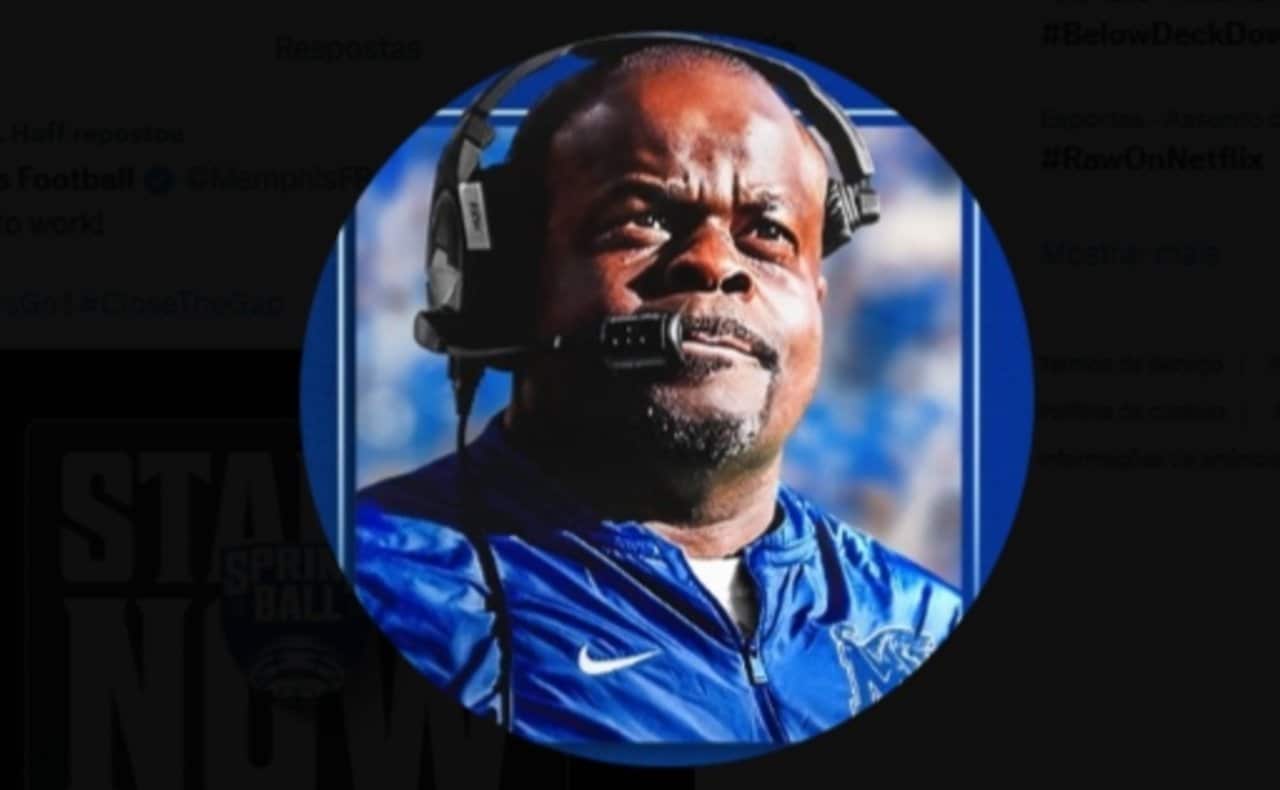
Charles Huff’s arrival at the University of Memphis as the head football coach marked a new era for the Tigers program, signaling a period of intense evaluation and strategic planning. Tasked with building upon previous successes while also injecting his unique philosophy, Huff dedicated his initial months to a comprehensive assessment of every facet of the team. This crucial period was essential for establishing a foundational understanding of the program’s strengths, identifying areas ripe for improvement, and laying the groundwork for future strategic decisions. His approach involved extensive engagement with players, staff, and university stakeholders, aiming to cultivate an environment conducive to both athletic excellence and academic achievement. The early days were characterized by intense observation and meticulous planning, as Huff sought to imprint his vision on the team’s culture and operational dynamics. He emphasized the importance of accountability and a relentless pursuit of improvement, signaling a clear direction for the Tigers moving forward. This initial phase was not merely about evaluating talent, but also about understanding the intricate ecosystem of collegiate football within the Memphis community and the broader athletic department.
His immediate focus encompassed a meticulous review of both athletic and administrative structures, aiming to identify areas of immediate impact and long-term strategic growth. This initial period was critical for setting the tone and direction for the Tigers’ future, ensuring that every decision aligned with his overarching vision for the program. The comprehensive nature of his assessment allowed for a holistic understanding of the challenges and opportunities ahead.
Key aspects of his learning curve involved:
– Evaluating the existing talent pool and player readiness across all positions.
– Assessing the efficiency and cohesion of the coaching and support staff.
– Understanding the program’s standing within the competitive recruiting landscape.
– Gauging the community’s engagement and expectations for the team’s performance.
Player Evaluation and Roster Dynamics
Huff quickly immersed himself in evaluating the existing roster, a fundamental step for any new head coach. This involved detailed film analysis of past seasons, individual meetings with players to understand their perspectives and aspirations, and observing performance during early training sessions and informal workouts. His objective was to understand player capabilities, identify potential leaders both on and off the field, and assess the overall talent depth across all positions, paying particular attention to areas requiring immediate reinforcement.
The coaching staff, under Huff’s guidance, focused on developing schemes that would best fit the current player strengths while also considering the types of athletes needed for future recruitment cycles. This dual approach ensured immediate competitiveness on the field while strategically planning for long-term program growth and sustainability within the demanding and ever-evolving landscape of college football. Understanding the nuances of each player’s skillset was paramount to maximizing their potential within the team’s strategic framework.
Building a Cohesive Coaching Staff
A critical component of Huff’s initial tenure involved assembling and integrating his coaching and support staff. This rigorous process required identifying individuals who not only possessed exceptional technical expertise in their respective areas but also aligned seamlessly with his philosophical approach to player development, team culture, and the overall program vision. He sought out coaches who demonstrated a strong work ethic, a commitment to mentorship, and an ability to foster a positive and challenging environment for the athletes.
Establishing clear communication channels and defined roles among the staff was paramount to ensure operational efficiency and a unified message. Huff emphasized a collaborative environment where diverse perspectives could contribute to a unified strategy, fostering a strong sense of collective responsibility for the team’s performance and adherence to program standards. Regular meetings and open dialogues were instrumental in achieving this synergy.
The synergy within the coaching team directly impacts player trust, morale, and overall program efficiency. Therefore, ensuring a harmonious and high-performing staff, one capable of executing the strategic vision effectively, was a top priority for the new head coach in his foundational months at Memphis, recognizing its direct correlation to on-field success and player retention.
Recruitment Strategy and Future Talent Acquisition
Understanding the intricacies of the recruitment landscape proved vital for the long-term health of the Memphis Tigers program. Huff and his team quickly moved to evaluate current recruiting targets, assess the effectiveness of existing pipelines, and adjust strategies to attract top-tier talent that not only possessed athletic prowess but also fit the Memphis Tigers’ specific needs and cultural ethos, emphasizing character and academic fit. This meant a deep dive into prospect evaluations and relationship building.
Emphasizing local talent acquisition while also extending reach into key regional and national recruiting hotspots became a cornerstone of the revised approach, recognizing the importance of securing talent from the immediate area while not limiting the program’s potential. Building strong, authentic relationships with high school coaches, prospects, and their families was prioritized, aiming for genuine connections rather than just transactional interactions.
The message conveyed to potential recruits focused on the unique opportunities available at Memphis, combining a highly competitive football environment with robust academic support systems and the vibrant, supportive experience of being part of a dynamic city. This comprehensive pitch aimed to differentiate the Tigers in an increasingly crowded and competitive recruiting market, highlighting the holistic development offered.
Developing a sustainable pipeline of talent is unequivocally essential for consistent success in college football, given the annual turnover of players. Huff’s early insights guided the creation of a robust and forward-thinking recruiting plan designed to secure the program’s future competitiveness for years to come, ensuring a continuous influx of skilled and motivated athletes.
Establishing Program Culture and Expectations
Huff dedicated significant effort during his initial months to define and instill a new program culture, recognizing its profound impact on team performance and cohesion. This involved clearly articulating core values such as discipline, resilience, accountability, teamwork, and an unwavering commitment to academic excellence. Team meetings, individual conversations, and structured activities were utilized to communicate these principles effectively to every player and staff member, ensuring universal understanding and buy-in. The goal was to foster an environment where high expectations were consistently met with robust support mechanisms, thereby encouraging significant personal growth alongside athletic development for each individual within the program. He sought to cultivate a sense of pride and shared purpose that transcended individual achievements.
He emphasized that culture is not just about a set of rules or superficial slogans, but rather about deeply ingrained shared beliefs, behaviors, and traditions that permeate every single aspect of the program, from daily practices to game-day preparations and interactions outside of football. This holistic approach aimed to create a strong, recognizable identity for the Memphis Tigers, one that players would proudly embody both on and off the field, thereby reinforcing the team’s positive reputation within the university community and the broader public sphere. The establishment of this strong cultural foundation was seen as vital for sustained success.
Community Engagement and Stakeholder Relations
Beyond the immediate confines of the football field and athletic facilities, Charles Huff recognized the critical importance of integrating the program with the wider Memphis community and engaging effectively with key stakeholders. His initial months included extensive outreach efforts to alumni networks, booster clubs, local businesses, and the general student body. Building strong, reciprocal relationships outside the athletic department ensures a robust and enduring support system for the team, encompassing both financial backing and emotional encouragement from a passionate fanbase. These connections are integral to the longevity and prosperity of any successful collegiate athletic program, fostering a sense of shared investment.
He understood profoundly that a successful football program is not an isolated entity but rather a vital, interconnected part of the university’s identity, a powerful marketing tool, and a significant source of pride for the entire city. These multifaceted interactions provided invaluable insights into the community’s expectations, aspirations, and historical connections to the Tigers, allowing Huff to tailor his vision and communication strategies to resonate deeply with the fanbase and foster a profound sense of collective ownership in the team’s ongoing journey and future achievements. Cultivating this external support was a strategic imperative.
Strategic Vision and Implementation Roadmap
Based on his comprehensive assessment of the program’s internal dynamics and external environment, Huff began to articulate a clear strategic vision for the Memphis Tigers. This detailed roadmap included specific, measurable goals for on-field performance, recruitment targets, academic achievement among student-athletes, and enhanced community involvement. He meticulously outlined the necessary steps and resources required to elevate the program to new heights and ensure sustained excellence, providing a guiding framework for all future actions and decisions.
