

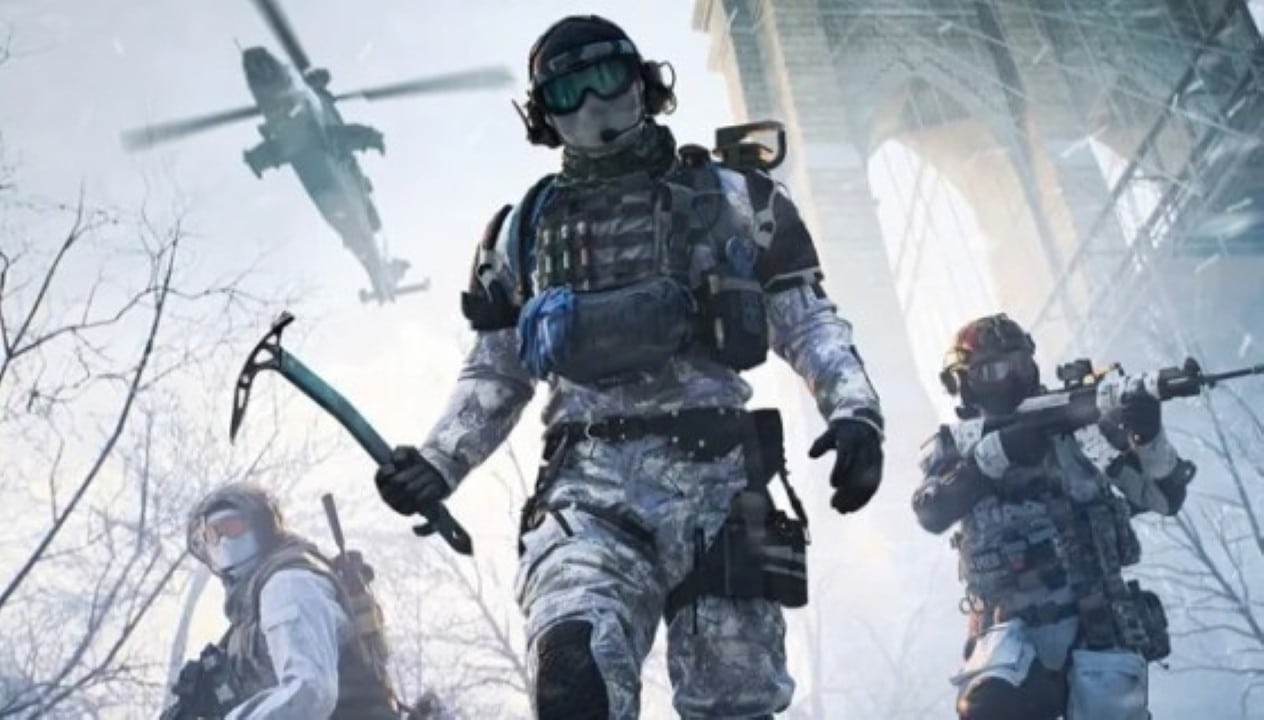
Electronic Arts (EA) confirmed the decision to remove the title Battlefield Hardline from digital console stores, a move that directly impacts players on the PlayStation and Xbox platforms. Embora the PC version remains available, the measure signals the end of the game’s commercialization for a significant part of its fan base, raising discussions about the longevity of digital games and access to previously purchased content. Este delisting process, common in the video game industry, marks the end of a cycle for the game launched in 2015, focused on the theme of police officers and criminals.
Para players who already have Battlefield Hardline in their digital libraries on consoles, the good news is that access to the game and its multiplayer features should still be maintained, at least for now. The delisting refers to the impossibility of new purchases of the title in the respective virtual stores. Contudo, the situation reopens the debate about the nature of digital property and the dependence on servers and licenses for continued use.
Deactivation and the future of consoles
The removal of games from digital platforms is a practice that is often due to a combination of factors, including a declining player base, the expiration of music or intellectual property licenses, and publishers’ strategy of focusing resources on newer titles. In the case of Battlefield Hardline, EA’s decision may reflect a greater focus on games like Battlefield 2042 and future releases in the main franchise. Maintaining servers and online infrastructure for a game with a small community may become economically unviable in the long term.
Este scenario requires reflection on the acquisition of digital games on consoles. Diferente of physical media, which guarantee access to the base game regardless of online availability, digital versions are subject to store and developer policies. Isso may result in the inability to redownload a game in the event of a reinstallation or console change if it is completely removed from the platform’s servers, although this will not be the immediate case for those who already own Hardline.
The legacy of Battlefield Hardline in the gaming scene
Lançado as a spin-off of the acclaimed series Battlefield, Hardline attempted to innovate by moving away from traditional military settings and delving into a universe of urban combat between police and criminals. Desenvolvido by Visceral Games in collaboration with DICE, the game brought new game modes and a single-player campaign with a more focused narrative, inspired by television series. Apesar received mixed reviews upon release, with some praising the change of pace and others missing the epic scale of previous titles, Hardline has gained its own fan base.
Seu multiplayer mode, in particular, offered a distinct experience with assaults, chases, and objective-based modes, moving away from the large infantry and vehicle battles that are the hallmark of the main series. The inclusion of elements of environmental destruction and tactical gameplay in more confined environments provided unique moments and different strategies, marking an interesting chapter in the evolution of the Battlefield franchise.
Differences between platforms: PC versus consoles
The disparity in delisting between consoles and PC raises questions about the different dynamics of each platform. In the PC environment, game distribution is more fragmented, with several digital stores such as Steam, Epic Games Store and EA’s own App (formerly Origin). Além Additionally, PC gaming culture often allows for community maintenance of servers or access to offline versions in a more resilient manner. PC gaming infrastructure also tends to be more open, which can make it easier for gamers and the modding community to preserve.
On the other hand, console stores such as PlayStation Store and Xbox Store operate under tighter control by their respective manufacturers, Sony and Microsoft. Listing, licensing, and maintenance policies are centralized, meaning a decision by the publisher (EA, in this case) can have a more direct and far-reaching impact on game availability. Essa distinction highlights the importance of the policies of each digital ecosystem in the lifespan of a title.
Precedents and preservation of digital games
The delisting of Battlefield Hardline is not an isolated case. The gaming industry has seen countless titles removed from digital stores over the years. Exemplos include games from the Forza Horizon series due to expiring vehicle and music licenses, or older titles that are no longer compatible with modern infrastructures. Este phenomenon raises an alert for the preservation of digital games, a growing challenge in an era where physical media becomes increasingly rare.
Concern about digital preservation is a recurring theme among game historians, museums and the gaming community itself. Sem continued access to these titles, a significant part of video game history and art is at risk of being lost to future generations. Iniciativas of digital archives and community efforts seek to mitigate this loss, but the primary responsibility still lies with publishers and platforms.
Community reactions and the impact on players
News of the delisting usually provokes a mix of resignation and frustration among players. Aqueles who planned to purchase the game on consoles may feel harmed by the loss of the opportunity. While Embora Hardline may not be the most popular title in the Battlefield franchise, it still has a dedicated fanbase that appreciated its unique approach. Removing digital games can create a feeling of loss of control over purchased digital content, especially if future access is compromised.
Para many, the situation reinforces the importance of physical copies, which serve as insurance against the volatility of the digital market. The ability to resell, lend, or simply own a tangible copy of a game is a value that digital media, by its nature, cannot fully replicate. Discussions on forums and social media often reflect this concern, with players expressing disappointment with the ephemerality of digital collections.
Electronic Arts measures and portfolio strategy
Electronic Arts, as one of the largest game publishers in the world, frequently reviews its portfolio of titles to align with its market and development strategies. The deactivation of Battlefield Hardline on consoles fits into a pattern of focusing resources and attention on more active franchises and new projects. Este type of decision is driven by analysis of return on investment, game popularity and the cost of maintaining servers and licenses.
The company has invested heavily in new releases and subscription services like EA Play, which offers access to a library of games, including older titles. Contudo, the permanent removal of games from digital stores represents a step beyond the simple inclusion or exclusion of a subscription service, meaning a definitive goodbye to the possibility of acquisition for new players on specific platforms.
Current scenario and what players can expect
Currently, console players who already own Battlefield Hardline can continue to play and access multiplayer. The main change is for those who had not yet purchased the game, who will now no longer find the title in the PlayStation and Xbox digital stores. The PC version, in turn, remains available for purchase and play, ensuring an option for those who want to experience the unique proposal of Hardline.
Ainda There is no information about an eventual complete retirement of console multiplayer servers, but the delisting is often a prelude to such measures in the future as the player base dwindles further. It’s a reminder to the gaming community that the digital landscape is dynamic and that game availability can change over time.
Reflections on the consumption of digital games
Battlefield Hardline’s situation serves as a case study for the ongoing discussion about the nature of digital game consumption. Enquanto the convenience and accessibility of digital stores are undeniable, the dependence on third parties to maintain access raises questions about the true “ownership” of a digital game. Players ultimately acquire a license to use the software, not the software itself.
Este model has driven the growth of subscription services and the adoption of games as a service, where the expectation is continuous access as long as the subscription is active. Contudo, for older titles, the sustainability of this model is challenging, and delisting becomes a practical solution for publishers. The gaming community and industry continue to navigate these complex waters, seeking a balance between innovation, profitability and preserving the rich history of video games.