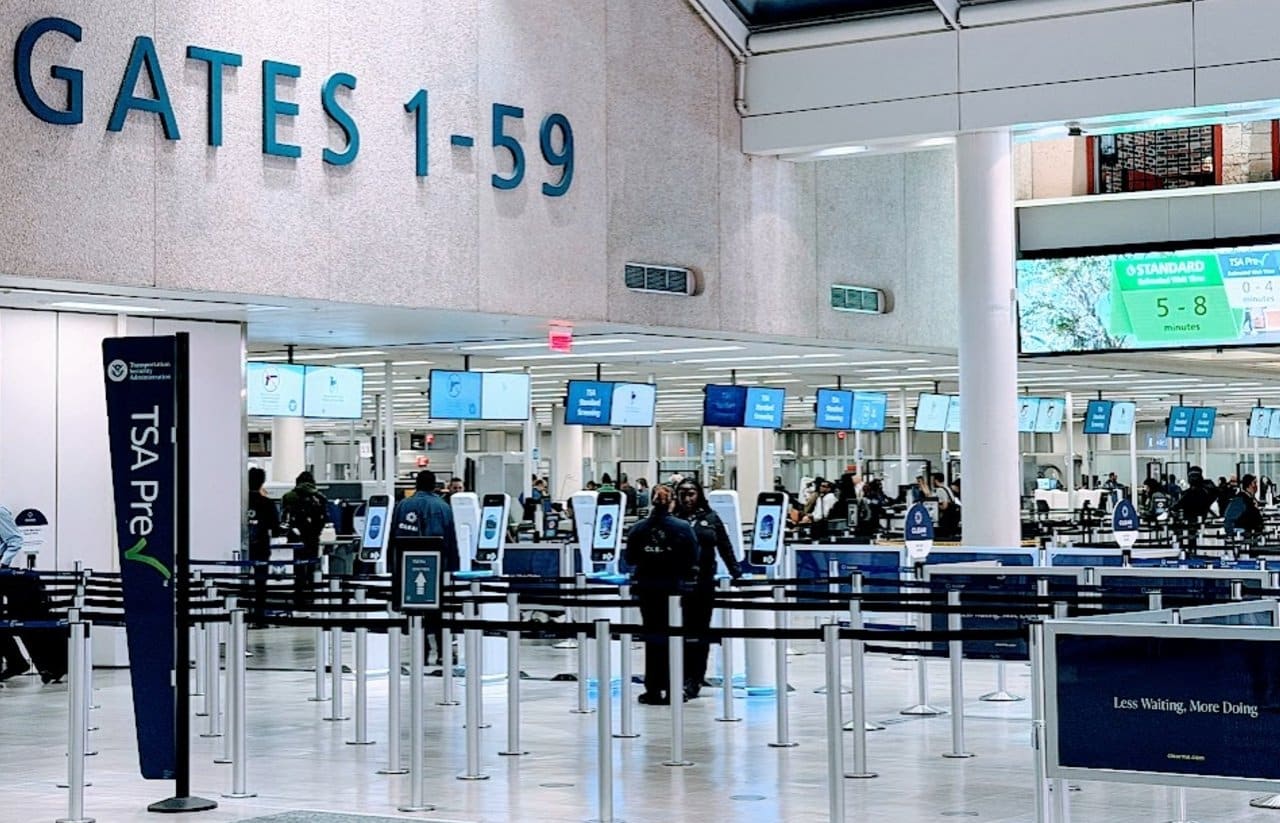
The deployment of federal agents from U.S. Immigration and Customs Enforcement (ICE) to reinforce Transportation Security Administration (TSA) operations at airports across the United States marked a significant development during a prolonged partial government shutdown. This measure was implemented to mitigate staffing shortages and potential security vulnerabilities as the shutdown continued to affect various federal agencies, including the TSA. The decision underscored the critical challenges faced by national security infrastructure amidst fiscal impasses, prompting widespread discussions about inter-agency cooperation, resource allocation, and the broader implications of governmental disruptions on public services and safety.
Escalation of federal agency support
Amidst growing concerns over the functionality of critical federal services, the decision to redeploy ICE agents to assist TSA personnel at airports highlighted an unprecedented level of inter-agency support. As the shutdown progressed, an increasing number of TSA officers, deemed essential, were working without pay, leading to reports of increased absenteeism and longer security lines at major hubs. This situation prompted federal authorities to seek additional resources to maintain standard security protocols and ensure passenger safety.
The integration of ICE agents into airport security operations was primarily a temporary measure designed to alleviate the strain on the understaffed TSA. These agents, typically focused on immigration enforcement, were tasked with roles such as checking identification, managing queues, and assisting with passenger flow, rather than their usual enforcement duties. Their presence aimed to prevent any degradation in security screening efficiency or effectiveness that could arise from the ongoing financial uncertainty affecting TSA employees.
Impact on airport security and operations
The partial government shutdown placed immense pressure on the nation’s aviation security framework, with airports experiencing various levels of operational disruption. While the TSA strives to maintain consistent security standards, the morale of its workforce was significantly impacted by the lack of pay, raising legitimate questions about long-term sustainability. The intervention of ICE agents was intended to be a stopgap solution, ensuring that security checkpoints remained adequately staffed and operational, thereby minimizing potential threats and passenger delays.
Reports from several major airports indicated varying degrees of success in managing the operational challenges. Some airports noted minimal impact on wait times, attributing this to robust contingency planning and the swift integration of additional personnel. Conversely, other facilities experienced noticeable slowdowns and longer queues, particularly during peak travel periods, suggesting that the supplemental staffing might not have fully compensated for the overall strain on the system.
Furthermore, the public reaction to the presence of ICE agents in airport security roles was mixed. While some travelers appreciated the visible effort to maintain security, others expressed confusion or concern regarding the expanded role of an agency primarily associated with immigration enforcement in a domestic security context. This dynamic underscored the complexity of deploying specialized federal resources during emergencies and the need for clear communication regarding their temporary assignments.
Broader implications of government shutdowns
Government shutdowns, while often framed as political impasses, have tangible and far-reaching consequences that extend beyond federal employees’ paychecks. The deployment of ICE agents to airports served as a stark reminder of how such events can ripple through various sectors, disrupting essential services and potentially compromising national security. This particular shutdown brought into sharp focus the vulnerability of interconnected federal systems and the reliance on dedicated public servants.
The incident also illuminated the intricate web of federal agencies responsible for public safety and national defense. When one agency faces operational challenges due to funding lapses, other agencies are often called upon to fill critical gaps, sometimes requiring a deviation from their primary missions. This inter-agency flexibility, while demonstrating resilience, can also raise questions about the long-term impact on the core functions and readiness of the agencies involved.
Moreover, the financial strain on federal workers during a shutdown can have significant economic repercussions. Employees forced to work without pay may face severe personal financial hardship, impacting local economies through reduced spending and increased reliance on social services. This scenario highlights the human cost of political gridlock and the broader societal implications that extend far beyond the immediate operational disruptions. The necessity for federal employees to work without compensation for extended periods during such events often leads to calls for more stable funding mechanisms and preventative measures to avoid future shutdowns.
Roles of ICE and TSA in national security
Understanding the distinct yet complementary roles of ICE and TSA is crucial for appreciating the significance of their temporary collaboration during the shutdown. The Transportation Security Administration, established in the wake of the September 11 attacks, is primarily responsible for securing the nation’s transportation systems, including airports, and ensuring the safety of travelers. Its officers are trained specifically in security screening procedures, threat detection, and passenger interaction within the aviation environment.
U.S. Immigration and Customs Enforcement, on the other hand, is a principal investigative agency of the U.S. Department of Homeland Security, responsible for enforcing federal laws governing border control, customs, trade, and immigration. Its agents possess specialized training in law enforcement, investigations, and detention, distinct from the daily operations of airport security checkpoints. The temporary assignment of ICE personnel to support TSA functions underscored the gravity of the situation, necessitating a broad mobilization of available federal law enforcement resources to maintain continuity in critical areas.
The collaboration, while unusual, illustrated the government’s capacity to adapt and reallocate resources during times of crisis. It also highlighted the diverse skill sets within the Department of Homeland Security, where agents from various components can be cross-trained or temporarily reassigned to address urgent national needs. This flexibility is a critical aspect of federal emergency response, even when the emergency stems from domestic political issues rather than external threats.
Public and congressional reactions
The deployment of ICE agents to airports generated a robust discussion among the public and within legislative circles. Many members of Congress expressed deep concern over the operational impact of the shutdown on essential services, using the airport situation as a prime example of the broader dysfunction. Lawmakers from both sides of the aisle called for an end to the impasse, emphasizing the need to restore full funding to federal agencies and ensure that employees are paid for their vital work.
Public commentary often reflected a mix of frustration and support. Travelers frequently voiced their exasperation over potential delays and the underlying political gridlock, while also acknowledging the efforts of frontline federal workers. Media outlets extensively covered the story, providing updates on airport conditions and interviewing affected employees, which further amplified the public discourse on governmental responsibility and accountability. The situation also prompted renewed calls for reforms to the federal budget process to prevent similar disruptions in the future.
Precedent and future considerations
The temporary deployment of ICE agents to assist the TSA during a government shutdown set a precedent for inter-agency cooperation in times of fiscal crisis. This event underscored the importance of contingency planning and resource flexibility within federal agencies to maintain essential services. It also reinforced the need for stable and predictable funding for critical national security functions.
Moving forward, the lessons learned from this period of disruption continue to inform discussions about federal workforce resilience and the impact of political decisions on operational readiness. Policy makers and agency leaders routinely review such events to identify areas for improvement in crisis management and to bolster the continuity of government operations. The episode remains a significant reminder of the interconnectedness of federal services and the imperative to safeguard them against unforeseen challenges.
