

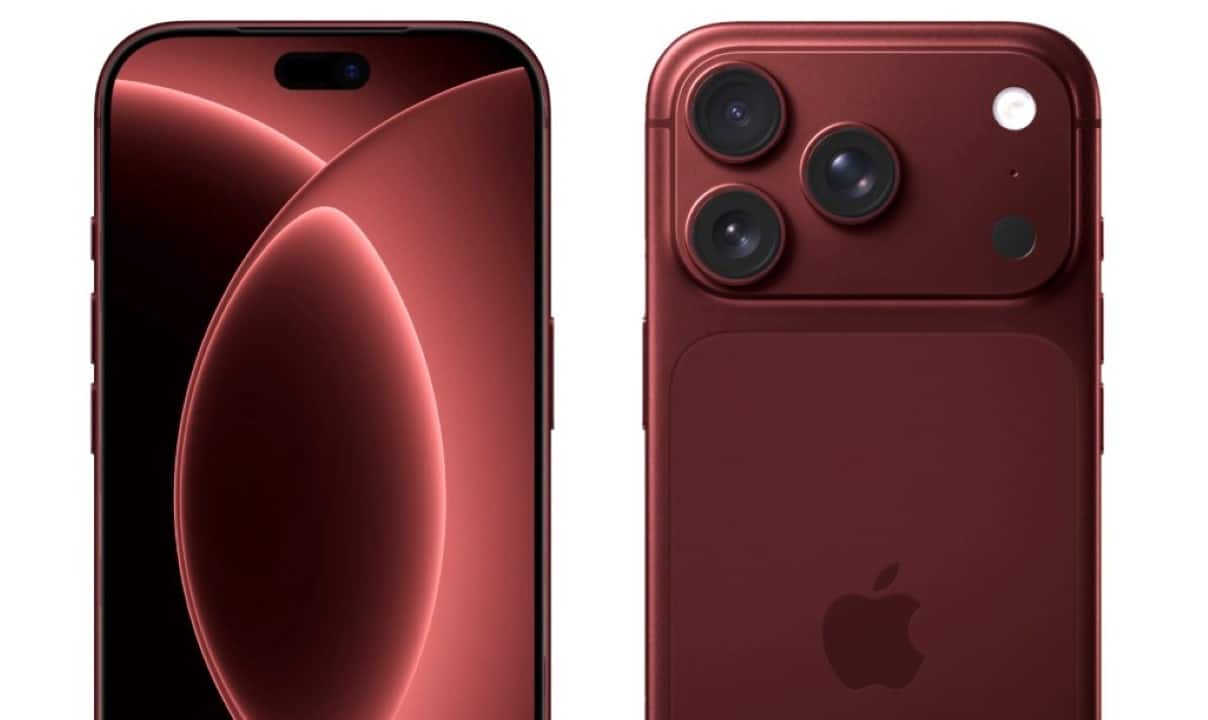
The mobile device industry is going through a restructuring phase with preparations for the arrival of a new generation of high-performance devices on the global market. The development of a premium smartphone with unprecedented specifications promises to change consumer dynamics and establish new engineering standards for the telecommunications sector. The project involves the adoption of a bold aesthetic, characterized by a translucent rear panel, and the integration of redesigned internal components to withstand extreme processing and autonomy demands. The introduction of a power source that surpasses the 5000mAh mark represents a significant leap in the equipment’s operational capacity, requiring complex adaptations to the motherboard architecture and heat dissipation systems.
Engineering teams focus efforts on fundamental pillars to enable the product and ensure the stability of the operating system under continuous stress.
– Ampliação of battery life to support new data processing demands.
– Otimização of internal space by reducing traditional connectors and physical drawers.
– Implementação of an advanced cooling system to prevent the cores from overheating.
Engineering applied to translucent design and thermal dissipation
The application of a semi-transparent glass back poses rigorous challenges to the production line, requiring the creation of internal components that are visually pleasing and, at the same time, highly functional. The chosen material goes through chemical hardening processes to avoid premature yellowing and guarantee resistance against drops and scratches, essential characteristics for a premium category device that sets trends in the industry. Além In terms of aesthetics, transparency requires the relocation of flexible cables and radio frequency modules, which now need to be hidden or perfectly integrated into the design of the main board so as not to pollute the appearance. Para deal with the heat generated by the new ultra-high-speed processors, the structure incorporates a high-efficiency vapor chamber combined with graphene blankets, replacing the old solutions based solely on copper. Esse mechanism accelerates thermal transfer to the device’s titanium edges, preventing heat from concentrating in the battery area and compromising the durability of electronic components during high-demand tasks, such as high-end games, rendering projects in three dimensions and recording videos in very high continuous resolution.
Energy capacity and transition to digital connectivity
The power module of the new device records the highest capacity ever documented in the history of the product line, reaching peaks of up to 5200mAh in specific configurations. The increase in internal volume was made possible by the definitive removal of the physical tray for operator cards in all global markets, a profound structural change.
The unique transition to virtual chip technology frees up valuable space on the printed circuit board. The absence of physical compartments also reduces points of vulnerability against the ingress of water and dust, raising the device’s resistance certification to standards higher than those found in the previous generation of mobile phones.
Updates to screen dimensions and invisible biometrics
The proportions of the equipment present a slight increase compared to previous models, with the screens measuring 6.3 inches in the standard version and 6.9 inches in the larger variant. The adjustment in dimensions allows you to accommodate the new set of lenses and improved sensors without compromising ergonomics.
The facial recognition system has undergone a complete redesign, with the infrared emitters and biometric reading cameras positioned under the display panel. The technology reduces the area occupied by sensors by approximately thirty-five percent, eliminating visible cutouts.
The useful viewing area gains more space, providing an immersive experience for consuming media and reading documents. Software developers prepare adaptations to the operating system to take advantage of the new screen ratio efficiently and fluidly.
Innovations in the photographic set and variable aperture
The image capture module features a variable aperture mechanism, a technology inherited from professional cameras that physically adjusts the amount of light that reaches the main sensor. The functionality dramatically improves performance in low-light environments or complex artificial lighting.
Depth of field can be controlled with greater precision, allowing for natural blurs without relying solely on software algorithms. The lenses undergo a new generation anti-reflective treatment to avoid unwanted light distortions.
The optical image stabilization system works in conjunction with high-precision gyroscopes to eliminate shake during motion recording. The quality of video capture reaches cinematic levels, meeting the demands of digital content creators.
Color calibration and dynamic range are processed instantly by dedicated artificial intelligence cores. The image signal processor identifies complex scenarios and adjusts photographic parameters in fractions of a second to deliver the best visual result.
Data processing and expansion of satellite communication
The smartphone’s operating core is driven by a processor manufactured using nanometer-precision lithography, designed to maximize energy efficiency and provide computing power equivalent to that of high-end portable computers. Random access memory reaches the twelve gigabyte mark, ensuring fluid execution of local language models and generative artificial intelligence tasks without the need for constant connection to external servers. The chip’s architecture divides operations between high-performance cores and efficiency cores, activating maximum power only when the user demands intense graphics processing or rendering of heavy files, preserving battery charge in everyday activities.
The satellite communications infrastructure receives a significant expansion, moving beyond simply issuing emergency alerts to allow the exchange of short text and audio messages in remote areas. The internal antenna was redesigned to capture signals from low-orbit satellite constellations more quickly, facilitating contact for professionals who work in regions without traditional cellular network coverage. The feature operates in the background, automatically searching for stable connections when the system detects the absence of terrestrial transmission towers, ensuring that the user remains accessible even in adverse geographic conditions or during massive failures in local telecommunications networks.
Market strategy and distribution schedule
The Asian supply chain has begun calibrating industrial machinery to meet the large-scale production demand scheduled for September. Component suppliers guarantee sufficient stocks for simultaneous launch in the world’s main commercial hubs.
Pricing expectations and commercial positioning
The cost of developing new materials and implementing cutting-edge technologies directly reflects the final value of the product on the shelves. Analistas from the technology sector project that the device will occupy the highest price range in the manufacturer’s portfolio, requiring considerable financial planning on the part of consumers interested in the update.
In the Brazilian economic scenario, where the current minimum wage reaches R$1,621, the acquisition of equipment of this size represents a substantial investment. The commercial strategy aims to attract a specific audience, focused on high-level hardware innovations and the exclusivity provided by the new design, consolidating the brand at the top of the pyramid in the mobile technology market.