
The technology giant confirmed the expansion of its line of mobile devices with the introduction of a new device aimed at the premium mid-range segment. The initial launch will take place in the North American market in early March, followed by availability in Asian stores, specifically at Japão, in mid-April. The strategy aims to capture consumers looking for advanced features at a more affordable cost, offering a robust alternative to the more expensive models currently available on the shelves.
The new model brings significant upgrades over its predecessors, focusing on durability, battery performance and display quality. The manufacturer implemented changes in the physical design and internal architecture to optimize daily use, responding directly to the demands of users who need reliable equipment for communication, work and entertainment. Product engineering prioritized seamless integration between hardware components and the operating system.
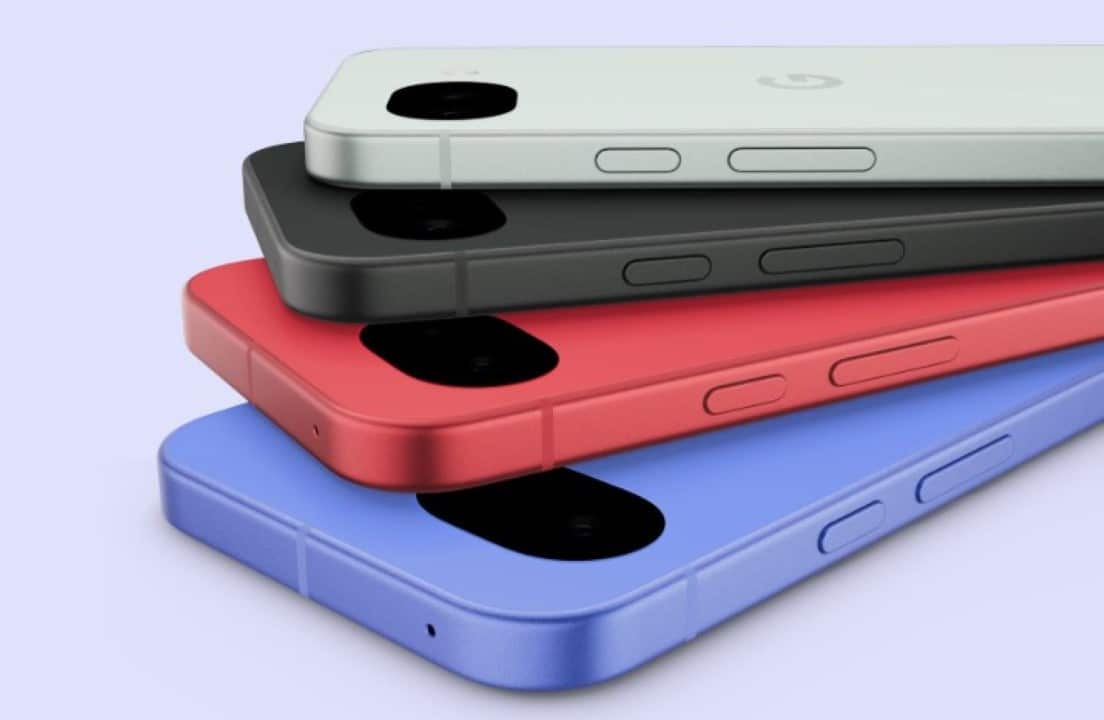
Among the main features confirmed for the device, the following technical points stand out:
– Processador developed in-house for greater energy efficiency and speed;
– Sistema of cameras updated with high-resolution lenses for photos and videos;
– Estrutura reformulated physics with a flat finish and high-resistance materials;
– Suporte extended for OS updates and security packages.
Estimated values and commercial positioning
The suggested price for international retail was set at $499, maintaining the same price range as the previous generation. Essa pricing puts the device in direct competition with other brands that dominate the intermediary sector, requiring a robust specifications package to attract the public. The decision not to increase costs reflects an aggressive tactic to gain market share at a time of high competitiveness in the telecommunications sector.
In Asian stores, direct conversion points to an approximate value of 80 thousand yen. The price maintenance, combined with the inclusion of new hardware components, indicates an attempt by the manufacturer to increase its share of global sales without burdening the end consumer. Local operators are already preparing promotional campaigns to encourage the exchange of old devices for the new model during the launch period.
Processing and internal storage specifications
The device’s processing core is powered by the Tensor G4 chip, the same component used in the brand’s most expensive versions. Essa choice ensures that the device can perform complex tasks, image processing and artificial intelligence functions with the same fluidity as high-end models. The processor architecture was designed to learn the owner’s usage patterns, optimizing resource allocation in real time.
To accompany the processor, the system has 8 GB of RAM memory, an amount considered adequate for managing multiple simultaneous applications. The memory architecture has been optimized to reduce power consumption during periods of device inactivity, allowing background processes to continue running without draining the load quickly. Isso results in agile navigation when switching between social networks, emails and media players.
Consumers will have two internal storage options at the time of purchase: 128 GB or 256 GB. The device does not support expansion via external memory cards, which requires careful choice of capacity at the time of purchase. The lack of a card slot is compensated by deep integration with cloud storage services, which facilitates the automatic backup of photos, videos and important documents.
Software updates and system longevity
The device will leave the factory running the Android 16 operating system, the most recent version of the platform. The interface was designed to offer intuitive navigation, with simplified menus and quick access to the most used settings on a daily basis. The clean software, without heavy interface modifications, guarantees a fluid and crash-free experience, even after months of continuous use and installation of different applications.
One of the main advantages announced by the manufacturer is the commitment to the longevity of the software. The device will receive seven years of operating system updates and security packages, ensuring protection against vulnerabilities for a long period. Essa promise sets a new standard for the category of mid-range smartphones, which have historically suffered from premature abandonment by developer companies.
This extended update policy reduces the need to frequently change devices, aligning with more sustainable and economical consumption practices. Ongoing support also ensures that the phone remains compatible with new applications and services that may be released in the coming years, preserving the value of the device and ensuring that the user has access to technological software innovations without having to purchase new hardware.
The software includes native photo editing and file management tools, eliminating the need to install third-party applications for basic functions. Integration with the manufacturer’s ecosystem of services allows automatic data synchronization, facilitating the transition of information for users who already use company accounts on computers and tablets. The integrated virtual assistant also received improvements in understanding natural voice commands.
Energy capacity and recharge speed
The autonomy of use received special attention in the development of the project, resulting in the inclusion of a battery with a capacity of 5100 mAh. Esse volume energético é suficiente para manter o aparelho em funcionamento durante um dia inteiro de uso moderado a intenso, suportando navegação na internet, reprodução de vídeos em alta definição e uso contínuo de aplicativos de mapeamento via satélite sem a necessidade de recargas intermediárias. Power management is aided by the efficient processor, which adapts consumption according to the owner’s usage patterns, reducing screen brightness and limiting unnecessary processes when load reaches critical levels.
The recharging system underwent a complete redesign, adopting the 45W standard through wired connections. Essa speed represents a significant leap compared to the 23W offered in the previous generation, allowing the battery to recover a large part of its charge in a few minutes when plugged in, ideal for emergency situations before leaving home. The device also supports wireless charging, operating at speeds between 7.5W and 10W, which provides convenience for users who prefer to keep charging bases on desks or nightstands, eliminating the constant dependence on physical cables.
Display quality and structural strength
The front of the device is dominated by a 6.3-inch OLED screen, which abandons the curved edges in favor of a completely flat design. Essa aesthetic and functional choice facilitates the application of tempered glass protective films and significantly reduces accidental touches to the sides during one-handed handling. The panel offers a variable refresh rate that reaches up to 120Hz, providing extremely smooth image transitions in electronic games and scrolling web pages, adapting the frequency automatically to save battery when displaying static images. The maximum brightness level has been significantly increased to operate between 2700 and 3000 nits, ensuring perfect readability of texts and clear viewing of photos even in direct sunlight outdoors. The glass is protected by Gorilla Glass 7i, a material specifically developed to resist deep scratches and accidental drops from moderate heights onto rigid surfaces. The general structure of the phone is IP68 certified, proving its maximum resistance against the ingress of fine dust and allowing temporary submersion in fresh water, which gives the user peace of mind on rainy days or accidents involving liquids.
Photographic setup and image capture
The rear camera set consists of a 48-megapixel main sensor and a 13-megapixel ultra-wide-angle lens, designed to capture wide landscapes and groups of people in confined spaces. The front camera, dedicated to video calls and self-portraits, also has 13 megapixels of resolution, ensuring clarity in visual communications. Image processing uses advanced algorithms to correct lighting in dark environments, quickly focus on moving objects and deliver photographs with accurate colors and a high level of detail, maintaining the brand’s reputation in the mobile photography segment.
Ergonomics and physical design choices
The abandonment of rounded edges on the back and screen reflects a change in consumer preferences, who are currently looking for devices with a firmer and more symmetrical grip. The flat design distributes the weight of the device evenly, reducing hand and wrist fatigue during long periods of typing messages or prolonged video format media consumption.
The color options available at launch include sober tones and lighter variations, catering to different personal style profiles. The finish on the back was chosen to minimize fingerprints and offer greater grip against slipping, eliminating the mandatory use of bulky protective covers for those who prefer to use the phone in its original state and appreciate the industrial design conceived by the manufacturer.
