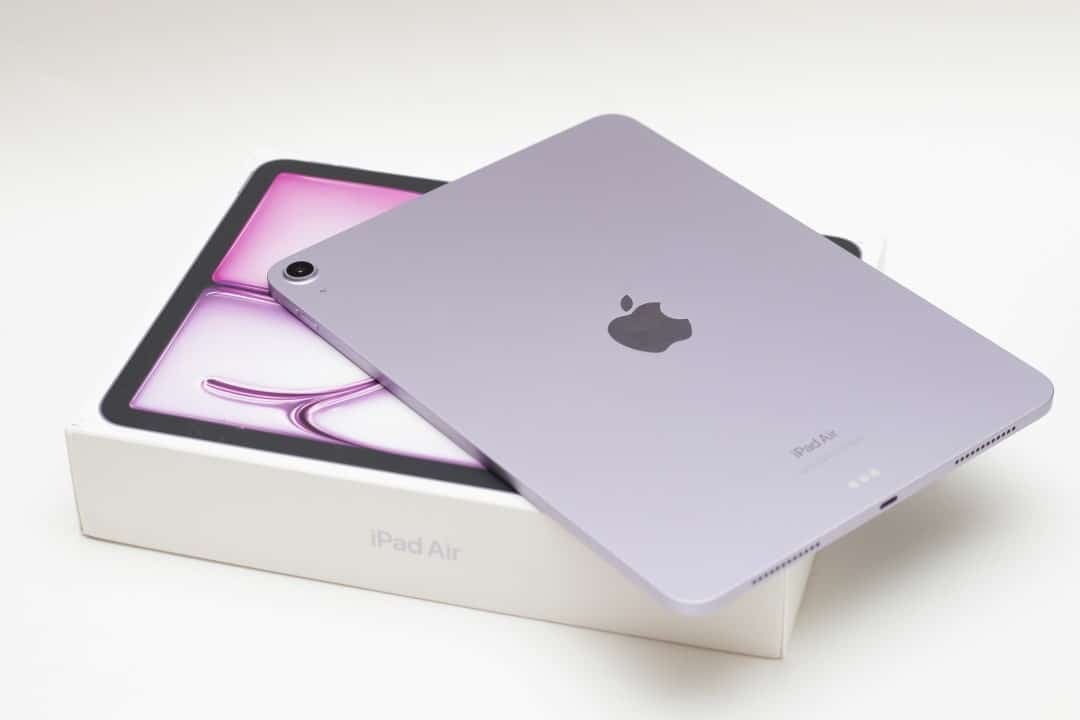
John Ternus internally argued that the iPad needed its own operating system to take advantage of the full potential of its hardware. The executive, currently senior vice president of hardware engineering at Apple, argued that sharing the same platform as the iPhone limited the use of the tablet’s more powerful processor and larger screen. Ele persisted with the proposal until he convinced Craig Federighi to develop the new system, which paved the way for advanced multitasking capabilities similar to those of a desktop computer.
This change marked the biggest software advancement in iPad history. Durante years the device ran on iOS because of its origins as a scaled-up version of the smartphone. The arrival of iPadOS allowed the emergence of exclusive features that made the tablet more attractive for productive tasks, including the simultaneous management of multiple windows and applications.
Development of accessories expanded the usefulness of the iPad
John Ternus also played a central role in creating the accessories that complement the iPad. Ele directly contributed to the development of the Apple Pencil and Magic Keyboard, as well as the magnetic charging and pairing systems that facilitate the daily use of these items. Esses components transformed the tablet into a more versatile tool for drawing, note-taking, and extended typing.
Ternus’s leadership in hardware explains the focus on integrated solutions that combine ergonomics and technology. Accessories emerged to solve limitations perceived in the first models and today they are an essential part of the experience of many professional users.
Joint work between hardware and software teams has resulted in a more cohesive ecosystem. Usuários report greater fluidity when switching between content production and consumption modes thanks to these integrated advancements.
Influence of Ternus on the succession profile of Apple
The recently published profile highlights Ternus as an influential figure within the company. Como responsible for hardware engineering, he oversees the development of products that represent a large part of Apple’s revenue. Sua activities range from expanding the iPad line to contributing to other important devices.
Ternus joined Apple in 2001 and has been involved in several product generations. Ele stood out for its ability to coordinate technical teams and deliver consistent improvements in performance, battery and connectivity.
This trajectory reinforces the view that the executive deeply understands both the technical side and the needs of end users.
Switch to iPadOS allowed exclusive features
The separation of iPadOS from the original iOS freed the tablet to evolve independently. Recursos as desktop-like multitasking emerged after the creation of the new system and continued to improve in later versions.
Users who rely on the iPad for work will notice a significant difference in the ability to organize apps into resizable windows and dedicated workspaces.
The development process involved deep adjustments to the interface to respect the essence of the tablet while adding flexibility.
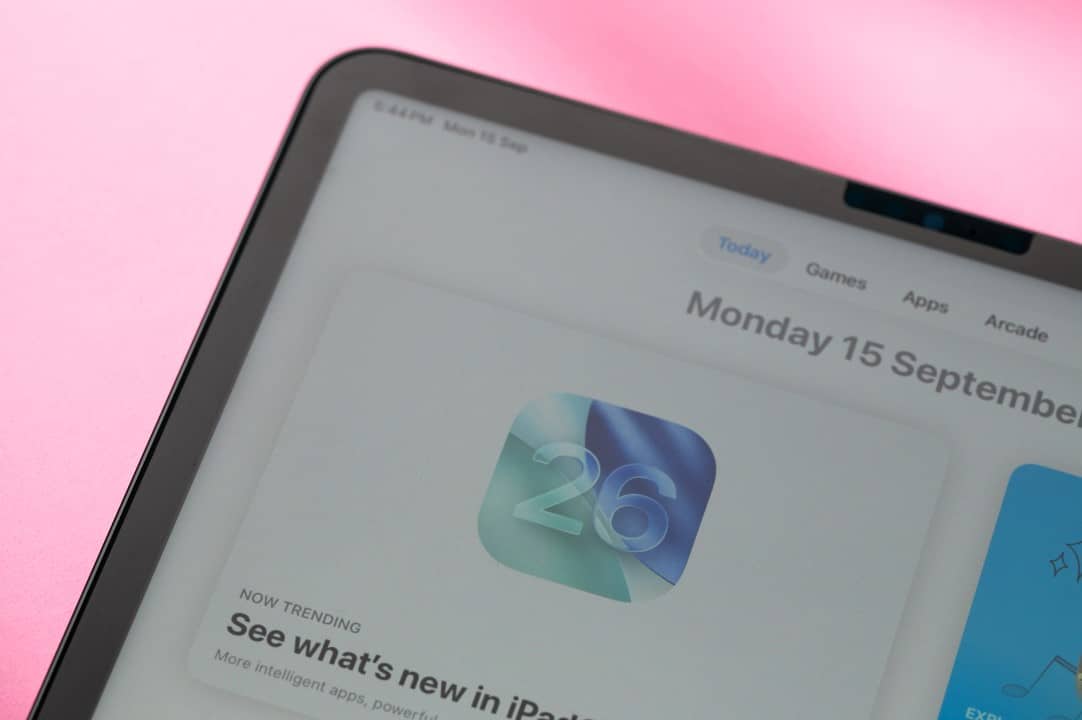
Integration between hardware and software marked evolution
Ternus’s insistence on aligning software with hardware potential prevented the iPad from remaining restricted to its initial limitations. Internal collaboration allowed engineering ideas to influence high-level software decisions.
Accessories like the stylus and keyboard have benefited from this integrated vision from the beginning. Seus magnetic mechanisms simplify pairing and charging, reducing friction in everyday use.
Newer iPad models incorporate these learnings to deliver even more fluid experiences for tasks that require precision or extensive typing.
Role of Ternus in Apple’s product line
Ternus has taken on increasing responsibilities over the years and today leads all of the company’s hardware engineering. Seu involvement covers iPhone, iPad, Mac and other devices.
Expanding the iPad lineup with new sizes and configurations reflects some of its previous work. Ele also contributed to the launch of products like AirPods and the first iPhones with 5G support.
These initiatives demonstrate a constant focus on quality and practical functionality.
- Continuous improvement in performance of dedicated iPad processors
- Deeper integration between accessories and operating system
- Interface tweaks to support advanced multitasking
- Expanded storage and connectivity options on current models
The collaborative approach within Apple allowed hardware contributions to directly influence software development.
The result appears in recent versions of iPadOS that feature more flexible windows and improved organization tools.
This evolution keeps the iPad as a relevant option for both consumption and content creation.
