

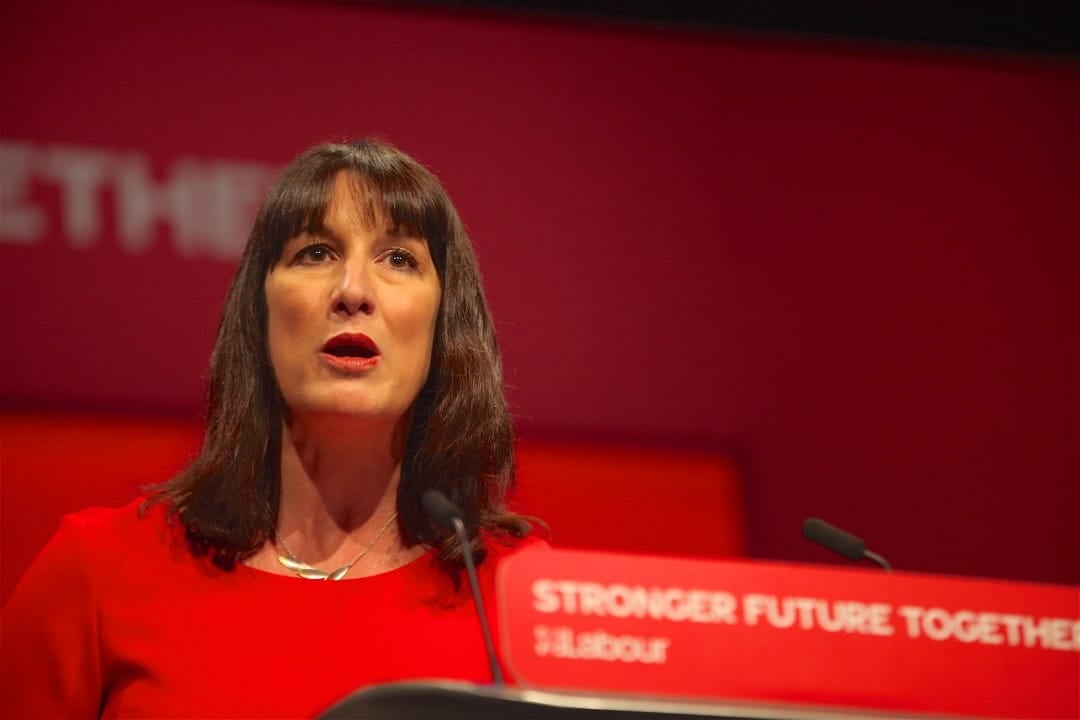
The chancellor of Reino Unido, Rachel Reeves, made a statement at Câmara of Comuns about the economic effects of the conflict in Ela confirmed that the government is working on contingency planning to offer targeted support for the energy bills of those who need it most. Medidas include £150 reduction in tariffs for all homes from next week and additional £53 million support for off-grid heating fuels. Reeves highlighted that the selective approach avoids the waste observed in the previous universal scheme, when a third of the benefit went to the richest third of families.
The statement came amid uncertainty about the full impact of the war on oil and gas prices. Reeves emphasized that the government maintains strict fiscal rules to control inflation and interest rates. Ela criticized the Conservative government’s previous scheme for generating more debt without prioritizing the vulnerable. The current approach combines limited universal support with aid focused on specific groups, according to the chancellor.
Contingency planning for energy support
Reeves reported that the government collaborates with Departamento of Trabalho and Pensões and local authorities to identify beneficiaries of targeted support. The goal is to keep costs low for everyone while protecting those facing greater difficulties. Ela mentioned that Partido Conservador’s previous plan distributed resources broadly, which increased inflation, interest and future taxes.
The Chancellor confirmed the government is extending cuts to fuel tax and boosting the cheapest price finder to prevent abuse. Essas actions aim to provide families with certainty until July, with the price cap in force. Reeves argued that the progressive and universal model adopted now balances general aid with a focus on those most in need.
Measures against speculation and strengthening energy security
The government announced today that it will expand the powers of Autoridade from Concorrência and Mercados to detect and punish abusive price increase practices. The new anti-fraud framework includes temporary and targeted powers to curb exploitation of the crisis. Reeves stated that no company will be tolerated taking advantage of the current situation.
In addition, the executive speeds up critical energy infrastructure projects with compensation against legal delays. Medidas include lifting the ban on onshore wind, streamlining grid connections and a record offshore wind auction. The government is also negotiating participation in the União Europeia energy market and will legislate recommendations for new nuclear plants.
- The government has doubled the number of those eligible for the heated homes discount.
- The two-child limit on social benefits has been removed.
- Lei of Direitos of Inquilinos was introduced to assist renters.
- Fuel tax cuts have been extended to stabilize prices.
Opposition reactions and debates in Parlamento
Conservative deputies questioned the government’s consistency and criticized the reduction in oil and gas extraction from Mar to Norte. The shadow of Chancellor Mel Stride accused the executive of weakening energy security and the economy. Reeves countered that decisions on fields such as Rosebank and Jackdaw follow a quasi-judicial process led by the secretary of Energia.
Liberal Democrats have proposed energy security bank with low-interest loans and VAT reduction on heating oils. Reeves responded that the government prioritizes a progressive approach with a £150 general discount plus targeted support. Ela recalled past contradictions of opposition parties regarding nuclear and taxes.
Government position in the face of the conflict
Reeves stated that Prime Minister Keir Starmer coordinates international efforts to keep Estreito of Ormuz open and release oil reserves. The government works on defense partnerships and monitors the impact on energy prices. The chancellor admitted that the full effect of the war is not yet known, so planning must be agile.
She reinforced that the executive acts within fiscal rules to avoid increases in inflation and interest rates. The focus remains on protecting vulnerable families without repeating the mistakes of universal schemes that disproportionately benefited the richest.
Details about actions already implemented
The government introduced an immediate £150 reduction in energy bills thanks to the previous budget. Quando Kerosene prices doubled overnight, rapid support of £53 million was released to those who needed it most. Reeves highlighted that these interventions took place within a few days, demonstrating responsiveness.
Additional measures include consumer empowerment via cheap fuel finder and pushing for 100% compliance at stations. The executive is also preparing a renewable auction in July and accelerating grid connections for wind projects.
Debate about extraction in Mar from Norte
Deputies from different parties discussed the balance between reducing emissions and energy security. Reeves approved connections of new deposits via tiebacks, but recalled that approvals for large fields follow independent criteria. Sindicatos like Unite advocated greater support for the offshore industry to preserve jobs and domestic production.
The chancellor mentioned that the Reino Unido will still need oil and gas for decades, but the chosen path prioritizes controlled transition and diversification of sources. The statement took place in a session with questions from Labor, Conservative and Liberal Democrat parliamentarians.
Reeves concluded the debate by reaffirming that contingency planning advances for every possible scenario. The government seeks to maintain fiscal stability while responding to global challenges caused by the conflict in Irã.