

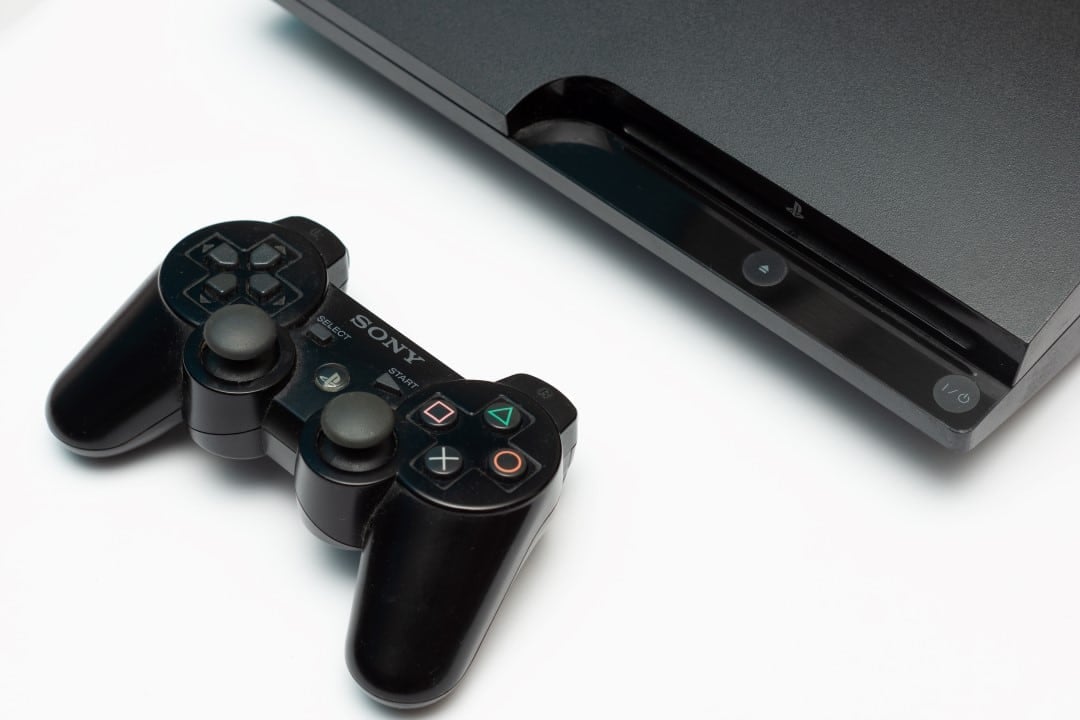
Sony Interactive Entertainment, maker of the renowned PlayStation console line, has announced a significant shift in its game release strategy, with a renewed focus on the console-only experience and a drastic revision of plans for the PC versions of its narrative titles. The decision represents an adjustment in the company’s positioning, which in recent years had been exploring the PC market with tolls of its great successes, seeking to expand the reach of its franchises and diversify revenue sources. Este movement, however, signals a return to valuing the PlayStation platform as the main stage for its most immersive and story-rich productions, potentially redefining players’ expectations on various platforms.
The change in release policy directly impacts titles with a strong narrative component, which are the trademark of many of PlayStation’s internal studios. With this reorientation, the company seeks to strengthen the value proposition of its own ecosystems and ensure that the user base of its consoles continues to have priority and, in some cases, exclusive access to these carefully crafted experiences. The complexity of development and the need to optimize for multiple platforms may have influenced the decision, allowing teams to focus on improving performance and immersion in a more controlled environment.

While the expansion to PC was seen by many as a natural step for Sony, following the trend of other major game publishers, the company now appears to be recalibrating its goals. The prioritization of consoles may be an effort to reinforce the PlayStation brand identity and encourage the purchase of hardware by consumers who want to enjoy the most anticipated narrative games.
Market reassessment and focus on the PlayStation ecosystem
Sony’s decision to reevaluate its approach to narrative gaming on computers and focus efforts on PlayStation consoles reflects an in-depth analysis of the market and the strategic value of its platforms. The company has an undeniable track record of success with exclusive titles that have become industry icons, and maintaining a strong library of games accessible primarily on its hardware can be seen as a fundamental pillar for the sustainability and growth of the PlayStation ecosystem. Esta strategy aims not only at selling games, but also at consolidating the brand and gaining loyalty among its vast community of players.
The foray into the PC market, although it generated additional profits and introduced PlayStation franchises to a new audience, may have diluted, in the company’s perception, the exclusivity and immediate appeal of its most important releases. By refocusing, Sony may be seeking to optimize development and marketing resources, ensuring that the quality and cultural impact of its narrative games are maximized within the PlayStation environment. Isso could mean an even greater investment in innovations for the console and in features that enhance the gaming experience on its native platform.
Furthermore, competition in the PC market is intense, with a wide range of titles and distribution platforms. Sony may have identified that the return on investment in complex PC ports, especially for games with a strong narrative appeal that traditionally benefit from a more “curated” console experience, did not justify the dispersion of resources. The company is therefore seeking a more cohesive and strategic approach to its intellectual property assets, ensuring that each release contributes more directly to strengthening the PlayStation brand.
Implications for developers and players
The change in Sony’s strategy will have significant implications for both development studios and the gaming community. Para internal developers and partners working on narrative games, the guideline to focus primarily on consoles simplifies the optimization process and allows teams to focus on extracting the maximum potential from PlayStation hardware. Isso can result in games with even more impressive graphics, improved performance, and exclusive features that take advantage of the console’s specific capabilities, such as the DualSense controller. Clarity on the target platform can speed development and reduce technical complexity, enabling studios to focus on creative innovation and storytelling depth.
On the other hand, PC gamers eagerly awaiting ports of future PlayStation narrative titles may feel disappointed. The expectation that all of Sony’s major releases would eventually arrive on PC, after a period of exclusivity on the console, was growing. Essa new policy may force some to consider purchasing a PlayStation console to access these games, or to accept that certain experiences will remain exclusive to the platform. The decision could also influence how gamers view Sony’s porting strategy in the future, with possible greater uncertainty over which titles will arrive on PC and when.
Still, it’s important to note that this reorientation focuses specifically on “narrative games.” Isso suggests that other genres, such as service games or multiplayer titles, may still have a path to PC, depending on Sony’s market analysis in each case. The company may be looking to fine-tune its portfolio, where console exclusivity is valued more for immersive stories, while other types of games may benefit from a larger player base across different platforms.
The future of exclusivity and competition in the market
Sony’s decision to prioritize consoles for its narrative games reignites the debate about the importance of exclusivity in the current scenario of the video game industry. In a period where Microsoft has been aggressively expanding its games to multiple platforms, including PC and cloud services, Sony appears to be reaffirming the value of its hardware as a competitive differentiator. The exclusivity of high-caliber titles has historically been a key factor in driving console sales, and PlayStation is looking to capitalize on this advantage to maintain its leadership in the hardware market.
Competition in the video game sector is fierce, with companies investing heavily in exclusive content and subscription services. By focusing on its strengths and what, according to the company, best defines the PlayStation experience, Sony may be seeking a clear differentiation strategy. Isso does not mean a complete abandonment of the PC, but rather a more selective and strategic approach, where portability to other platforms is an exception, rather than the rule, for its most iconic and narrative-focused titles.
This stance may also be a response to the saturation of the gaming market across multiple platforms, where differentiation through quality and exclusivity becomes even more crucial. Sony is betting that the optimized experience on its console, combined with the immersive narrative of its games, will be enough to attract and retain its user base.
Challenges and opportunities for the industry
Sony’s strategic shift presents both challenges and opportunities for the gaming industry as a whole. One challenge is the possible fragmentation of the player base, with some titles remaining inaccessible to those who prefer to play on computers. However, the opportunity lies in the possibility of further improving the quality and innovation of narrative games developed specifically for consoles. By concentrating resources on a single platform, studios can fully exploit PlayStation’s technical capabilities, delivering experiences that would be difficult to replicate in a more dispersed development environment.
This approach may also influence other companies to reevaluate their own multiplatform strategies, seeking a balance between market reach and preserving the identity of their brands and platforms. Sony, with its vast experience and success in the console segment, may be signaling a trend towards valuing a more “curated” and optimized gaming experience, in contrast to the proliferation of games on every platform imaginable.
In the long term, the Sony decision could encourage greater innovation in console game design, with developers exploring hardware and software features that are unique to PlayStation. Isso can result in new forms of interaction, cutting-edge graphics and even more immersive narratives, raising the quality standard for the entire industry. The company continues to monitor the global scenario and adapt to consumer demands and the dynamics of the digital entertainment market.
PlayStation’s future prospects on the global stage
PlayStation’s strategic reorientation towards narrative games and focus on its consoles signal a long-term vision for the company on the global entertainment scene. Sony is constantly striving for excellence and innovation, and this decision could be a calculated step towards ensuring that the PlayStation brand continues to be synonymous with high-quality gaming experiences and impactful storytelling. The company understands that, in an increasingly competitive market, differentiation is essential.
Consolidating its most acclaimed titles on its own platform not only strengthens the brand, but also creates a virtuous cycle, where the quality of games drives hardware sales, which in turn finance the development of new and even more ambitious projects. PlayStation has consistently demonstrated its ability to adapt and evolve, and this new phase could be another chapter in its success story, setting the path for future generations of players and developers.
The company may also be preparing for future hardware or service launches that will directly benefit from this more focused approach. Integration between software and hardware has always been a pillar of the PlayStation strategy, and reinforcing this connection with more premium narrative content could be a way to pave the way for even greater innovation, ensuring that PlayStation remains at the forefront of technology and creativity in the world of video games.