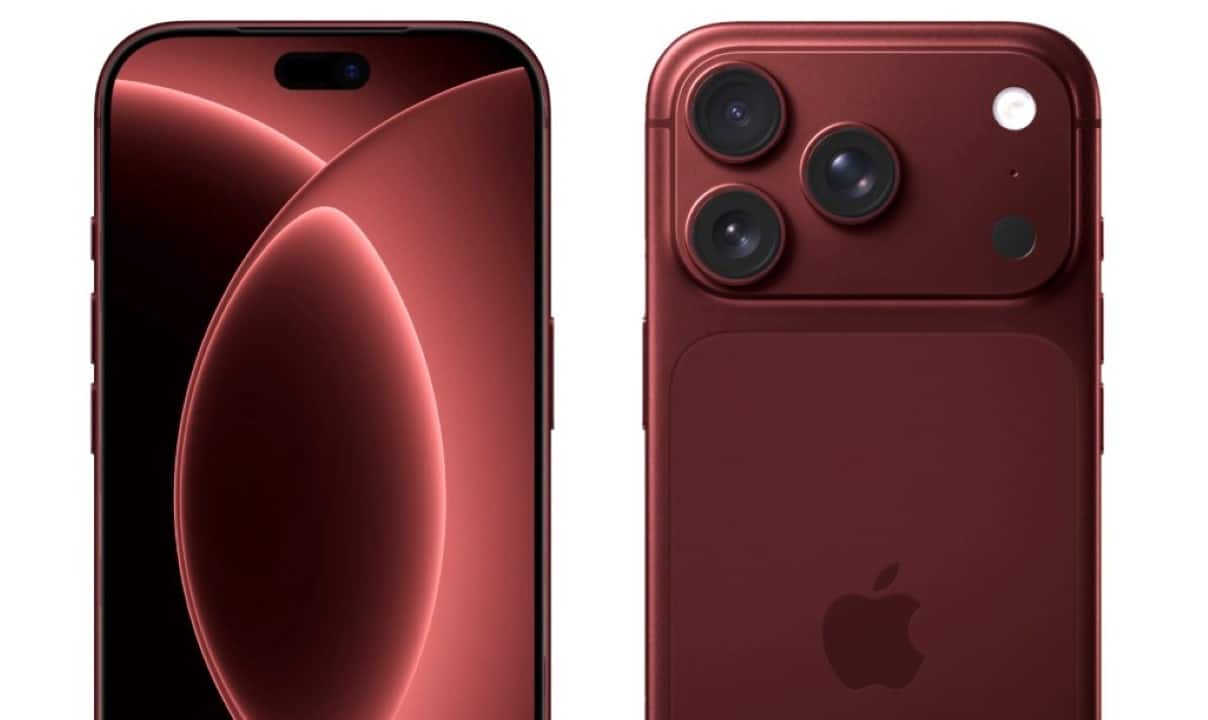
The global mobile device industry is about to see a significant shift in hardware design with the arrival of a new generation of high-performance smartphones. The manufacturer decided to go for a bold aesthetic, completely overhauling the external appearance to include a semi-transparent glass back panel. Esta visual change will allow consumers to directly observe the device’s internal components, marking a departure from the traditional opaque metal or colored glass backs that dominated the market in the last decade.
This innovative aesthetic choice is accompanied by a substantial update in the equipment’s energy capacity. The new device will have a battery that exceeds the 5000mAh mark, meeting users’ long-standing demand for greater autonomy. The combination of a translucent design with a high-density power module requires a complete restructuring of the internal architecture, as all previously hidden parts will now be part of the product’s visual presentation.
Engineering teams are currently finalizing the layout of internal components such as the motherboard, power connectors, and thermal management system. Devido the visibility of these pieces, there is a need for meticulous finishing on materials that previously did not receive aesthetic treatment. Flexible Cabos, radio frequency shields and memory modules will need to present a clean and organized look, transforming the cell phone’s interior into a true technological showcase.
Visual engineering and component adaptation
Implementing a transparent backplane creates unprecedented logistical and manufacturing challenges for the supply chain. Glass and metal alloy suppliers are modifying their production lines at Ásia to ensure the material offers structural strength and impeccable visual clarity. The objective is to avoid any optical distortion that could compromise the visualization of microchips and internal circuits.
To maintain the durability required in a device for daily use, the reinforced glass undergoes a specific chemical treatment in multiple stages. Este industrial process prevents yellowing caused by exposure to ultraviolet rays over time and provides superior resistance against scratches and accidental drops, ensuring that the exposed internal aesthetics remain intact even after months of continuous use.
Restructuring of the internal cooling system
The visibility of internal hardware forced a complete redesign of the smartphone’s cooling system. Traditional gray thermal pastes and rustic copper shields have been replaced with visually appealing graphene plates and a custom vapor chamber with a premium finish. Esta change turns the heat dissipation mechanism into a central design element.
This new thermal architecture not only improves the appearance of the device, but also significantly increases the efficiency in dissipating heat generated by the processor. The main chip can sustain high clock speeds for longer periods without suffering performance degradation from overheating. The vapor chamber works by spreading the temperature quickly across the entire back surface.
During continuous use in demanding applications, such as games with three-dimensional graphics or recording videos in very high resolution, the heat is distributed evenly throughout the chassis. Isso prevents the formation of localized hot spots, protecting the integrity of the high-capacity battery and ensuring thermal comfort in the user’s hands during intensive tasks.
Screen optimization and bezel reduction
The front of the device also features notable advances compared to previous generations. The standard model maintains a 6.3-inch display, while the larger version features a 6.9-inch screen, maximizing viewing area for media consumption and productivity. The use of the front panel reaches unprecedented levels in the category.
The edges around the display have been drastically reduced, offering a visual experience with virtually no physical limits. Este feat of engineering was achieved by relocating the display control drivers and utilizing new manufacturing techniques for organic light-emitting diode panels. The side metal structure now merges more smoothly with the front glass.
A major technological leap is the integration of the facial biometric authentication sensor directly under the screen. Esta structural change reduces the physical space occupied by the front camera module by approximately thirty-five percent. The dark area at the top of the screen, used to house sensors, becomes much more discreet, freeing up useful space for notifications and status icons.
Software developers are already receiving technical guidelines to adapt their applications to this new screen aspect ratio. The expanded display area allows the creation of more immersive interfaces and better use of the operating system’s navigation bar. Jogos and video streaming platforms will be the main beneficiaries of this screen with minimal borders.
Energy capacity and global connectivity
Energy storage capacity represents one of the most significant leaps forward in the product line’s history. By exceeding 5000mAh and reaching up to 5200mAh in specific configurations, the device guarantees prolonged autonomy even under intense use of high-speed mobile networks. Este increase in the physical size of the battery was only possible thanks to the miniaturization of the main logic board and the removal of legacy components, freeing up crucial internal volume. Power management is also aided by artificial intelligence algorithms that learn the owner’s usage patterns, disabling background processes that consume charge unnecessarily during periods of inactivity.
In the field of connectivity, the manufacturer took the definitive decision to eliminate the physical tray for operator cards in all global markets. The transition to an exclusively digital architecture is based entirely on virtual chips, freeing up more internal space and improving the device’s sealing against water and dust. Além Furthermore, satellite communications capabilities have been expanded impressively. The new hardware supports not only emergency messaging, but also short voice calls and sending media packages in remote areas without terrestrial network coverage. Esta functionality uses a constellation of low-orbit satellites, requiring resized internal antennas that are now subtly visible through the rear glass.
Advanced processing and memory architecture
At the core of the new smartphone operates a state-of-the-art processor manufactured using a very high-precision two-nanometer lithography process. Este component was designed to offer unprecedented computing power, specifically aimed at running complex artificial intelligence algorithms directly on the device, without the need to rely on processing on cloud servers. Para To support this massive data flow, the random access memory has been expanded to 12 gigabytes, ensuring fluid multitasking and instant loading of heavy graphics resources. The on-chip neural engine dynamically divides tasks, directing simple operations to energy-efficient cores and reserving maximum power for video rendering and advanced computational photography. Toda this operation takes place while maintaining strict control over power consumption, ensuring that the large 5000mAh battery delivers the screen time promised by the technical specifications.
Innovations in the photographic set
The camera system introduces a variable aperture mechanism in the main lens, allowing physical adjustment of light input to the image sensor. Este mechanical feature provides precise control over depth of field and substantially improves image capture in low-light environments, raising the standard of mobile photography to a level close to that of dedicated professional cameras.
Production schedule and commercial strategy
The supply chain at Ásia is already in advanced stages of preparation to meet projected global demand for launch. Mass production of key components, including clear glass panels and new battery modules, is scheduled for the second quarter, ensuring sufficient stock for simultaneous distribution in multiple countries.
The pricing strategy reflects the high research and development cost associated with new advanced lithography materials and processors. The device is positioned in the ultra-premium segment of the technology market, targeting consumers who seek the pinnacle of mobile performance combined with an exclusive and innovative design that stands out visually.
