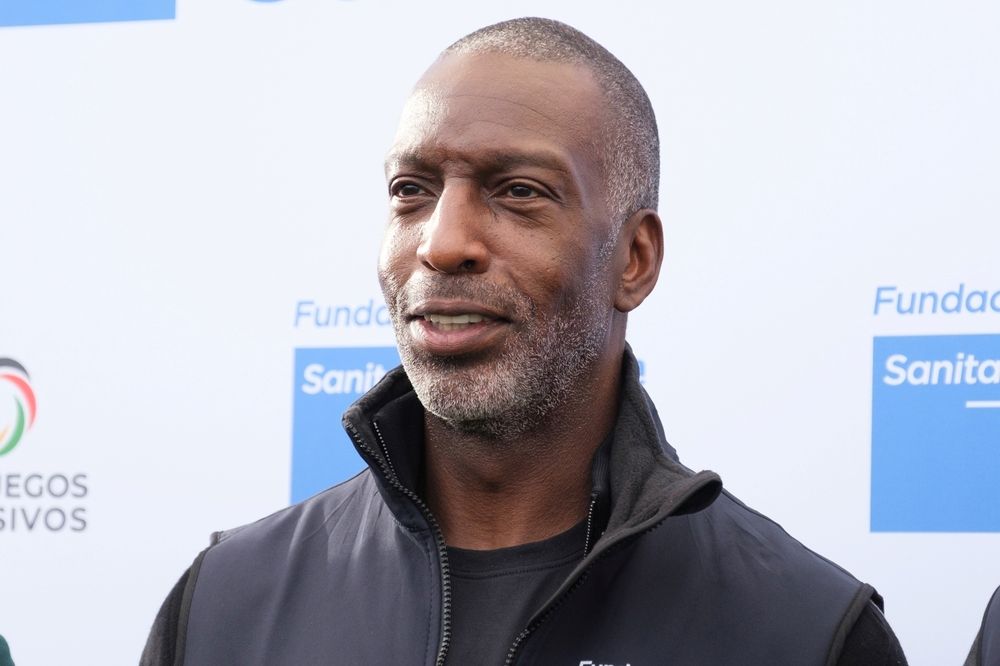
The four-time Olympic champion Michael Johnson agreed to return the amount of 500 thousand dollars, equivalent to approximately R$2.6 million, to the structure of Grand Slam Track. The decision comes amid a recovery process for the athletics league created by the former athlete himself, which is facing serious financial difficulties and accumulated debts with competitors and suppliers. The amount will be used to pay athletes and other creditors awaiting compensation for the last season of competitions organized by the entity.
The management of Grand Slam Track reiterated that there was no irregularity or misconduct on the part of Michael Johnson in the management of the league’s resources. Segundo official statement, the amount in question had been retained by the founder as a form of compensation for the high personal investments made to make the tournament stages viable. The current agreement aims to mitigate the financial damage caused by the interruption of activities and ensure that a portion of the promised prizes finally reaches the competitors.
Key points of the financial restructuring agreement include:
- Immediate return of 500 thousand dollars by Michael Johnson to the league’s creditors’ fund.
- Expected payment of 70% of the amounts owed to athletes who participated in the last season.
- Payment of around 15% of outstanding debts with partner companies and service providers.
- Need for judicial approval and approval from the majority of creditors by next month.
The crisis at Grand Slam Track took on dramatic contours after the end of the 2025 competition cycle, when promises of high payments were not fulfilled. The project, which was born with the ambition of revolutionizing world athletics, found itself suffocated by financial liabilities that exceeded initial revenue projections. Agora, the return of the amounts by Johnson is seen as an essential step to avoid prolonged litigation and try to preserve the image of the global sports icon.
Agreement for outstanding premium payments
The proposal presented by the league’s defense seeks to end a series of legal charges initiated by athletes who did not receive their awards after the 2025 races. With the return of the amount for Michael Johnson, the expectation is that the athletes will be able to recover at least 70% of what was originally agreed in the contract. Essa measure is considered a priority by the management of Grand Slam Track to keep the doors open for possible investors in the near future.
The entity’s financial situation became unsustainable late last year, resulting in a filing for bankruptcy protection that revealed the magnitude of the problem. Muitos athletes based their training and travel calendars on the expectation of prizes that varied between 10 thousand and 100 thousand dollars per race competed. Frustration with the lack of deposits generated an international pressure movement that culminated in direct negotiation with the founder of the competition for the release of the retained resources.
Financial crisis and declaration of bankruptcy of the league
Grand Slam Track officially declared its state of bankruptcy in December 2025, after an accounting balance showed a gap between revenue and expenses. Relatórios internals indicated that the league accumulated total liabilities estimated at around 40 million dollars, while the revenue generated during the period was only 1.8 million. Esse imbalance prevented the continuity of the sports calendar and called into question the viability of the business model proposed by Michael Johnson.
The number of creditors affected by the league’s insolvency reaches 200, including everything from world athletics stars to small logistics and timing companies. The recovery plan presented to the court details that the lack of master sponsors and robust broadcasting contracts was the main cause of the financial collapse. Sem the support of major brands, the planned steps consumed the organization’s working capital without generating the return necessary to honor contractual commitments.
Michael Johnson’s trajectory in world athletics
Michael Johnson is widely recognized as one of the greatest sprinters in history, boasting four Olympic gold medals won between 1992 and 2000. However, the administrative problems at Grand Slam Track brought unexpected strain to the former athlete’s biography, who is now trying to resolve financial issues.
Even in the face of the adverse scenario and the accusations that circulated about the use of league funds, Johnson maintains that his intention has always been to promote the growth of the sport. Ele argues that Grand Slam Track still has return potential, if it manages to restructure its capital base and attract new commercial partners after paying off current debts. The commitment to return the R$2.6 million is interpreted by analysts as a gesture of goodwill to clear his name and save the project.
Impact on Brazilian and foreign competitors
The Brazilian Alison of the Santos, known as Piu’s situation reflects that of many other elite competitors who saw the project as an opportunity for financial independence outside the traditional Diamond League circuit.
The uncertainty about payments affected the planning of several athletes for the 2028 Olympic cycle, as they were counting on the amounts from Grand Slam Track to pay for training and technical teams. The new agreement offers a boost, although receiving only 70% of the total amount represents a considerable loss in relation to what was promised at the launch of the league. The sports community is now awaiting the court’s next steps to confirm when deposits will begin to be made to creditors’ accounts.
Technical details about resource distribution
The process of distributing the $500,000 returned by Johnson will follow strict criteria established by the legal administrator responsible for the league’s case. Prioridade total will be given to labor credits and athletes’ awards, which form the basis of the sports organization’s core activity. Somente after the partial satisfaction of these debts, unsecured creditors, such as infrastructure and marketing suppliers, will begin to receive the 15% percentage provided for in the plan.
The league’s management works with a schedule that foresees the completion of the audits within the next thirty days to prevent new accounting errors from delaying the process. Transparency in the allocation of these resources is essential so that Grand Slam Track can eventually request the closure of bankruptcy and resume its operations in a reduced format. Justice demands that every penny returned be traced and proven to be delivered to the recipients listed in the original recovery process.
Continuity perspective of Grand Slam Track
Despite the evident financial collapse, Michael Johnson has not completely ruled out the possibility of reactivating the league in the near future under new operational guidelines. Ele argues that public interest in high-performance competitions remains high and that the error lay in the scale of initial spending. Para For a return to be viable, the league would need to undergo a full audit and secure real financial guarantees before announcing any new stage of competition.
Sports marketing experts believe that Grand Slam Track’s brand has been severely tarnished by late payments and the early bankruptcy announcement. Recuperar the confidence of top athletes, like Alison of Santos, will require more than just the partial repayment of old debts. Será necessary to present a transparent corporate governance model, with a clear separation between the personal finances of the founders and the operating cash of the sports entity, something that visibly failed in the previous management.
Summary of the league’s financial obligations
The total amount of Grand Slam Track’s debts reached levels that surprised the sports market, reaching 40 million dollars in January 2026. Esse value includes terminated sponsorship contracts, stadium rentals, television transmission services and the salaries of the entire administrative structure set up by The meager revenue of less than 2 million dollars showed that the business plan was excessively optimistic and dependent on contributions that never materialized.
The return of R$ 2.6 million by Michael Johnson covers only a tiny fraction of the total shortfall, but has an important symbolic and practical value for starting payments. Sem this immediate contribution, the league would not even have the liquidity to keep the judicial recovery process ongoing, which would lead to the total liquidation of the assets. The four-time Olympic champion’s gesture is the last attempt to keep the league’s legal structure alive while a definitive solution is sought for the remaining 39 million dollars outstanding.
