

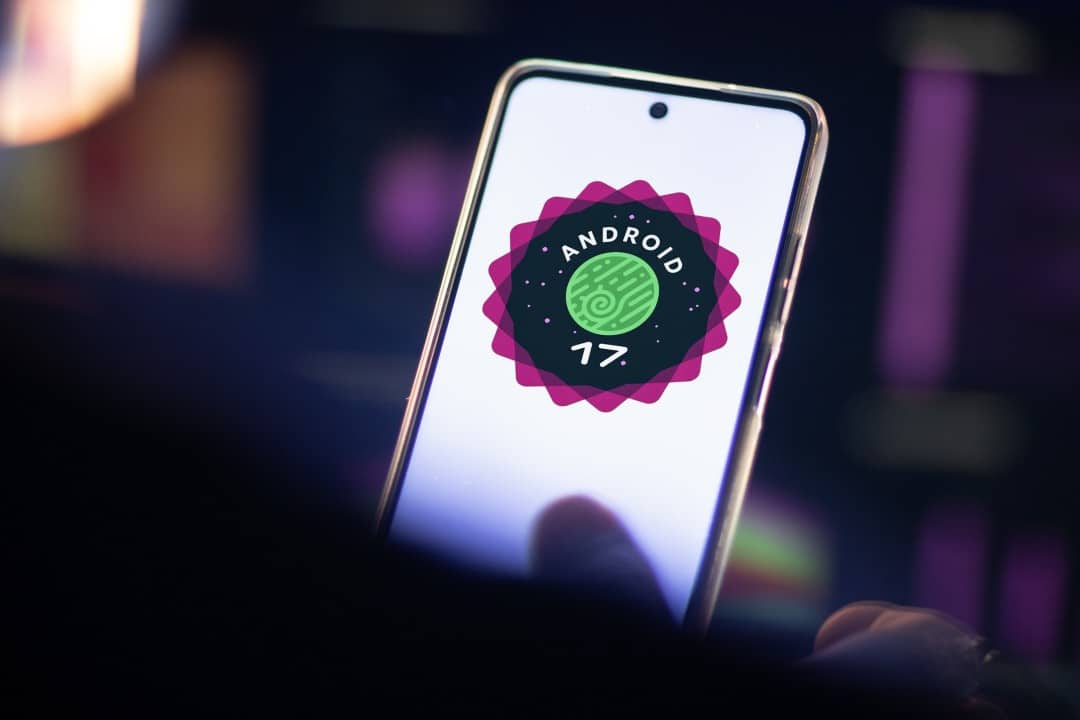
An unofficial list details smartphone maker Nothing’s next steps regarding software support for its latest devices. The preliminary document points out which devices in the company’s portfolio have the technical requirements to receive the future version of the Google operating system. The technological transition will occur through the brand’s personalized interface, maintaining the visual identity characteristic of products sold globally.
The list of compatible devices strictly follows the update policy established by the company since its entry into the mobile device market. The main focus is on models launched from last year onwards, ensuring that consumers with newer hardware have access to software innovations. Essa predictability allows owners to organize the useful life of their equipment with greater security and financial planning.
The leak of this information comes at a time of great anticipation in the mobile technology sector surrounding the next software development guidelines. The release of large update packages requires months of adaptation by manufacturers to ensure system stability. The company’s strategy demonstrates an alignment with current demands for longevity and digital security in the daily use of phones.
List of smartphones confirmed for the new interface
The list of eligible equipment covers a variety of categories within the manufacturer’s catalogue, ranging from entry-level options to high-performance models. The selection includes nine devices that are still within the active official support cycle promised at the time of their respective commercial launches.
The distribution planning for the new software directly reaches users who have invested in the brand’s most recent generations. The internal architecture of these cell phones has the necessary processing capacity to deal with the new graphical and operational demands of the system without compromising the fluidity of navigation.
The devices targeted to receive technological migration include the following options available on the market:
* Nothing Phone (4a)
* Nothing Phone (4a)
*Nothing Phone (3)
* Nothing Phone (3a)
* Nothing Phone (3a)
* Nothing Phone (3a)
* Nothing Phone (2a)
* Nothing Phone (2a)
* Nothing CMF Phone 2 Pro
The presence of CMF line devices demonstrates the company’s intention to maintain a unified software ecosystem, even in its divisions focused on cost-benefit. Standardizing the operating system across different price points makes the job of developers easier and improves the overall user experience for the entire customer base.
Closure of the main cycle for previous generations
In contrast to the list of supported devices, three older models from the manufacturer have reached the limit of their operating system updates. The Nothing Phone (1), the Nothing Phone (2) and the CMF Phone 1 will not receive the data package corresponding to the new version of the Android, as they have already completed the main support schedule established during the period of their respective arrivals in stores. Esta The practice of limiting major software changes after a certain number of years is a standard widely adopted by the global smartphone industry to optimize development resources and ensure that devices do not suffer from slowdowns due to outdated hardware.
Despite the new interface’s exclusion from the list, owners of these three specific models will not be completely destitute in the short operational term. The company’s maintenance policy provides for continued delivery of security and stability fix packages for an additional period. Esses Minor patches are critical to protecting user data against newly discovered vulnerabilities and maintaining the basic integrity of the phone’s functionality, even without the addition of new visual features or new navigation tools.
Software development and distribution schedule
The development of the Google base platform is at an advanced stage of beta testing, with the stable version scheduled to debut on Pixel line devices in June. Este initial milestone serves as a starting point for other manufacturers on the market to begin the process of adapting the open source code to their own operational needs.
For users of Nothing, the update package is expected to begin distributing during the fourth quarter of the current year. Este the interval of a few months between the official launch of the primary system and its arrival on third-party devices is the time strictly necessary to implement deep customizations in the code.
The company’s software engineering team uses this period to integrate the native features of Android with the brand’s exclusive functions. The process requires rigorous compatibility testing to prevent battery drain failures, third-party app incompatibility, and unexpected crashes during consumers’ daily use.
Continuity of nomenclature and visual identity
The next major system update will be officially named Nothing OS 5.0, maintaining the sequential logic adopted by the company in its previous development cycles. The company’s history shows that the Android 15 served as the structural basis for the Nothing OS 3.0, while the Android 16 was the programming foundation for the Nothing OS 4.0.
This standardization in the choice of names makes it easier for the public to understand the level of update their devices are at at any given time. The clear communication strategy avoids technical confusion in support forums and reinforces the identity of the proprietary software among the most demanding consumers.
Adaptation of unique features and luminous interface
One of the main technical challenges in the transition of operating systems for this specific manufacturer involves the integration of the Glyph interface. The LED system on the back of the devices requires dedicated programming to synchronize notifications, ring tones and physical interactions with the new Android code guidelines.
In addition to backlighting, the company focuses on maintaining its minimalist aesthetic, characterized by monochromatic widgets and unique dotted typography. The new version of the software must incorporate privacy improvements and screen fluidity without distorting the visual language that differentiates the brand in the competitive global mobile phone market.
Relevance of extended support in the technology market
The extension of software support has become one of the most determining factors for consumers when choosing a new smartphone, changing the dynamics of competition between large manufacturers in the technology sector. By ensuring that recent models receive structural updates over several years, the company adds direct value to the product and actively combats planned obsolescence, a historic problem in the consumer electronics industry. Aparelhos that remain updated for longer maintain a considerably higher resale value on the used market and offer a consistent user experience, reducing the need for frequent equipment changes by the user. Essa long-term approach requires ongoing financial investment in quality development, programming, and testing teams, but results in a more brand-loyal customer base. Prolonged maintenance also contributes to a reduction in the environmental impact generated by the early disposal of complex electronic components and lithium batteries. Clarity in the prior disclosure of which devices are suitable for system migration reinforces the corporate transparency required by consumer protection bodies. Advance planning allows users to manage their technological assets with concrete data, avoiding unpleasant surprises related to the incompatibility of banking or communication applications that require modern operating systems to function securely.
Operational guidance for device owners
Users who own the models listed should wait for official announcements from the manufacturer in the coming months to obtain the exact release dates via wireless network. Recomenda – keep the device always up to date with current security patches and perform periodic backups of important files to facilitate a safe transition when the main installation package is made available on the company’s servers.