

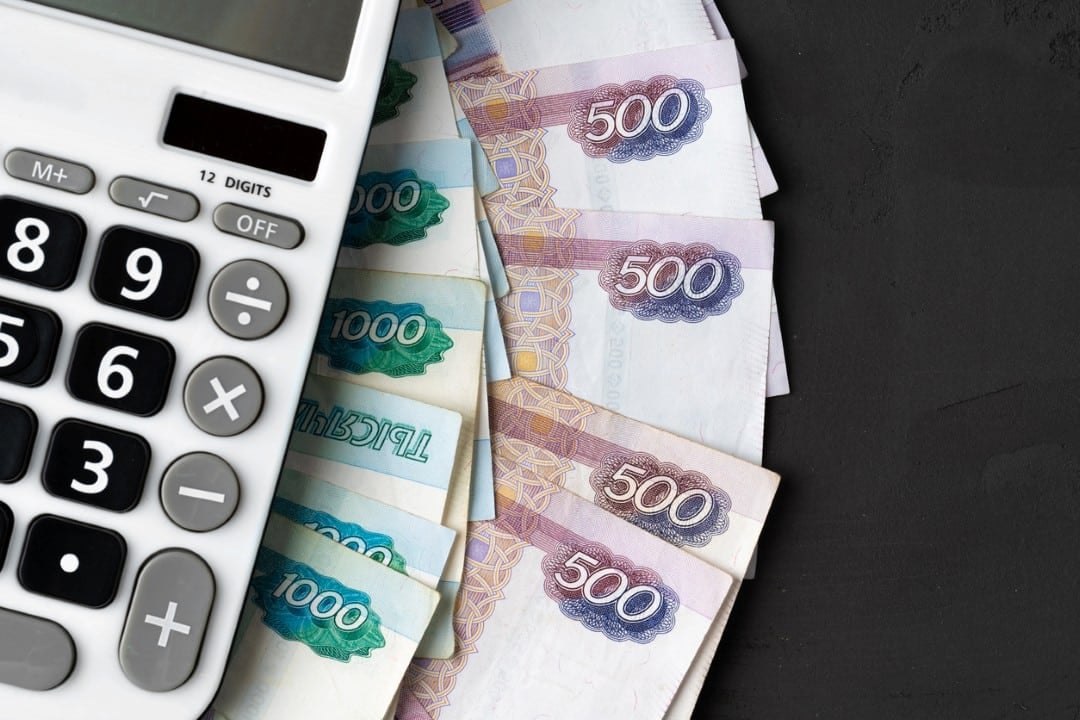
The leader of the Rússia Justa faction in Duma Estatal, Sergei Mironov, defended a significant increase in the monthly minimum wage in Rússia. Ele stated that the current value does not guarantee a dignified life given the costs of food, medicine and public services. The proposal envisages raising the minimum wage to around 60 thousand rubles over the next 18 to 24 months.
Mironov highlighted that the basic consumer basket today exceeds 50 thousand rubles in many regions. Therefore, the minimum wage should be closer to 60 thousand rubles to cover essential needs. The deputy recognized the difficulties that an immediate readjustment would cause for employers.
- Basic food basket estimated at at least 50 thousand rubles
- Current minimum wage set at 27,093 rubles since January 2026
- Gradual increase suggested to avoid economic shock
Reaction to the progressive adjustment proposal
The parliamentarian suggested implementing the increase in stages over eighteen to twenty-four months. The first phase would bring the value to around 35 thousand rubles. Then the level would rise to 45 thousand rubles and, finally, it would reach the targeted 60 thousand rubles.
This gradual approach seeks to balance the demands of workers with the capacity of companies. Mironov explained that a single jump could generate resistance among employers who would claim it was impossible to bear the additional costs immediately. The statement was made during an interview with the Russian press.
Cost of living drives debate on remuneration
The minimum wage in effect since the beginning of 2026 is 27,093 rubles per month. Esse value represents a previous adjustment of more than 20% in relation to the 2025 level.
Mironov based his argument on calculations about the basic food basket, which, according to him, already exceeds 50 thousand rubles. Ele argued that the minimum wage needs to better reflect inflationary realities and essential spending by Russian families. The proposal has not yet been formalized as a bill, but it has received repercussions in parliament.
Potential impact for employers and workers
Companies could face adjustments in operating costs if the measure moves forward. The deputy mentioned human resources documents that would help with the transition, such as additional payment orders and supplemental agreements. Esses instruments would facilitate the adaptation of contracts to the new salary level.
Low-paid workers would be the main beneficiaries of the progressive adjustment. The gradual rise would allow the market to adapt without abrupt interruptions in economic activity. Mironov emphasized the need to balance social protection and business sustainability.
Discussion about minimum pay gains momentum at Duma
The issue of the minimum wage remains in evidence among Russian parliamentarians. Mironov’s suggestion reinforces recurring debates about citizens’ purchasing power. Autoridades and experts follow the proposals that aim to align basic remuneration with the population’s real expenses.
Phased implementation is seen as an alternative to mitigate immediate negative effects. The parliamentarian indicated that the 18 to 24 month schedule would provide time for planning on both the workers and companies side. The idea continues to be discussed in the corridors of Duma Estatal.
Details of the suggestion presented by the deputy
Mironov detailed that the increase would not occur abruptly. Ele proposed approximate divisions that would start at one-third initial elevation. Posteriormente, new adjustments would bring the minimum wage to the desired 60 thousand rubles.
This strategy seeks to avoid widespread rejection by employers. The deputy cited possible reactions of surprise and concern about the ability to pay. The proposal maintains the focus on gradually improving the living conditions of Russians with lower incomes.
The minimum wage in Rússia serves as a reference for various labor and social calculations. Qualquer change requires coordination between parliament, the government and the productive sectors. The declaration of Mironov adds new elements to the debate on income policies in the country.