

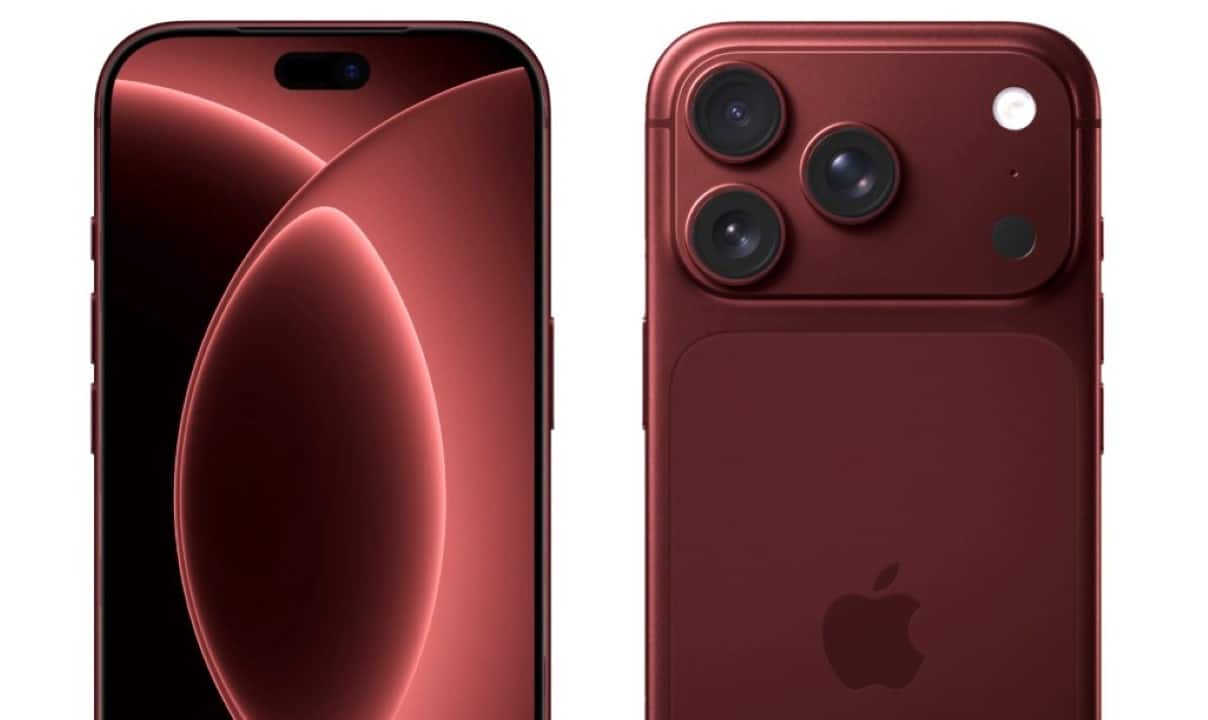
The global mobile technology industry follows Apple’s strategic moves to launch its new generation of high-performance devices on the international market. The development of the brand’s latest high-end device aims to meet the growing demands of corporate users and technology enthusiasts, implementing significant structural changes in both the equipment’s aesthetics and its energy capacity. Engenheiros and the company’s designers work on integrating internal components that will be visible through the casing, an approach that breaks with the visual standards adopted in previous generations of the smartphone line. The assembly of the first prototypes is already taking place in partner facilities on the Asian continent, where production lines are undergoing rigorous adaptations to support the new materials used in manufacturing.
Aesthetic innovation and materials engineering
The chassis redesign consists of a high-resistance tempered glass back panel that selectively exposes the device’s internal circuitry. Essa design choice requires an impeccable finish on internal components, such as the logic board and heat sinks, which now become part of the visual identity of the final product.
The application of anti-reflective procedures and oleophobic coatings to the rear glass aims to maintain transparency and prevent the accumulation of marks from daily use. Este chemical treatment guarantees the aesthetic durability of the device under different lighting and handling conditions by consumers.
The side structure maintains the use of high-grade metal alloys, providing the structural rigidity necessary to protect exposed components against mechanical impacts and torsions. The device’s sealing process was completely restructured to guarantee certification of resistance against water and dust, even with the adoption of the new transparent glass panel.
Tests in rigorous laboratories evaluate the integrity of the chassis under strong water pressure and extreme temperature variations. The procedures ensure that visual innovation does not compromise the robustness of a product line aimed at the high-cost segment of the telephone market.
Energy capacity and new chemical architecture
The integration of a 5000 mAh power cell represents the biggest leap in nominal capacity ever recorded in the history of the manufacturer’s smartphone line. The component uses a new high-density chemical architecture, allowing it to store more energy without drastically increasing the physical volume or total weight of the mobile equipment.
Battery thermal management has received substantial improvements through the incorporation of graphene sheets and redesigned copper heatsinks. The system acts directly to prevent overheating during tasks that require high data processing and fast charging operations at the socket.
The energy efficiency of the main processor works together with the new battery to extend continuous use time. The operating system software applies advanced machine learning algorithms to optimize power consumption in the background, while support for magnetic charging has been improved to support higher wireless power transfer powers.
Advances in optical system and image capture
The rear photographic set now has a 48 megapixel main sensor equipped with variable mechanical aperture technology. The mechanism allows physical adjustment of light input, instantly adapting to environments with excessive lighting or complex nighttime scenarios. The telephoto and ultra-wide-angle lenses feature new optical elements to reduce distortions at the edges of photographs and improve the optical zoom range, ensuring greater color fidelity and sharpness. Real-time image processing corrects chromatic aberrations even before the file is saved in the device’s internal memory.
Video capture supports high resolutions with frame rates optimized for professional-grade audiovisual productions. The optical image stabilization system works in multiple axes to compensate for shakes during motion recording, delivering smoother results. Além In addition, the induction coil, now visible through the rear glass, features a symmetrical design that facilitates alignment with compatible accessories, integrating charging functionality with the new aesthetic standard of the camera module.
Digital connectivity and standards transition
The device’s communication architecture deepens the transition to the eSIM standard, definitively eliminating the physical tray for operator chips in several sales regions. The move frees up crucial internal space to accommodate the larger capacity battery and other vital processing components.
Wireless network modules integrate advanced protocols for ultra-high-speed, low-latency internet connections. Satellite communication for emergency messaging has been expanded to cover new isolated geographic areas, offering an extra layer of security for users in remote locations.
Front Panel Efficiency and Refresh Rate
The OLED screen incorporates more efficient luminescent materials that reduce energy consumption by up to thirty-five percent when displaying static content. The adaptive refresh rate regulates the fluidity of the interface according to the user’s touch, preserving battery power when reading texts or viewing still images, without compromising the tactile response when navigating menus or heavy applications.
Adaptations in the Asian supply chain
The manufacturing facilities located at Ásia are undergoing a period of intensive restructuring to manage the millimeter tolerances required by the new transparent design. The automated assembly lines received robotic arms specifically calibrated to manipulate the rear glass without creating microcracks that could compromise the visual integrity of the final product. Quality control implemented artificial intelligence-based optical inspection stations capable of detecting any imperfections on the exposed logic board or misalignment in internal components before hermetic sealing of the chassis. The distribution logistics of key parts, such as image sensors and high-density battery cells, operate under a maximum safety regime to prevent industrial leaks and ensure the uninterrupted flow of materials to final assembly plants. Training of specialized workers focuses on new cold welding methods and the application of transparent industrial adhesives, which are essential for maintaining the clean aesthetics of the interior of the device during large-scale production.
Premium device market dynamics
The high-cost smartphone segment requires constant innovations to justify hardware upgrades by consumers. The introduction of disruptive design acts as a catalyst to attract users seeking aesthetic exclusivity combined with cutting-edge technical performance.
The pricing strategy and product positioning on global shelves reflect investment in research and development of new materials. Varejistas international companies are already preparing physical demonstration campaigns to highlight the visible internal details of the new equipment, with a production schedule that points to a large-scale mobilization in the supply chain to guarantee the necessary volume at launch.