
The video game industry faces growing pressure from consumers calling for the reintroduction of intellectual properties that defined the era of sixth-generation consoles. The movement is gaining strength on forums and social networks, where players highlight the absence of 3D platform titles and action games with mascots that dominated the market in the early 2000s. The main complaint falls on the large producers, who changed the focus of development to cinematic narratives and left entire catalogs without updates or ports to modern systems.
The current scenario in the digital entertainment market shows a clear divide between what companies offer and what a significant portion of the public wants to consume. The companies focus on very high-budget productions, known as AAA, which require long development cycles and gigantic teams. Enquanto this, consumers point out that the diversity of genres has decreased drastically, creating a vacuum in the segment of lighter, colorful games focused purely on jumping and exploration mechanics.
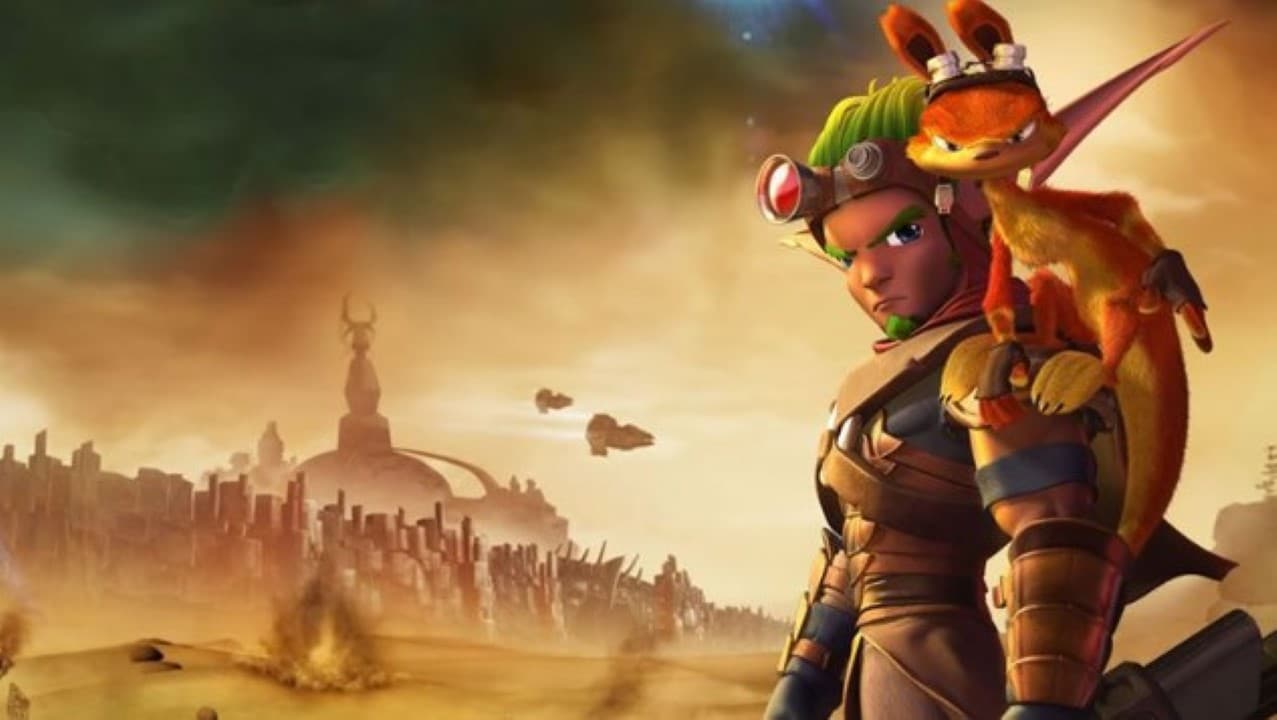
To overcome this situation, the community established specific demands aimed at copyright holders:
– Disponibilização of old catalogs in native digital stores for computers.
– Atualização of controls and interfaces for current ergonomic standards.
– Terceirização of remakes for smaller studios specializing in restoration.
The lack of official responses from corporations has generated debates about the responsibility of companies in maintaining their own historical legacy. Especialistas in technology point out that the abandonment of these brands not only frustrates consumers, but also represents a significant cultural loss for interactive media, which is aging rapidly due to the obsolescence of the original hardware.
The impact of the change in focus of large producers
Renowned studios that built their reputations on charismatic mascots have fundamentally altered their corporate identities over the past two decades. The transition to more powerful hardware allowed for the creation of photorealistic graphics and dense stories, which attracted an older audience and expanded the industry’s profitability. Essa paradigm shift caused cartoon characters to be shelved in favor of human protagonists in post-apocalyptic or historical settings.
The quest for critical prestige and industry awards accelerated the move away from its arcade gameplay-focused roots. Diretores of art and screenwriters began to adopt darker and more mature tones, aligning video games with Hollywood productions. As a result, the original teams that programmed the platform games were restructured or replaced by professionals specializing in motion capture and virtual cinematography.
This technical evolution, although commercially successful, has created a gap in the market that few large companies are willing to fill. The opportunity cost of allocating hundreds of developers to revive a platform game is considered too high by management boards, who prefer to invest in sequels to realistic franchises that are already consolidated and have a guaranteed financial return.
The direct consequence of this strategy is the aging of the original fan base, which now has purchasing power, but cannot find official products that recall the experiences of their youth. The nostalgic market remains untapped by original creators, leaving room only for independent developers trying to emulate the visual and mechanical style of that era.
Isolated success in the midst of generational transition
Despite the general trend of abandonment, there are notable exceptions that prove the commercial viability of keeping classic franchises active. Algumas developers chose to adapt their pets to new technologies, integrating cutting-edge graphics with traditional platform and shooting gameplay. Essa approach required a delicate balance between preserving the brand’s visual identity and implementing modern mechanics that justified the price of a current release. The result demonstrated that the public still consumes this format when the technical execution reaches the quality standards required by the contemporary market.
Maintaining these intellectual properties active has allowed certain franchises to cross multiple generations of consoles without losing relevance. The strategy involved launching specific remakes interspersed with new titles, creating a bridge between veteran players and new generations of consumers. The financial success of these specific ventures serves as the community’s main argument in demanding that other companies adopt similar stances with their dormant catalogues, proving that the genre is not saturated, but rather in need of adequate investment.
Technical challenges in modernizing old games
Simply transferring old source code to modern platforms runs into complex software engineering hurdles. Games developed at the beginning of the century used specific programming tricks to overcome the memory and processing limitations of the time. Quando these codes run on contemporary architectures, visual glitches, collision issues, and breaks in game physics occur that require almost complete rewriting of the basic systems.
Another critical factor involves adapting the control schemes and behavior of the virtual camera. Usability standards have evolved drastically, and what was considered acceptable in terms of character movement twenty years ago is now seen as imprecise and frustrating. Software engineers need to redesign the dead zone of the analog sticks, the acceleration of the camera and the response of the buttons without distorting the original feel of the work.
The user interface also demands special attention during any modernization process. Menus designed for tube televisions in low resolution become unreadable or disproportionate on high definition monitors. Recreating textures, icons, and typography requires meticulous artwork to ensure visual clarity meets current industry accessibility standards.
The importance of digital preservation in the current scenario
The physical degradation of optical media and the failure of electronic components in old consoles put the existence of thousands of interactive works at risk. Instituições Archival and technology historians warn that the inaction of copyright-holding companies is accelerating the loss of an important cultural heritage. Digital preservation has become a central agenda, requiring source code and executable files to be migrated to proprietary hardware-independent formats.
The transition to the personal computer market is seen as the most viable solution to ensure the longevity of these products. By porting classic games to open ecosystems, companies eliminate the barrier of console generations, allowing software to remain accessible regardless of changes in physical device manufacturing. Essa measure meets both consumer demand and the historical need for conservation.
Community movement and independent developers
Given the absence of official initiatives, groups of amateur programmers and enthusiasts took on the responsibility of keeping classic franchises functional on modern hardware. Através of complex reverse engineering processes, these teams decompile the original game code to create unofficial native ports for computers. Esse Meticulous work, which often takes years to complete, allows the implementation of significant technical improvements, such as support for ultrawide resolutions, unlocked frame rates, and integration with modifications created by other users. The activities of these groups operate in a gray area of copyright legislation, generating occasional tensions with corporations. However, the high level of technical sophistication achieved by these independent projects often exposes the lack of commercial will of the original companies, increasing public pressure for official, safe and legal solutions to be offered to the consumer market that is willing to pay for these restorations.
The Future of Dormant Intellectual Properties
The management of inactive brands has become a topic of reassessment within the corporate boards of large distributors. The outsourcing strategy appears as the most pragmatic alternative for dealing with the back catalogue. By licensing intellectual properties to smaller studios that specialize in remasters, original companies can focus on their high-budget projects while generating passive income from their classic brands.
This delegation of responsibilities requires strict supervision to ensure that the quality of the final product does not harm the franchise’s image. Estúdios support teams that demonstrate technical competence in reconstructing textures and optimizing old graphics engines are gaining prominence in the industry, becoming fundamental pieces for the commercial viability of the return of these iconic characters to the active market.
Consumer market expectations
The industry’s response to this pent-up demand will define the direction of the retro gaming segment in the coming years. Consumers have established clear standards of technical demand and artistic fidelity for any re-release. Cabe now it is up to the rights holders to assess the financial viability of serving this niche, which demonstrates strong engagement and willingness to consume products that respect the historical legacy of the original platforms.
