

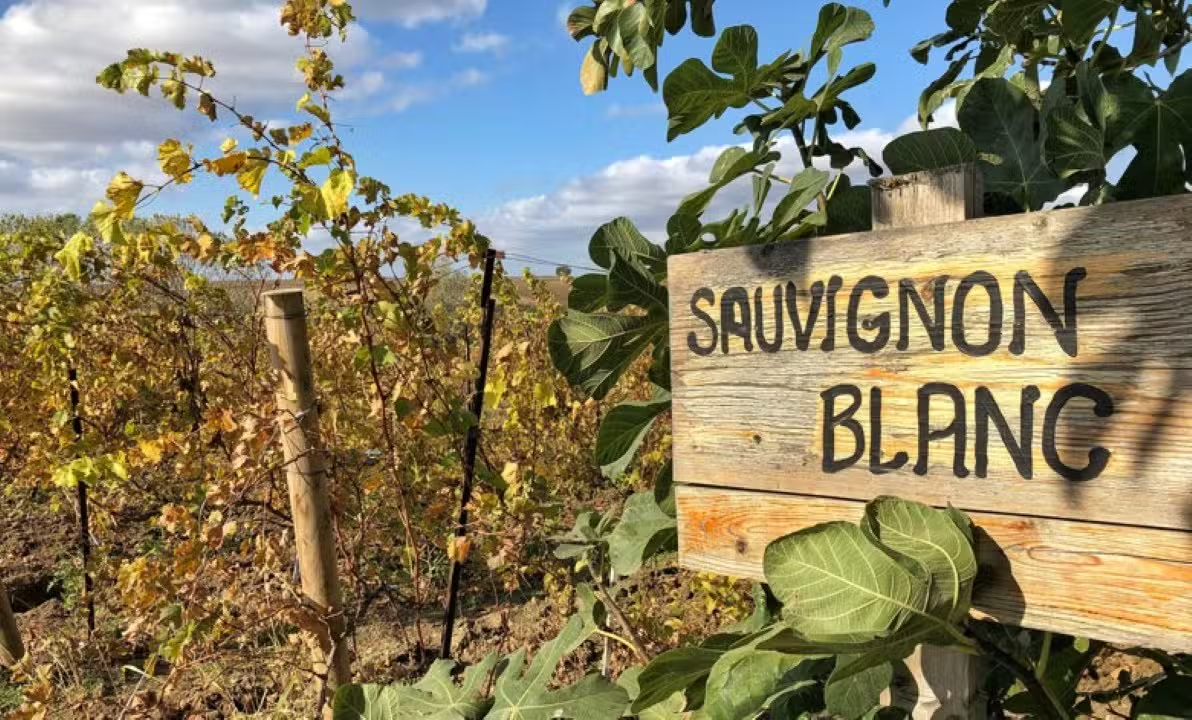
Residents of the villages of Hotham and North Cave, in East Yorkshire, express growing irritation with the illegal disposal of dozens of empty bottles of The phenomenon has been occurring for several months and involves bags full of glass containers, many of them branded Villa Maria, sold for around £10 each in local retailers. A farmer in the area, who preferred to remain anonymous, reported having collected up to 48 bottles in a single day, which demonstrates the frequency of the problem.
The bottles are mainly found on the tree-lined Pitbalk Hill, the path between the two locations. The villages have old buildings made of light stone and landscapes marked by yellow daffodils in spring, which contrasts with the irregular disposal observed. Moradores highlight that the act poses a risk to runners, horse riders and rural workers who work in areas with tall grass, including during hay harvesting.
- Risk of cuts and accidents on trails used by pedestrians and animals
- Potential harm to hay farming for livestock feed
- Need for frequent manual collection by residents themselves
Conselho of East Riding of
Irregular disposal mobilizes discussions between neighbors
Residents exchange information about the quantities collected in a local WhatsApp group. The conversations reveal the volume accumulated over the months and the collective frustration with the repetition of the act. Simon Robinson, 52, described the findings as bizarre and questioned the reason behind the dumping of wine that pairs with seafood and goat cheese.
The predominant brand is Villa Maria Sauvignon Blanc, available in nearby supermarkets. The containers appear packed in plastic bags left on the side of the road, which makes it easier to identify the material, but not the person responsible. Robinson noted that, although there is a general epidemic of illegal waste disposal in the region, the specific case draws attention due to the uniformity of the product involved.
Risks to safety and the rural environment
Residents warn of dangers associated with broken or whole bottles scattered in public areas. Corredores and riders using the routes may suffer accidents, especially at times of reduced visibility. Agricultores who cut vegetation for hay production also face difficulties when dealing with stray glass.
Irregular disposal occurs on land that mixes public and private areas, which complicates immediate action by authorities. Especialistas in waste management indicate that glass bottles require careful collection to avoid soil contamination or injuries to wild animals present in the wooded region.
Authorities encourage detailed reporting
The Conselho of East Riding of Yorkshire reinforces the importance of recording each occurrence of illegal disposal. The guidance allows the agency to assess the need for specific actions, such as installing signage or increasing patrols in the affected area. Até At the moment, there is no evidence of an ongoing investigation into who is responsible.
Residents have official glass recycling points available, including blue containers at homes and dedicated containers at Hotham Village Hall and near the church at North Cave. Apesar of this available infrastructure, dumping continues to occur in inappropriate locations, generating additional costs for cleaning and maintaining the roads.
Surveillance suggestions emerge among residents
Some residents propose installing trail cameras at strategic points to identify the person responsible for the disposal. The idea gained strength in informal conversations and aims to catch the person responsible in action. Outra The alternative discussed is collective surveillance on the most affected routes.
A resident sent a message highlighting the ironic tone of the situation and stated that, if the culprit was found, residents could toast the capture, although not with the same white wine. The suggestions seek practical solutions without relying exclusively on initial official action.
Impact on the routine of rural communities
The repetition of the problem changes the daily routine of those who live and work between Hotham and North Cave. Agricultores dedicate time to manually collecting bottles before carrying out normal activities in the field. Famílias avoid certain trails with children or pets due to the risk of exposed glass.
The picturesque landscape of the villages, known for its historic buildings and seasonal flora, suffers visual and environmental interference with the constant presence of trash. The contrast between the idyllic rural setting and repetitive disposal generates disagreement among those who value local preservation.
Recycling options available in the region
Residents rely on regular selective collection systems that include specific containers for glass. Community points facilitate correct disposal and avoid the need for transport to distant centers. Mesmo therefore, the irregular volume found on the margins indicates that part of the material does not follow the official recycling flow.
Local authorities estimate significant annual costs for removing waste illegally dumped on roads and paths. The case of the Sauvignon Blanc bottles adds to other fly-tipping incidents recorded in the county, although it remains distinct due to the specific nature of the waste.
Community evaluates collective next steps
Residents continue to document new sightings of bags of bottles and share records in the messaging group. The exchange of information helps to map the most affected locations and quantify the problem over time. The discussion includes possibilities for formal contact with the board to request more active intervention.
The absence of recent records at the municipal body contrasts with residents’ perception of the frequency of eviction. Essa difference motivates the collection of additional evidence before new official accusations. The community remains focused on solutions that preserve the tranquility and security of the villages.
Prevention and shared responsibility
The existence of nearby recycling points reinforces the possibility of correctly disposing of packaging. Especialistas in environmental management highlight that glass can be fully reused when directed to appropriate channels, reducing the impact on the soil and rural landscape. Moradores emphasize the importance of using these resources to prevent new episodes.
The council keeps open the possibility of applying targeted measures if the number of complaints increases. The current guidance prioritizes the systematic recording of each case to inform future decisions about inspection in the area between Hotham and North Cave.