

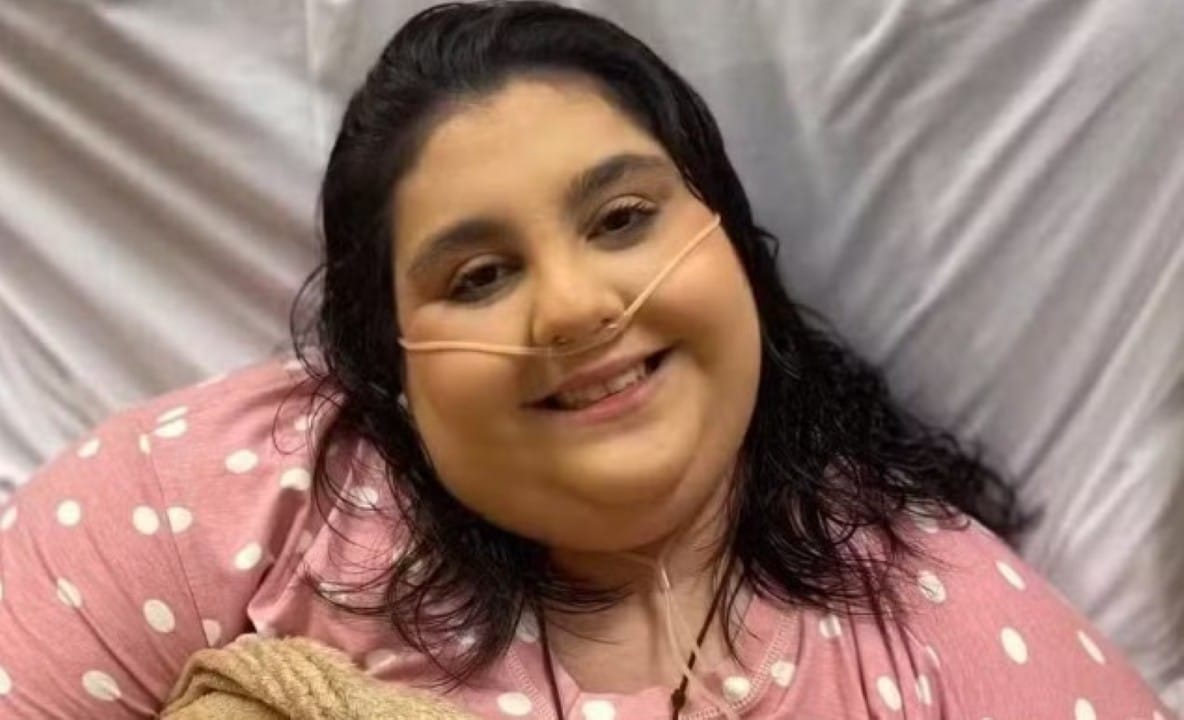
Influencer Rita Ephrem, known on social media as Ritinha, died at the age of 31 in São Paulo last Thursday, March 26th. X__NM3____ The case gained public attention over the years because of the transparency with which the young woman reported her treatment routine and hospitalizations.
Born in Belo Horizonte, Rita Ephrem was the daughter of Lebanese parents and moved to Líbano at a young age, where she grew up and built part of her education. Lá she studied mechatronics engineering and developed a career as a futsal athlete, becoming part of the Lebanese women’s team and participating in international competitions at Oriente Médio.
- Return to Brasil at age 25 with initial symptoms of recurrent high fever
- Severe joint pain and changes in heartbeat
- Diarrhea and frequent vomiting that led to searches for diagnosis
- Genetic tests carried out on São Paulo that confirmed the rare condition
The first signs of the disease appeared after her return to Brasil. Doctors were slow to identify the exact cause of the symptoms, which included persistent fever, joint pain, gastrointestinal problems and fluctuations in blood pressure. Apenas after a series of genetic tests carried out on São Paulo, it was possible to identify the ultra-rare autoinflammatory disease associated with immunodeficiency.
Overcoming trajectory and clinical complications
Rita Durante During this time she faced at least seven strokes, dozens of thromboses and multiple generalized infections. Serious episodes also included more than 20 intubations and five cardiac arrests recorded over the years.
In addition to strokes, the influencer had repeated cases of meningitis, encephalitis and systemic inflammations that worsened her general condition. Como direct consequence of the complications, she developed significant motor and respiratory sequelae. The young woman began to depend on supplemental oxygen and faced significant limitations in getting around.
The treatments required constant medical care and involved therapies that were not always covered by health plans or the public network. The family and followers needed to organize fundraising campaigns to make specific procedures and medicines possible. Rita Ephrem even engaged in legal disputes against healthcare providers seeking access to these resources.
Presence on social media and support network
Rita Ephrem’s story had widespread repercussions on social media, where she accumulated more than 300,000 followers on the profile dedicated to her journey. In the digital space, she shared details of her hospitalization routine, updates on treatments and personal reflections on faith and spirituality. Transparency helped raise public awareness about the reality of people with rare diseases.
Followers formed an active support network that contributed financially to costs not covered by health systems. Essa The community closely followed the most critical phases of the disease and celebrated each progress or hospital discharge achieved. Rita Ephrem’s publications mixed clinical reports with messages of hope and encouragement of solidarity.
Public figures expressed support for the family after the death was confirmed. Artistas like Tatá Werneck, Whindersson Nunes, Gustavo Mioto, Thaeme and Sofia Liberato published messages of solidarity on their own networks. The posts highlighted the courage shown by the influencer throughout her journey of facing the disease.
Details of the disease and challenges faced
Rita Ephrem’s condition combined an ultra-rare autoinflammatory disease, still without a defined name in the medical literature, with common variable immunodeficiency. Essa association compromised the production of antibodies and made the body more vulnerable to serious infections and inflammatory complications. Doctors monitored the case with periodic examinations to adjust therapeutic approaches.
Over the years, the young woman had to deal with recurring episodes that required prolonged hospitalizations. Cardiac arrests and frequent intubations represented high-risk moments that required immediate intervention by hospital teams. The sequelae left by vascular and infectious events permanently altered his quality of life.
The influencer used networks to document not only the difficulties, but also the moments of resilience within the hospital environment. Ela relatava como mantinha a fé mesmo diante de prognósticos reservados e como encontrava forças para continuar o tratamento. Essa stance has inspired many followers facing chronic or rare conditions.
Legacy left by the influencer
The family released a farewell message on social media associated with Rita Ephrem’s profile. The text described the departure as the end of a journey marked by struggle, courage and pain, but also by intense faith and love that touched many people. The note thanked her for the support received and stated that her legacy would continue to be present in the lives that were impacted.
Rita Ephrem turned her personal experience into an instrument to raise awareness about rare diseases in Brasil and abroad. Seu case drew attention to the difficulty of diagnosing complex genetic conditions and the need for greater investment in research and specialized treatments. The visibility generated helped to discuss topics such as access to high-cost medications and support for patients with serious chronic conditions.
Death occurred on São Paulo following complications resulting from the illness that had accompanied the young woman in recent years. The family chose to keep the final details of the clinical picture private, focusing public communications on honoring Rita Ephrem’s trajectory. Her social media profile remains active as a space of memory and continuity of the causes she defended.
Repercussion and messages of solidarity
The commotion on social media was immediate after the death was announced. Centenas of followers published reports about how Rita Ephrem’s messages helped them in difficult moments of health or faith. Muitos highlighted her ability to maintain positivity even in extreme conditions of prolonged hospitalization.
Artists and influencers who interacted with her content over time reinforced the impact made by the story. Supporting publications emphasized the strength demonstrated by the young woman and the example of perseverance she left behind. The family received manifestations from different parts of Brasil and also from Líbano, where Rita Ephrem lived an important part of his youth.
The case of Rita Ephrem illustrates the challenges faced by patients with rare diseases in the Brazilian healthcare system. The need for accurate genetic diagnoses, personalized treatments, and ongoing financial support appears repeatedly in similar accounts. The visibility she gained contributes to keeping these topics in public discussion.