

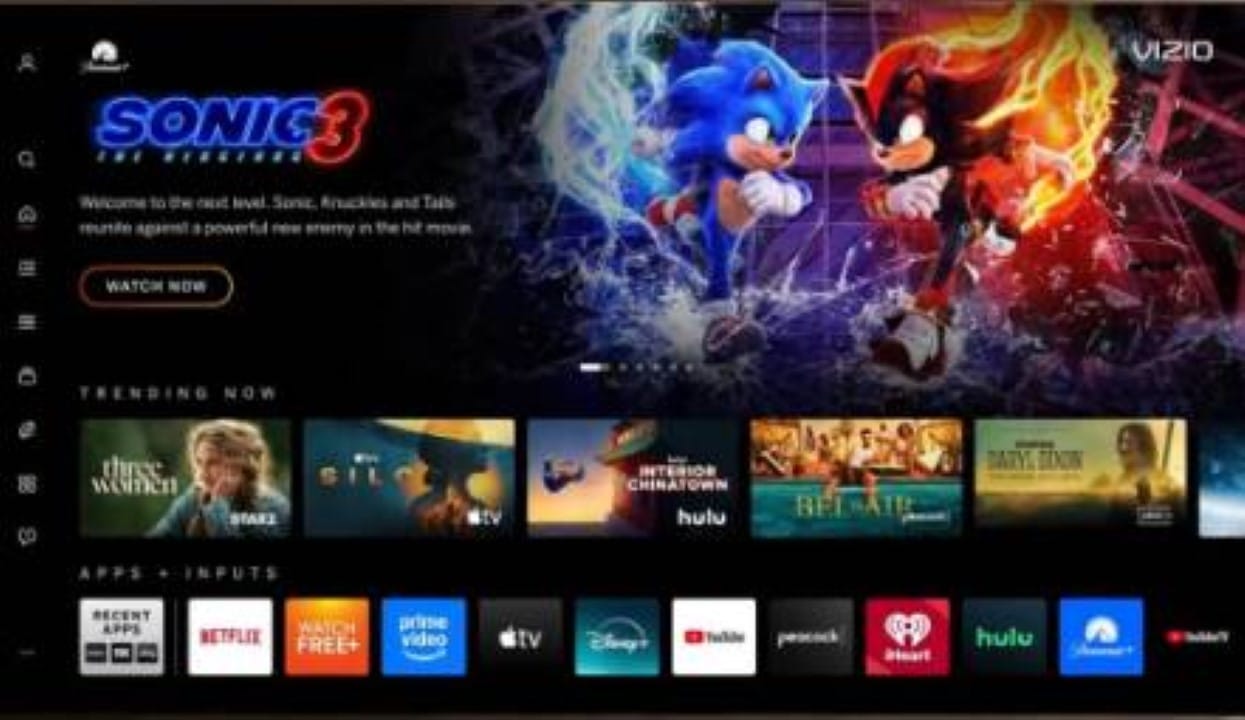
Electronics manufacturer Vizio has implemented a structural change in the initial configuration process of its newly manufactured devices. Consumers purchasing the brand’s new models are now required to link the device to an active Walmart profile to unlock the operating system and access streaming applications. The measure changes the traditional dynamics of device use, transforming the registration step, previously optional or linked to generic accounts, into a mandatory requirement for navigating the smart interface.
Advanced functionalities are blocked when the equipment is first started. Sem authentication with the retail network’s credentials, the television operates in a restricted manner, only allowing the viewing of open channels via antenna and the use of physical ports to connect external devices, such as video game consoles or cable TV decoders. The main interface, which houses video-on-demand platforms, remains inaccessible until the identity verification process is completed on the company’s servers.
A exigência estabelece um novo padrão no setor de eletrônicos de consumo e reflete as mudanças operacionais após a aquisição da marca. The integration of hardware and retail ecosystems demonstrates a strategy aimed at unifying the customer journey, from device purchase to daily media consumption in the living room. The change directly affects the way users interact with home technology, requiring an exchange of personal data in exchange for the full functionality of the purchased device.
Commercial strategy and ecosystem integration
The change in the televisions’ operating system is a direct consequence of the purchase of Vizio by Walmart, a billion-dollar financial transaction concluded in previous years. The retailer’s central objective with the acquisition was to strengthen its digital advertising division and create a direct channel of communication with consumers within their homes. By requiring mandatory login, the company ensures that each interaction with the television, from open applications to screen time, is associated with a specific consumption profile, enriching its database for targeted campaigns and market analysis.
This convergence between physical retail and digital entertainment allows the creation of an environment where advertisements displayed on the television’s home screen can be directly linked to the user’s purchase history. The platform now functions as an extension of the store’s shelves, offering products based on viewing habits and preferences registered in the customer’s account. The manufacturer’s business model stops focusing exclusively on selling hardware and starts prioritizing continuous monetization through the delivery of targeted advertising and the facilitation of e-commerce directly through the device’s interface.
How the new software lock works
The initial configuration process for new devices has been completely redesigned to accommodate the authentication requirement. Assim Once the television is connected to power and the wireless internet network, the screen displays a QR code and instructions for pairing with the retailer’s mobile app.
Users need to scan the code with a smartphone, create a complete registration with personal data or enter the credentials of an existing profile. Apenas after digital confirmation on the company’s servers, the main operating system interface is released for continued use.
Refusal to carry out the procedure results in a blocked interface, preventing the download of streaming applications, the use of voice assistants and access to free channels offered by the manufacturer itself via the internet. The device is reduced to a basic display monitor.
This approach differs from other brands on the market, which generally allow you to skip the account creation step, offering a limited but still functional experience of basic navigation through the smart system’s menus without the need for immediate data sharing.
Status of old devices and updates
Televisions manufactured before this new guideline was implemented continue to operate under the old software rules. Owners of previous models are not required at this time to migrate their accounts or create a new registration to maintain access to applications already installed on their devices.
However, the operating system’s terms of service provide for the possibility of future changes through firmware updates distributed via the internet. The manufacturer has remote control over the software and can modify access requirements at any time, depending on its business strategies.
Technology experts point out that maintaining two parallel systems generates high operational costs. Esse technical factor can accelerate the forced transition of old users to the new unified authentication model in the next update cycles of the brand’s operating system.
The advancement of interactive commerce on home screens
Mandatory login represents a fundamental step towards the consolidation of so-called interactive commerce, a modality where viewers can purchase products displayed in advertisements or programs with just a few clicks on the remote control. By ensuring that the user is already authenticated with an account that has payment methods and delivery addresses registered, the retailer eliminates friction in the impulse purchase process. The television interface now displays interactive promotional banners, personalized offers based on browsing history and direct shortcuts for adding items to the virtual shopping cart. Essa infrastructure transforms television, traditionally a passive media consumption device, into an active and highly segmented sales terminal. The accuracy of the data collected through the operating system allows the retail network’s partner advertisers to target their campaigns with a level of accuracy comparable to that of large social media platforms and search engines, changing the flow of advertising investments in the traditional media market and consolidating retail media networks as dominant forces in digital advertising.
Data Collection and Consumer Privacy
Mandatory linking of a purchasing profile to media viewing history raises debates about consumer data privacy. Organizações of digital rights advocates warn of the massive amount of behavioral information that is centralized in a single corporate database, with no opt-out options for the basic use of the device.
The operating system monitors not only open applications, but also the time spent on each screen, clicks on advertisements and the content displayed through automatic content recognition technology. Combining this data with physical and online purchase history creates an extremely detailed user profile, used to optimize advertising delivery.
Impact on competition in the electronics market
The strategic shift puts the brand on a direct collision course with other technology giants that also operate closed hardware and services ecosystems. The fight for control of the living room intensifies competition for shares of the digital advertising market, forcing other manufacturers to review their own data access and monetization policies so as not to lose competitiveness in the connected television advertising sector, which generates billions annually.
Consumer rights and transparency
Clarity in the information provided at the time of purchase becomes a critical factor for the commercialization of these new models. Television packaging and promotional materials need to detail the mandatory login requirement so that the consumer can make an informed decision before purchasing the product in physical or virtual stores.
The lack of transparency about the limitations of the device without proper authentication can generate questions from consumer protection bodies. The transition from an independent hardware ownership model to a conditional software licensing model requires adaptations to global retail electronics trading standards.



