

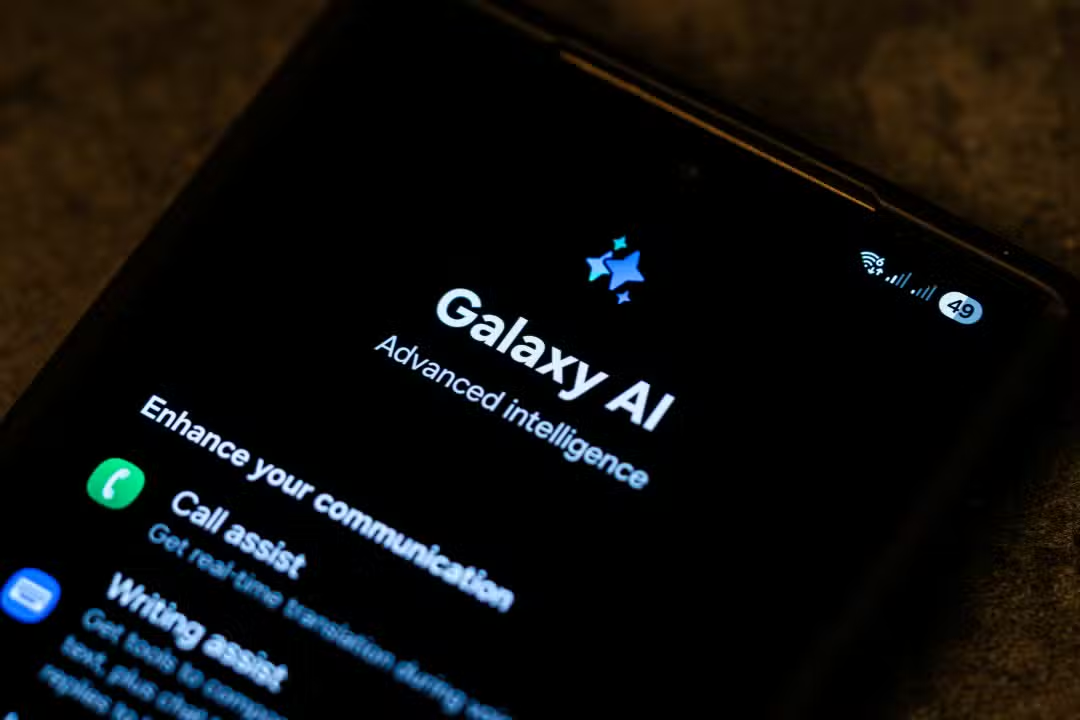
The integration of advanced data processing systems directly into mobile devices has set a new standard for the telecommunications industry. Artificial intelligence is no longer a resource restricted to cloud servers to operate locally in the hands of consumers. The Galaxy AI system, developed by Samsung, materializes this transition by incorporating automation and content generation tools into users’ daily routines. Lançado initially as the main differentiator of the Galaxy S24 series, the service package works to optimize tasks ranging from interpersonal communication to the structuring of complex corporate workflows.
Unlike virtual assistants from previous generations, which relied on specific voice commands and delivered rigid results based on simple web searches, the new software architecture focuses on proactivity. The system analyzes the context of use in real time, learning from each individual’s typing patterns, access times and browsing preferences.

This adaptability transforms the smartphone into an autonomous productivity center. The device starts to anticipate demands, suggesting spelling corrections, page translations or photographic edits before the user even starts searching for a third-party application in online stores.
Global communication facilitated by voice processing
The simultaneous translation feature acts as an interpreter integrated into the phone’s native dialer, redefining international interactions. Durante a voice call, the system converts the audio from one language to another in real time, delivering both the spoken response with a synthesized voice and the text transcription on the device screen. Essa functionality operates bidirectionally, allowing two people to converse fluidly, each in their native language. Processing occurs entirely on the device, which guarantees the privacy of conversations and eliminates the need for a constant internet connection for basic translation, a crucial factor for travelers in areas with low network coverage.
Breaking down language barriers extends to instant messaging apps and emails. The operating system’s intelligent keyboard identifies the incoming language and automatically translates user-typed responses before sending. The tool maintains grammatical cohesion and allows for quick tone adjustments, ensuring that a business message sounds strictly professional, while a casual conversation maintains informality and the use of appropriate slang. Profissionais those working in foreign trade, multinational teams and tourists find this tool a practical solution for frictionless daily interactions.
Visual searches and advanced photo manipulation
The partnership between the South Korean manufacturer and Google resulted in the implementation of an on-screen gesture search tool that changes the navigation dynamics. Sem the need to switch between applications, open the browser or type keywords, the user can simply circle, scribble or tap any element displayed on the smartphone’s display.
Immediately, the system overlays a window with the results of the detailed visual search. Identifying historical monuments in social media videos, searching for specific items of clothing seen in photos or defining technical terms in PDF documents takes place in a matter of seconds, keeping the reading flow uninterrupted.
In the field of imaging, generative artificial intelligence elevates amateur editing to a professional level with just a few touches. The system allows you to select objects in a photo to resize them, move them to another area of the composition or delete them completely. Enquanto the user makes the change, the algorithm fills the empty background in a realistic way, analyzing adjacent pixels and recreating shadows, textures and lighting in a way that is imperceptible to the naked eye.
Data structuring and audio transcription
The corporate and academic environment receives direct support through high-performance summarization and organization tools. The native note-taking app uses natural language processing algorithms to read long texts, extensive reports, and generate structured summaries in fractions of a second.
Formatting messy blocks of text or hastily written notes happens automatically. The system creates headings, topics and visual markers to facilitate quick reading, following efficient organization patterns:
– Immediate Identificação of key words and central concepts in the original text.
– Separação of main ideas in short and direct paragraphs.
– Tradução complete document formatted for dozens of natively supported languages.
For recording meetings, interviews and lectures, the native voice recorder has been enhanced with intelligent transcription capabilities. The software converts long speeches into running text, can distinguish different speakers in the same environment and, at the end of the recording, delivers a summary with the crucial points discussed, saving hours of manual decoupage for journalists, students and executives.
Software updates expand access to tools
The technology distribution strategy was not limited to the most recent and expensive launches on the market. Através of operating system updates, the manufacturer made the artificial intelligence package available for previous generations of premium smartphones, democratizing access to innovations.
Devices from previous lines, in addition to devices with a folding screen and high-performance tablets, received the same advanced processing capabilities. Essa movement increases the base of active users, retains old consumers and consolidates the brand’s software ecosystem in a highly competitive and demanding global market.
Data privacy and local processing
The implementation of artificial intelligence in personal devices raises global debates about information security and consumer data privacy. To mitigate these risks and ensure compliance with data protection laws, much of the tool’s processing occurs directly on the smartphone’s hardware, using dedicated neural processing units, without the data needing to be sent to external servers. Nas situations where cloud processing is strictly necessary for more complex operations, such as generating ultra-high-resolution images or broad visual searches, the operating system offers transparent control panels. The user has the freedom to disable online processing at any time in advanced settings, ensuring that their photos, text messages, corporate documents and voice recordings remain restricted to the device’s physical storage. Essa approach balances the delivery of cutting-edge technological innovation with the rigorous protection of sensitive data, a decisive factor for technology adoption in the corporate and government sector.
Change in the digital interaction paradigm
Automating routine processes fundamentally changes the way screen time is consumed by individuals. The drastic reduction of steps to perform simultaneous translations, visual searches and complex edits allows the user’s focus to return to creativity and quick decision-making, consolidating the contemporary smartphone as an intelligent processing terminal and an indispensable work tool for the dynamics of modern society.