

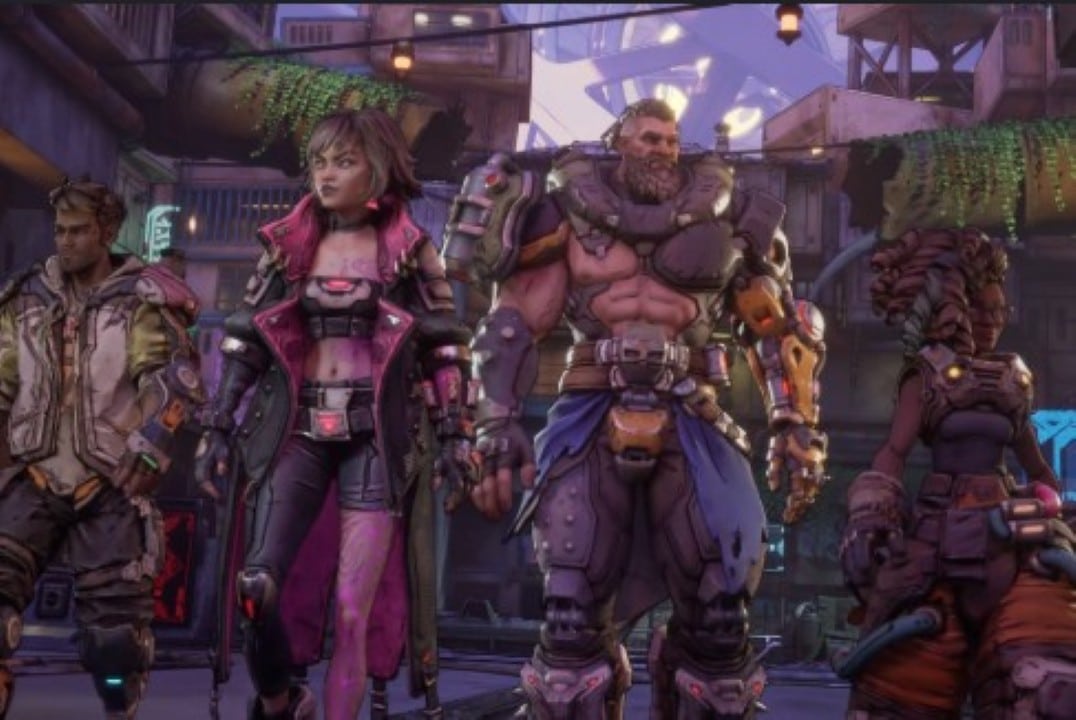
Gearbox Software is actively working on restructuring the shared progression systems for the long-awaited Borderlands 4. The initiative comes as a direct response to the requests accumulated by the player base over the last few years. The development team’s main focus is on refining cooperative dynamics, a central element of the identity of the first-person shooter franchise with RPG characteristics.
Recent details about the project indicate that the changes aim to make users’ journeys more fluid and equitable, regardless of whether they are in individual or group sessions. The search for adequate leveling attempts to resolve old disparities observed in previous titles, where the difference in level between participants harmed the joint experience during exploration missions.

Constant dialogue between the creators and the community has guided the technical and creative decisions of the new title. Fóruns discussion and streaming platforms served as a thermometer to identify the main points of friction in the mechanics of equipment acquisition and character advancement, guiding the corrections that are being implemented in the game’s base code.
Adjustments to multiplayer leveling dynamics
Shared progression determines the impact of an individual’s advancement on other team members during missions. In past editions, the scaling of enemies created imbalances when veteran and new players shared the same match, making confrontations too easy for some and impossible for others.
More on this story: First Splatoon Raiders update on Switch 2 fixes glitches and releases online mode
To fix this flaw, developers implement new difficulty adaptation algorithms. The system recalculates the resistance and damage of opponents in real time, based on the exact composition of the squad present on the map, ensuring that the challenge is proportional for each member of the group.
Reformulation of the equipment distribution system
The rewards system, known for the procedural generation of billions of weapons, is undergoing a deep structural review. The intention is to ensure that the distribution of rare items occurs fairly among all explorers in the scenario, eliminating the frustration of long sessions without adequate rewards.
One of the modifications involves improving the instanced format, in which each participant views and collects their own set of loot. Essa mechanics avoid internal disputes over specific weapons and ensure that the equipment received is statistically compatible with the class and level of the character used at the time of collection.
Learn more: Developer revamps loot and progression system in Borderlands 4 to optimize cooperative mode
The technical team is also studying the introduction of reward targeting algorithms. Certos phase bosses will be more likely to release specific items, encouraging tactical cooperation and advance planning to obtain the high-level arsenals needed for more complex missions.
Flexibility in building characters and skills
The assembly of combat profiles requires greater versatility to meet the demands of varied groups. Players have reported a need for systems that allow for rapid readjustment of skills without severe penalties in game currency or loss of accumulated progress.
Gearbox Software develops interfaces that facilitate the transition between configurations aimed at solitary play and those optimized for team support. The change eliminates the obligation to create multiple characters of the same class just to test different styles of tactical approach.
The talent trees receive new branches focused exclusively on the synergy between different classes. Habilidades that amplify allies’ damage, provide temporary shields or accelerate health recovery are highlighted in the evolution options, encouraging mutual support.
On the same topic: Elden Ring creator schedules exclusive The Duskbloods test on Switch 2
The balancing of these new abilities undergoes rigorous testing to prevent certain combinations from breaking the game’s difficulty. The established goal is to maintain the tactical challenge and the need for constant movement, regardless of the formation chosen by users for the incursion.
Transitioning between game modes and retaining progress
The frequent alternation between solitary matches and cooperative sessions represented a logistical obstacle in previous versions of the franchise. Players frequently faced mission synchronization issues, being forced to repeat previously completed tasks just to keep up with the match host. The new cloud save protocol unifies the activity log, ensuring that any progress in the main story or side missions is permanently accounted for for everyone involved, eliminating rework and unnecessary wear and tear when navigating maps.
In addition to mission synchronization, the retention of experience and virtual currencies receives more transparent and immediate treatment. The system calculates individual contributions during clashes and distributes points proportionally, even if a player needs to leave the session before the activity ends. Essa approach respects the time invested by the user and encourages participation in short-term public events, strengthening the active player base on global servers and facilitating the formation of random squads.
Structuring maximum level content
Changes to core leveling mechanics set the stage for a complete overhaul of end-game activities. Top-tier content requires a robust ecosystem, capable of retaining audience attention months after its official launch. The developer designs high-difficulty raids that demand extreme coordination and absolute mastery of synergy mechanics between classes. The introduction of rotating environment modifiers and enemies with unpredictable attack patterns aims to break up the monotony of replay missions. Success in these endeavors guarantees access to exclusive rarity equipment, creating a cycle of continuous engagement. The server architecture has been optimized to support the fluid addition of seasonal expansions, allowing new planets, adversaries and narrative arcs to be integrated without compromising the stability of the progress already achieved by veteran squads.
More on this story: The long-awaited sequel SpeedRunners 2: King of Speed gets a release date for PC and consoles
Customizable difficulty adaptation
The introduction of adjustable parameters allows squad leaders to define the degree of lethality of engagements before beginning an expedition. Essa tool caters to both groups looking for casual exploration and squads focused on maximizing efficiency in collecting rare resources in hostile environments.
Maintaining franchise identity
Despite the profound structural changes, the chaotic essence and characteristic humor of the Pandora universe remain unchanged. The technical improvements merely serve as a foundation to support the expansive narrative, extravagant world design, and frenetic gameplay that define the brand.
The development team’s commitment lies in delivering a technically polished product that respects the series’ legacy. The modernization of interaction systems reflects the maturation of the industry and the rise in demand standards in the consumer market for big-budget electronic games.