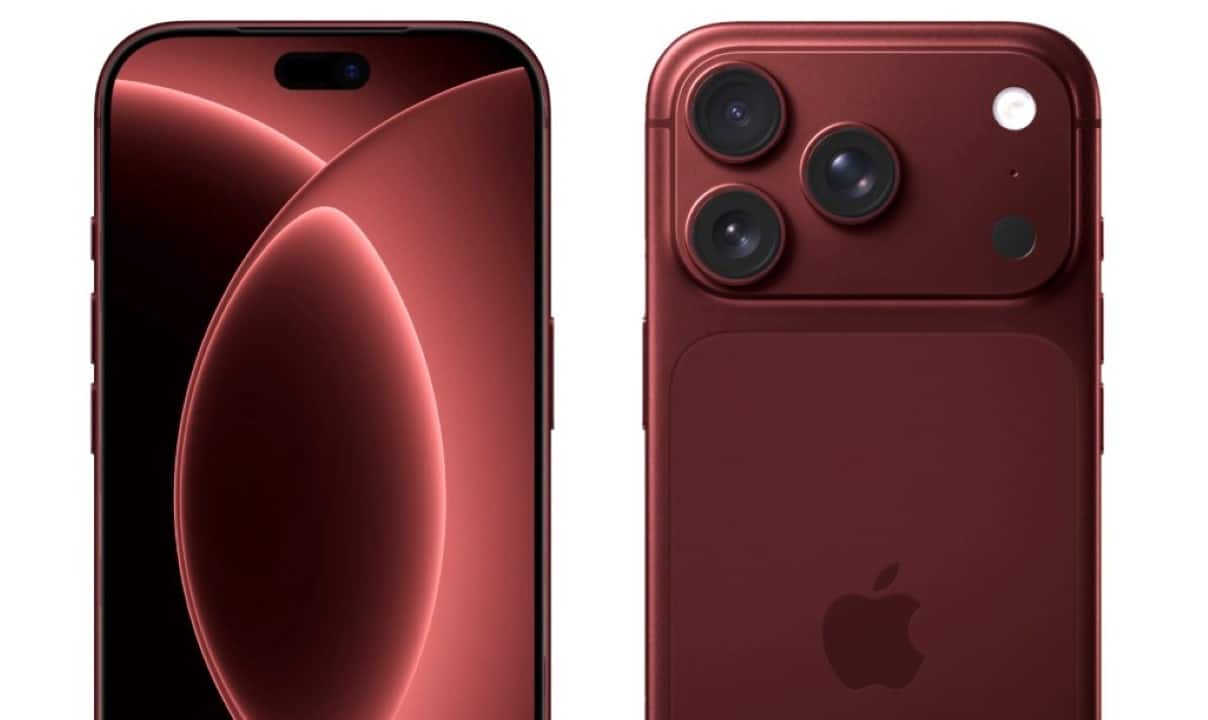
The global telecommunications industry undergoes a profound structural change with the revelation of the technical specifications of the latest high-performance mobile device from Apple. The project developed at the company’s headquarters in Cupertino establishes new hardware engineering parameters by exposing the equipment’s internal components. The manufacturer’s engineers carried out a complete restructuring of the motherboard and thermal dissipation systems to enable this unprecedented aesthetic. The visual modification directly meets a growing demand in the sector for innovations in industrial design. The aesthetic standard maintained in the last generations of the brand’s products suffers a significant rupture with this new approach. The introduction of a translucent back creates a new level of competition in the international smartphone market. The device features substantial upgrades in its energy storage capacity and processing speed. The integration of state-of-the-art materials aims to ensure the durability of the equipment during intense daily use. The official launch on shelves in several countries is scheduled to take place in September.
The development of the new chassis required the creation of exclusive metal alloys and the application of advanced chemical processes. The company established partnerships with specialized suppliers in Ásia to ensure large-scale production of parts. The main focus of the operation is to maintain the physical integrity of the device, even with the drastic change to the rear panel.
The confirmed technical specifications for the new line of devices include fundamental updates across several hardware sectors. The main highlights of the project include the following characteristics:
– Bateria high capacity with 5200 mAh.
– Processador manufactured in 2 nanometer lithography.
– Estrutura main built in aerospace titanium.
Market reactions and commercial positioning
The commercial strategy adopted by the manufacturer consolidates the device in the ultra-high standard segment of the international technology market. Price positioning in retail stores will reflect the high costs associated with research and development of the new transparent materials. The Asian supply chain has already begun calibrating its assembly lines to begin mass production of internal and external components. The logistical objective is to guarantee sufficient stocks to meet the demand generated by the simultaneous launch in dozens of countries. Analistas from the technology sector point out that the visual change can attract consumers looking for exclusivity and tangible innovation.
The decision to remove the physical tray for carrier chips represents a definitive step in the global transition to virtual chip technology. Strategically removing this component frees up valuable internal space, which has been repurposed for expanding battery and cooling modules. The technical measure also eliminates a physical point vulnerable to the entry of liquids and dust particles into the device body. The telecommunications market now needs to accelerate the adaptation of its networks to exclusively support digital activations. The change standardizes the connectivity format and simplifies the operator switching process for the end user.
Materials engineering and reinforced structure
To ensure the durability of the transparent back panel, the manufacturer chose to use a reinforced glass alloy. The material undergoes specific chemical treatments in specialized laboratories to avoid natural yellowing caused by exposure to sunlight. The applied technique guarantees superior resistance against accidental falls and scratches common in daily use.
The device’s chassis uses aerospace-grade titanium, providing lightness and high structural rigidity compared to conventional aluminum. The union between the machined metal and the glass panel required the creation of an industrial adhesive that was unprecedented in the electronics sector. The chemical component seals the equipment against water and dust, complying with strict international certification protocols.
Thermal management and energy capacity
The device’s operating autonomy registers a significant technical leap with the implementation of a 5200 mAh energy cell. The increase in volumetric capacity occurred thanks to a new internal composition architecture of the battery. The optimized format takes advantage of chassis space without increasing the overall thickness of the smartphone.
Temperature control has become a central challenge due to the exposure of internal components on the back of the device. The engineering solution involves applying high-density graphene sheets to critical areas of the motherboard. The system operates in conjunction with a redesigned vapor chamber, dissipating heat from the processor quickly.
Stress tests demonstrate that the thermal structure maintains high processing frequencies for extended periods. The device’s performance remains stable when performing heavy tasks, such as editing high-resolution videos. Efficient dissipation prevents the glass panel from overheating, ensuring tactile comfort for the user.
Display evolution and edge reduction
The dimensions of the screens received precise adjustments, delivering 6.3 inches in the standard model and 6.9 inches in the larger version. Display engineering has refined the bezels around the OLED panel to maximize usable viewing area. The modification provides a more immersive visual experience when consuming videos and games.
The front interface underwent a technical change with the repositioning of the facial recognition and brightness sensors. Components now operate under the active screen, allowing for a 35% reduction in the area occupied by the top cutout. The extra space is used to clearly display status icons and system notifications.
The development of the under-screen biometric sensor involved research to maintain the accuracy and security of past generations. Infrared light passes through the pixel array without distortion, validating the user’s identity instantly. The system works efficiently regardless of the external lighting conditions.
The adaptive refresh rate adjusts the fluidity of the screen according to the content, intelligently saving battery power. Color calibration and maximum brightness level outdoors have seen substantial improvements. The technology makes it easier to read documents and view media in direct sunlight.
Integrated processing and artificial intelligence
The smartphone’s operating core runs on a processor manufactured using a 2-nanometer process, establishing a milestone in the miniaturization of transistors in the semiconductor industry. The chip has an architecture aimed at executing artificial intelligence algorithms directly on local hardware. Native processing capability reduces dependence on cloud servers for tasks such as simultaneous translation and imaging. The device’s RAM memory has been expanded to 12 GB, ensuring that language models operate in the background without interruption. The system divides operations between ultra-high-performance cores and energy-efficient units, optimizing battery consumption. Software developers rely on new programming interfaces to exploit the device’s updated neural engine. The security of information processed locally occurs through a secure enclave that is physically isolated from the main operating system. The security component protects biometric data and passwords against external intrusion attempts, reinforcing user privacy.
Optical system with variable aperture
The rear photographic assembly features a variable aperture mechanism on the main lens, a technology common in professional cameras. The system physically adjusts the light input according to the environment, improving depth of field in portraits. The lenses have an optical coating that reduces unwanted reflections, while the processor instantly applies artificial intelligence filters.
Advanced satellite connectivity
The smartphone’s communications infrastructure now supports an expanded and more robust satellite connection. Radio frequency technology allows you to make short voice calls and send compressed multimedia files.
The satellite communications feature operates in remote regions where traditional cellular network coverage does not exist. The innovation ensures that users maintain basic contact even in situations of extreme geographic isolation.