

The creation of one of the most iconic titles in the history of video games, the original *God of War* from 2005 for PlayStation 2, was an arduous journey marked by a period of exhausting development. The Santa Monica Studio team, led by David Jaffe, dedicated years to conceiving and refining the universe of The ambition to deliver a visually striking experience with fluid gameplay for the time required considerable sacrifices, pushing the limits not only of the console’s hardware, but also of the developers’ human endurance.
The project, which would become a billion-dollar franchise, began with a clear vision of creating a brutal, visceral action game inspired by Greek mythology. However, realizing this vision on a console with limited technical resources like the PlayStation 2 generated numerous obstacles. Cada detail, from the fluidity of the combat to the grandeur of the scenarios and the complexity of the bosses, required meticulous dedication and many hours of extra work, which lasted for long periods.
Developers faced what is known in the industry as extreme “crunch”, a phase of intensive and prolonged work, often working 12 to 16 hour days, and even weekends, to meet tight deadlines. Este scenario is not uncommon in the creation of major video game titles, but the case of *God of War* is often cited as an emblematic example of the pressure placed on studios to deliver high-quality products.
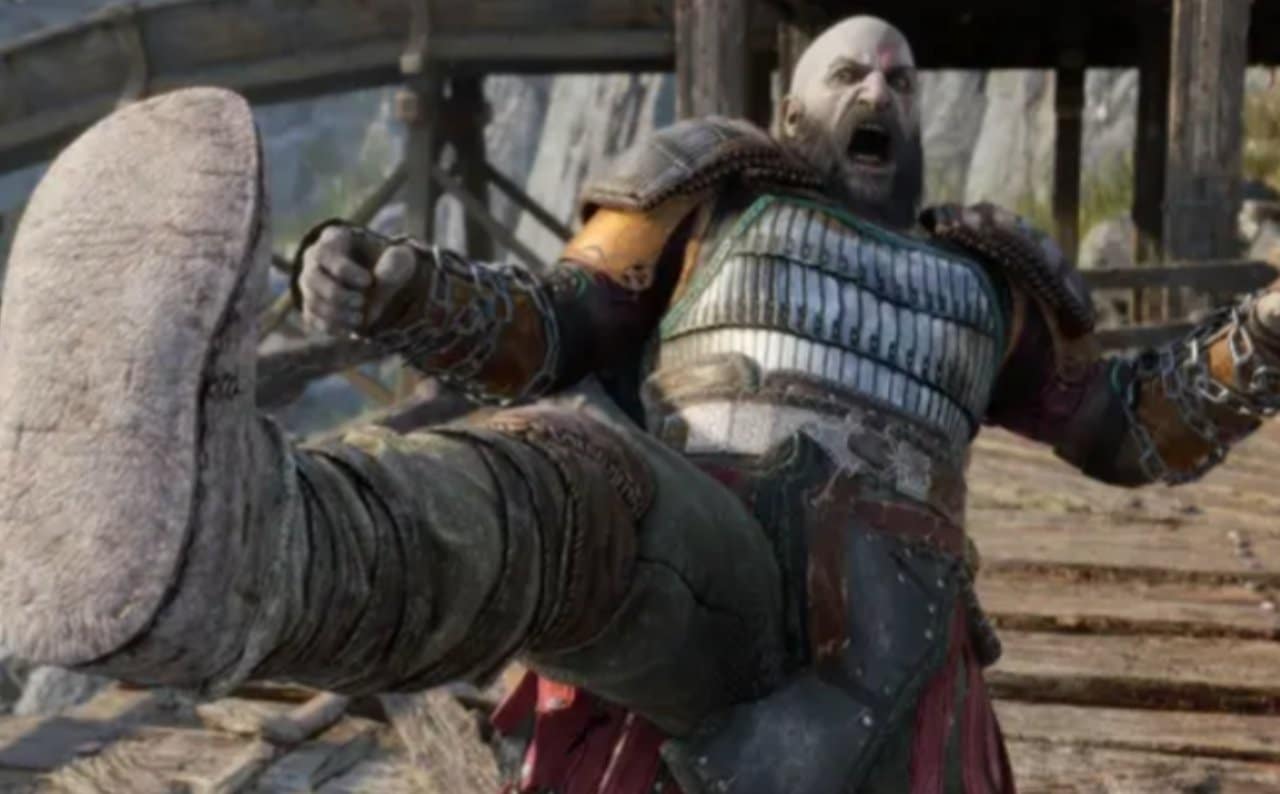
In the original God of War game, Kratos ended up pale because of a simple mistake.
— Pirat_Nation 🔴 (@Pirat_Nation)March 30, 2026
Early concept artist Charlie Wen drew him on plain white paper before adding skin color.
Director David Jaffe saw the unfinished drawing and said it looked “really cool.”pic.twitter.com/IH4m8hfKdr
Behind the scenes of creation: a saga of overcoming
The original concept for *God of War* emerged from a desire to create a game that combined the frenetic action of titles like *Devil David Jaffe, the creative director, had a very specific vision for Kratos and its world, which was both dark and grand. Essa vision, however, would require a herculean effort to translate into pixels and code, especially considering the platform.
The Santa Monica Studio development team was relatively small for the scale of the project, which amplified the need for each member to go beyond their capabilities. The pressure to innovate in terms of combat mechanics, level design, and cinematic presentation was constant. Cada prototype underwent rigorous evaluations and was often remade, adding layers of complexity and time to the already tight schedule, culminating in a production period that spanned several years, exceeding initial expectations.
The human cost of gaming excellence
The term “crunch” refers to a period of prolonged, intensive work that is common in the game development industry before a product is released. In the case of *God of War*, this period was particularly severe and long-lasting, with reports of developers sleeping in the office and sacrificing their personal lives and health in the name of the project. Industry culture often romanticizes this extreme dedication, associating it with passion and success, but the consequences can be devastating.
The impacts of crunch range from physical and mental exhaustion, known as burnout, to more serious health problems and distancing from family and friends. Muitos industry professionals report that, although the end result is an acclaimed game, the process can leave deep scars. The pressure to achieve perfection and competitiveness in the gaming market often leads companies to demand more from their teams than is humanly sustainable, perpetuating a cycle that has been increasingly criticized.
The discussion about crunch in *God of War* and other successful titles, such as *Red Dead Redemption 2* by Rockstar Games or *Cyberpunk 2077* by CD While passion is a powerful driver, sustainability and employee well-being are crucial to the industry’s longevity and continued innovation. Companies are increasingly being asked to adopt more balanced work methodologies and value the mental health of their teams.
Graphics engine innovation and technical obstacles
Developing a game with the scale and detail of *God of War* for the PlayStation 2 represented a remarkable technical feat for the time. The console, launched in 2000, had its limitations, and the Santa Monica Studio team had to be extremely creative to get the most out of its hardware. The game’s graphics engine was built virtually from the ground up, with the intention of enabling vast environments, detailed character models, and stunning visual effects that few games on the platform had achieved.
The implementation of complex combat systems, which allowed Kratos to perform fluid and brutal combos with her Lâminas and Caos, required meticulous programming and animation work. Cada enemy, every movement and every attack needed to be calibrated to offer a fair challenge and a satisfying experience to the player. The physics of objects and interaction with the environment were also points of great investment, aiming for unprecedented immersion.
The technical challenges were not limited to just the visuals or gameplay. Optimizing the code to ensure that the game ran without performance drops, even in scenes with many elements on the screen, was a constant puzzle. The team spent hours refining every line of code and testing extensively to ensure the final experience was flawless. Essa dedication to technical excellence was one of the pillars that allowed *God of War* to stand out in an already saturated market.
The search for visual and narrative perfection
The art direction of *God of War* was fundamental in creating its unique atmosphere, mixing the brutality of war with the grandeur of Greek mythology. Desde from the design of Kratos, from his gray skin and red tattoo, to the colossal bosses and detailed backgrounds of The team extensively studied the iconography and narratives of Grécia Antiga to build an authentic world, but with a dark and original look.
The narrative, which explores themes of revenge, guilt and redemption, was another pillar of the game’s excellence. The story of Kratos, a Spartan warrior haunted by his past and seeking revenge against the gods of Olimpo, resonated deeply with players. The development of the plot involved the creation of complex dramatic arcs and dialogues that added depth to the characters, transforming the game into an experience that went beyond simple hack and slash, consolidating it as a narrative milestone.
Repercussion and legacy of a classic
The release of *God of The game not only sold millions of copies, but also won numerous awards, including Jogo from Ano, setting a new standard for the action-adventure genre and influencing a generation of developers.
The legacy of *God of War* transcended the game itself, giving rise to one of PlayStation’s most important franchises, with sequels, prequels and spin-offs that continued to expand the universe of Kratos. The series has evolved, adapting to new platforms and reinventing its narrative and gameplay approach, but always maintaining the essence of brutality and grandeur that characterized the original. The franchise’s enduring success is a testament to the vision and tireless effort of the development team, despite the difficulties and extreme crunch faced during its creation.
Transformations in development culture
The experience of developing *God of War*, with its years of hard work and intense crunch, generated important debates within the games industry about the sustainability of production practices. Although the game was an undeniable success, the discussion about the well-being of developers has gained momentum over the years. Hoje, there is a growing movement to promote healthier and more balanced work environments, recognizing that creativity and innovation flourish best when professionals are not under excessive and constant pressure.
Although the crunch persists in many studios, awareness of its negative effects has led to gradual changes, with companies seeking more efficient development methodologies and prioritizing the mental health of their teams. The case of *God of



