

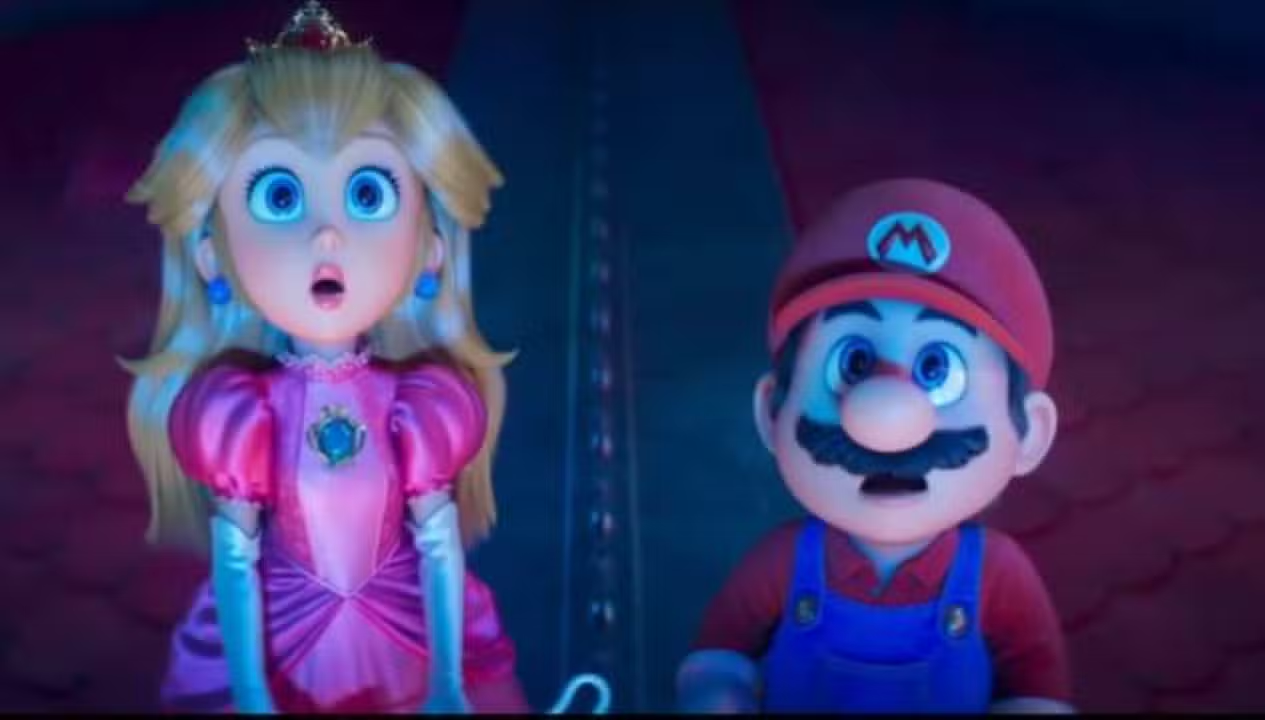
The film Super Mario Galaxy: Filme gained prominence after the premiere held at Japão this week. The animation has two post-credits scenes that viewers must follow until the end. The production adapts the classic 2007 game for Nintendo Wii, with Mario on a space journey to rescue Princesa Peach while collecting Estrelas from Poder in different galaxies.
Chris Pratt returns as Mario, Anya Taylor-Joy plays Princesa Peach and Jack Black returns as Bowser. Brie Larson takes on the character of Rosalina, while Benny Safdie voices Bowser Jr. The story maintains the spirit of cosmic adventure of the original game, with missions that involve defeating bosses and exploring extraterrestrial environments.
- Mario travels across multiple galaxies in search of star power.
- The narrative includes nostalgic elements from the Super Mario franchise.
- The production reinforces the cinematic universe started in previous Nintendo films.
Premiere details and initial reception
The animation hits Brazilian cinemas on April 1, 2026. The premiere at Japão generated anticipation among fans who attended the first sessions. Espectadores who remained in the room confirmed the presence of the two post-credits scenes, both considered relevant to the development of the plot and possible future expansions.
Shigeru Miyamoto, creator of Mario, was present at the premiere and highlighted the inclusion of several familiar characters from the series. Ele encouraged the audience to identify as many nostalgic figures as possible that appear throughout the film. The statement reinforced the production’s commitment to honoring the franchise’s rich history.
Cast and connections to the Nintendo universe
The return of Chris Pratt as Mario maintains continuity with the first film in the series. Anya Taylor-Joy and Jack Black also reprise central roles, which helps cement the identity of the main characters. The inclusion of Brie Larson as Rosalina and Benny Safdie as Bowser Jr. expands the cast with new voices that integrate into the spatial narrative.
The story unfolds far from the Reino of the Cogumelos, focusing on galactic challenges and cosmic explorations. Elementos like collecting stars and clashing against classic enemies preserve the essence of the original game. The production balances action, comedy and adventure to attract both old fans and new generations.
Expectations surrounding post-credits scenes
The two post-credits scenes emerged as one of the main topics after the premiere. Fontes who followed the initial sessions indicate that they serve to connect elements of the main plot with possibilities for continuations. Fãs speculate about teasers that may involve other iconic characters from Nintendo, although specific details remain under wraps so as not to compromise the experience.
The first scene tends to advance direct aspects of the story of Mario and his allies. The second opens up space for ramifications in the larger cinematic universe. Essa strategy follows the model adopted in previous productions, where the final scenes encourage the audience to remain in the room until the credits completely end.
Production and tribute to the 40th anniversary of Super Mario
The animation celebrates aspects of the 40-year history of the Super Mario franchise. The inclusion of multiple well-known characters reinforces the commemorative nature of the project. Miyamoto mentioned the challenge of bringing together familiar and nostalgic figures, which enriches the scenes and creates layers of recognition for the attentive viewer.
Mario’s journey into space maintains the light and dynamic tone characteristic of the games. Missões varied, combat and exploration form the core of the narrative. The visual quality of the animation seeks to translate the colorful and creative environments of the game’s galaxies to cinema screens.
Connection with other Nintendo projects
The presence of post-credits scenes fuels discussions about the future of the Nintendo cinematic universe. Espectadores noted elements that could indicate spin-offs or sequels involving other classic heroes and villains. The production seems to prepare the ground for greater integrations between different franchises without anticipating definitive revelations.
The film arrives at a time of expansion in adaptations of Nintendo games to cinema. The strategy of keeping the exact content of the post-credits scenes secret preserves the element of surprise for the audience that will watch in theaters from April onwards.
Tips for viewers
Anyone going to the cinema should plan to remain in the theater after the main story ends. The two post-credits scenes add value to the experience and deserve attention. The total duration of the session includes the full credits, where surprises appear at different times.
The animation is scheduled to premiere in formats such as RealD 3D and IMAX in several places. Simultaneous launch in multiple countries facilitates global access to content. Fãs who followed the official trailer have already noticed the visual potential of the space sequences.
Technical aspects of animation
The production invests in fluid animation to recreate the movements and environments of the original game. Cores Vibrant, character-true designs help transport audiences to the cosmic setting. The soundtrack and sound effects also seek to echo the light and energetic atmosphere of Super Mario Galaxy.
The plot balances moments of intense action with lighter, humorous sequences. The interaction between Mario, Peach, and other allies forms the emotional heart of the story. Elementos of exploration and puzzle solving appear adapted for cinematographic format.
The film Super Mario Galaxy: Filme has two post-credits scenes that justify staying until the last second of the session. The premiere is scheduled for April 1, 2026 in Brazilian cinemas. The production continues to build the Nintendo universe in cinema with space adventures full of references to the classic franchise.