
Recent behind-the-scenes information from the video game industry indicates that Nintendo is working on the development of a special version of its next console, provisionally called Switch 2. The exclusive model would feature a themed design inspired by the The Legend of Zelda franchise, accompanying the launch of the new hardware on the global market.
Data released by sources linked to the production chain and European developers indicate that the package will include a complete remake of the classic The Legend of Zelda: Ocarina of Time. The original game, released in 1998 for Nintendo 64, would undergo a profound graphical and technical overhaul to demonstrate the processing capacity of the Japanese company’s new system.
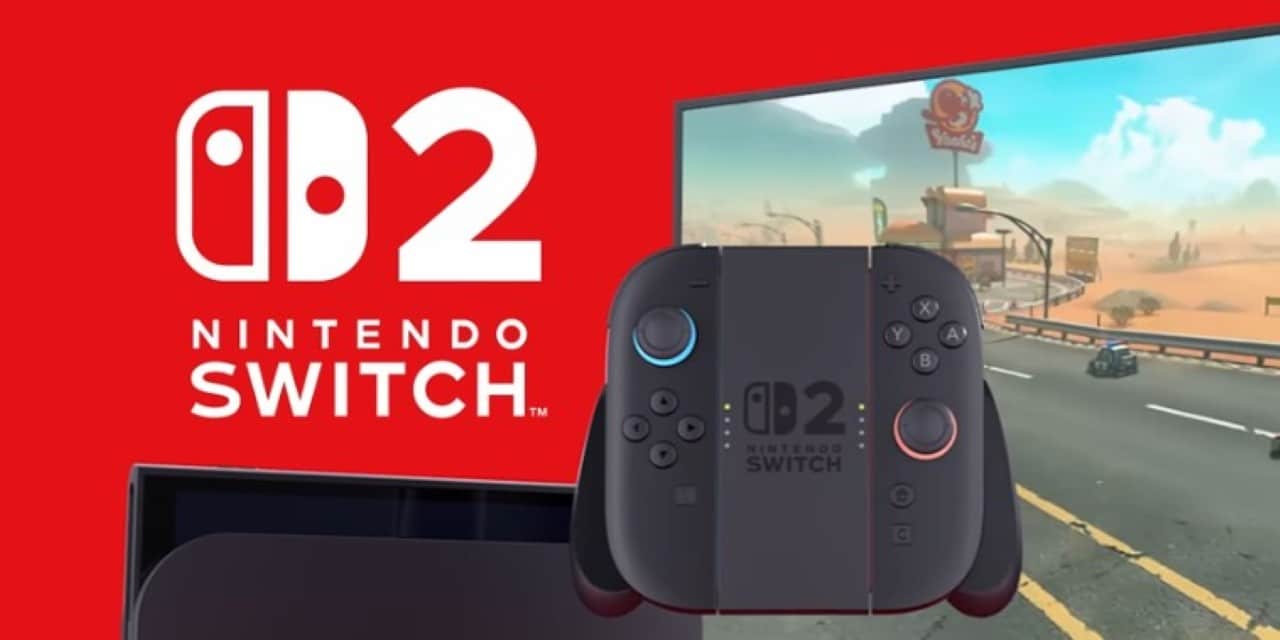
The strategy of combining a limited edition of hardware with one of the company’s most valuable intellectual properties aims to boost initial sales of the device. The device is expected to arrive in stores in the second half of the year, in line with the traditional calendar of major launches in the technology and digital entertainment sector.
History of the manufacturer’s limited editions
The production of consoles with customized visual identity represents a commercial practice established by Nintendo over several platform generations. In the life cycle of the original Switch, the company released several themed versions that recorded high sales figures, including editions based on Animal Crossing: New Horizons, Pokémon Scarlet and Violet, and Super Smash Bros. Ultimate. Esses models usually feature exclusive colors on the Joy-Con controls, illustrations on the charging base and details engraved on the back of the screen, creating a product aimed at both new consumers and collectors of the brand’s items.
The most recent release in this category was the special edition of The Legend of Zelda: Tears of the Kingdom, which quickly sold out at major global retailers shortly after the official announcement. The commercial acceptance of these packages demonstrates the financial viability of maintaining the strategy for the next generation of hardware. By associating Switch 2 with a major franchise right in its debut window, the manufacturer guarantees a robust initial installed base, a fundamental factor in attracting support from partner studios and independent developers in subsequent years.
Technical reformulation of the 1998 classic
The project to recreate The Legend of Zelda: Ocarina of Time meets a historical demand from the Nintendo user base. The original title is frequently listed by review aggregators and industry experts as one of the most influential games in history, responsible for establishing gameplay standards in three-dimensional environments that are used to this day.
The new version of the game is being designed to utilize the updated hardware capabilities of the Switch 2. Isso includes support for higher resolutions, stable frame rates and high definition textures, elements that the current console cannot deliver with the same fluidity in very complex open world titles.
In addition to the visual update, the remake must incorporate adjustments to the user interface and control mechanics, adapting the experience to modern game design standards. The transition from the original Nintendo 64 control to the new peripherals will require a complete reconfiguration of the aiming and camera movement system.
The development of high-budget remakes has become a profitable trend in the video game industry, allowing companies to monetize established intellectual properties while reducing the risks associated with creating entirely new franchises from scratch.
New hardware specifications and design
Although the official technical details of the Switch 2 remain under industrial secrecy, reports from Asian component suppliers suggest a significant leap forward compared to the 2017 model. The device should maintain its hybrid nature, working both connected to televisions and in portable mode, but with a larger screen size and improved display technology.
The themed edition of Zelda will possibly adopt the series’ characteristic color palette, with a predominance of gold, green tones and iconic symbols such as Triforce. The finish of the device and the attachable controls usually receive different materials in these special versions, justifying the higher market value compared to the standard launch model.
The integration of hardware with software is also a point of attention in development. Nintendo has historically used its primary games to demonstrate exclusive features of its consoles, as occurred with the haptic feedback of the Joy-Cons or the touch screen, indicating that the remake of Ocarina of Time may make use of new technologies present in the Switch 2.
Market strategy and positioning
The introduction of a new console to the market requires a catalog of launch games capable of convincing the consumer to make the financial investment. The choice of The Legend of Zelda: Ocarina of Time as the flagship works directly on the affective memory of veteran players, while at the same time presenting a fundamental work for a new generation of users who had no contact with the original release in the 1990s.
The video game industry is going through a period of technological transition, with competitors focusing on raw processing power and subscription services. Nintendo, in turn, maintains the strategy of focusing on the exclusivity of its software and innovation in the way of playing. The special edition of Switch 2 serves as a physical marketing tool, generating organic engagement on social networks and specialized forums through product design.
Software sales dynamics and early adoption
The availability of a major title on the device’s first day of sales changes the dynamics of adoption by consumers. Historicamente, platforms that reach retail accompanied by high-budget games record higher conversion rates in the first weeks of availability.
The business model focused on the combined sale of hardware and primary software guarantees safer profit margins for the developer. The simultaneous launch maximizes advertising efforts, focusing the attention of specialized media and the general public on a single commercial package.
Movements in the supply chain
Preparing for the launch of hardware on a global scale mobilizes a vast network of commercial partners, from semiconductor manufacturers to logistics and distribution companies. Informações from automakers located in Southeast Asia point to an increase in the volume of orders for specific components that differ from the architecture of the current Switch, corroborating the thesis that mass production of the new device has already begun its preliminary phases. Creating a special edition simultaneously with the launch of the standard model adds complexity to the assembly line, requiring strict quality control for customized parts. Analistas of financial markets that follow the shares of Nintendo in Bolsa of Valores of Tóquio observe these logistical movements as primary indicators to project the company’s sales targets for the next fiscal year. The ability to meet initial demand without facing the chip shortages that have affected the industry in previous years will be crucial to the success of the introduction of the Switch 2 and its limited editions onto global shelves.
Manufacturer’s institutional positioning
To date, the headquarters of Nintendo at Kyoto have not issued official statements confirming the existence of Switch 2, the themed edition of Zelda or the remake of Ocarina of Time. The company’s communication policy is characterized by absolute secrecy regarding projects in development, reserving advertising for its own digital broadcasts, known as Nintendo Direct, or for financial reports aimed at shareholders, where hardware transition plans are expected to be detailed in the coming months.
