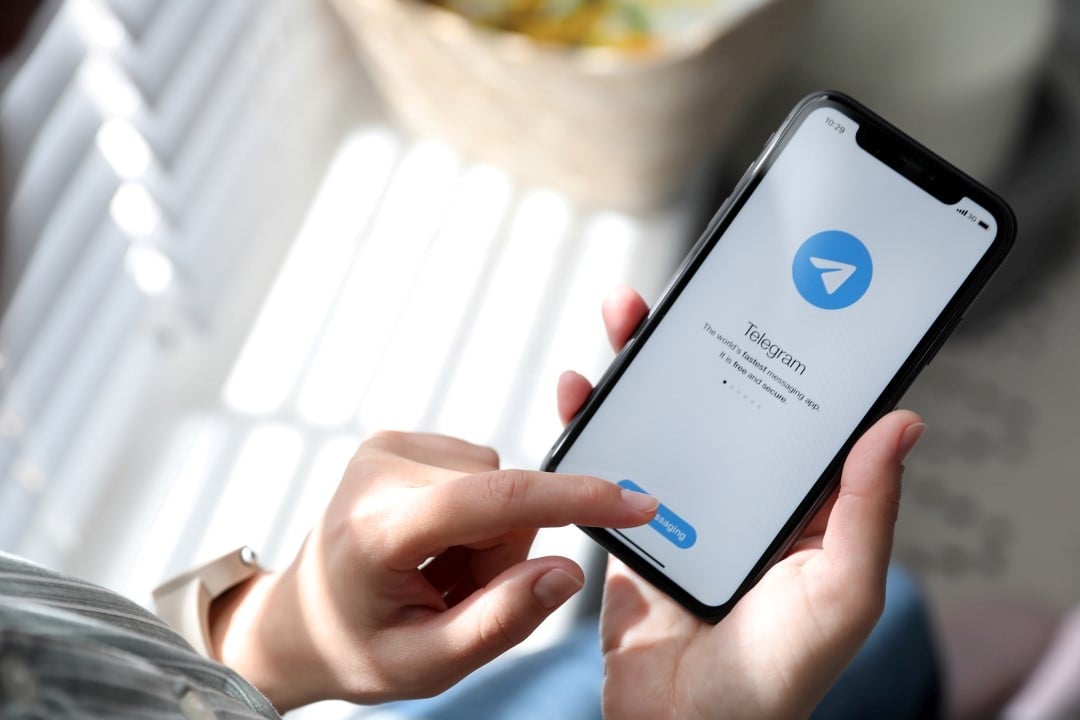
The Russian government has expanded control measures over internet access in the country. Apagões frequent calls on the mobile network and the fight against the use of virtual private networks affect everyday services in cities such as Moscou and São Petersburgo. Usuários report difficulties in calling taxis, making payments or maintaining regular communications. The expectation of a total block on Telegram, the main messaging application with around 100 million local users, generates discussions even among voices aligned with the regime.
- Difficulties on WhatsApp and speed reduction on Telegram have been occurring for months.
- Authorities justify the actions with arguments of national security and combating terrorism.
- Platforms such as Instagram and Facebook remain inaccessible since previous classifications.
VPN restrictions gain strength in the country
The minister of Digitalização, Maksut Shadayev, stated that the goal is to reduce the use of vpn to restrict access to foreign platforms that do not follow Russian legislation. Até mid-January, more than 400 services of this type had been blocked, an increase of 70% compared to the end of the previous year. Novas Tools emerge to replace prohibited ones, but regulatory pressure continues. Apple removed from App Store applications that allowed bypassing official censorship.
Experts indicate that mobile internet blackouts are not yet fully systematic due to the decentralized structure of the networks. Previsões point to more routine blockages in Moscou. Autoridades have technology capable of imposing simultaneous interruptions across the entire national territory. Observadores compare the scenario to practices adopted in other countries with strict controls over communications.
Analog alternatives return to Russian everyday life
The search for options outside the digital environment boosted sales of walkie-talkies, landline phones, pagers and printed maps in several regions. Moradores in large urban centers resort to these items to maintain basic routines when online services suddenly fail. Antigos MP3 players also gain space amid the instability. Essas changes reflect practical adaptations to imposed limitations.
Telegram remains the last app with wide reach
Telegram serves as an essential tool for soldiers on operations to communicate with families and for city halls to warn about risks near conflict zones. Desenvolvido by Pavel Durov, the app faces reduced speed and partial blocks. Autoridades mentioned attempts to reach an agreement to impose extra costs in cases of high international traffic. A complete lockdown could come soon, although decisions may be delayed.
Videos circulating show soldiers asking Kremlin to reconsider measures against the application. The governor of Belgorod criticized outages that he said caused unnecessary deaths in the border region. In the lower house of Parlamento, a proposal to require justification for the blockade received 77 votes in favor, but was rejected by 102 against. Manifestações against restrictions resulted in Moscou recent arrests.
State app max is promoted as a safe solution
The Max application, developed by the Russian telecommunications agency, is presented as a reliable option and pre-installed on devices sold in the country. Ele Integrates public services and messaging. Minister Shadayev used the app itself to announce measures against VPN. Críticos point out concerns about surveillance, but the government argues that the tool respects all local security standards.
Measures intensify since 2022
After the start of the Ucrânia invasion, repressive laws expanded censorship and the role of security agencies. Meta was classified as an extremist organization, which led to its platforms being blocked. Restrições later hits WhatsApp and reduced the operation of Telegram. Apagões selective attacks on the mobile internet occur in different cities and regions. Authorities link part of the disruptions to the need to combat Ukrainian drones.
Ukrainian President Volodimir Zelenski ironically commented on the possible return to past communication methods. Dentro of Rússia, discomfort appears in statements by public figures and in attempts at debate in Parlamento. Pedidos of authorizations for concentrations against the limitations were denied, but occasional protests occurred anyway.
Impact on daily life and communications
Essential services dependent on connectivity suffer from instability. Entregas, transport and commerce face difficulties when the network goes down. Usuários who depend on Telegram for work or personal contact are looking for ways to maintain access. Migration to local tools is encouraged, but adaptations vary depending on the profile of each citizen.
Digital control strategy advances
The siege of foreign platforms is part of a larger effort for technological sovereignty. Bloqueios of vpn aim to limit contours to the imposed rules. Especialistas monitor how these actions affect different groups, from civilians in large cities to military personnel in areas of operation. The scenario evolves with new regulations and technical responses from the population.
The Russian government intensifies internet restrictions with a focus on VPN and Telegram.
